









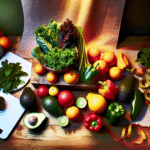
Staying Hydrated: Tips for Weight Loss During the Summer Heat
Are you feeling sluggish as the summer sun beats down? Staying hydrated is crucial, especially when trying to lose weight during these hot months. With the heat rising, your body needs more water to function properly. Not only does hydration help regulate body temperature, but it also aids in digestion and metabolism, making it a key player in your weight loss journey.
In this blog post, we will explore effective hydration tips that can enhance your weight loss efforts. From understanding the importance of water intake to discovering refreshing drinks that quench your thirst, we’ve got you covered. You’ll learn about healthy drinking habits, infused waters, detox drinks, and other strategies to keep you cool and hydrated. Whether you’re hitting the gym or lounging by the pool, knowing how to stay hydrated is essential for fitness and overall health.
Let’s dive into the world of hydration and uncover how you can make the most of your summer while achieving your weight loss goals!
The Importance of Staying Hydrated
Understanding Hydration and Its Role in Weight Loss
Staying hydrated is essential for effective weight loss. Water plays a crucial role in the body’s metabolism, helping to break down fat and carbohydrates. When the body is well-hydrated, it can efficiently process nutrients and eliminate waste. Research indicates that drinking water before meals can reduce appetite, leading to lower calorie intake. Furthermore, hydration supports muscle function and recovery, enhancing workout performance, which is vital for weight loss.
Effects of Dehydration on the Body
Dehydration can have significant negative effects on the body. Even mild dehydration can lead to fatigue, headaches, and dizziness. It can also slow down metabolism, making weight loss more challenging. In severe cases, dehydration can cause heat exhaustion or heat stroke, especially during the hot summer months. This can hinder physical activity, further impacting weight loss efforts.
Why Hydration Is Crucial During Summer Heat
During the summer, the body loses more water through sweat, increasing the risk of dehydration. Staying hydrated helps regulate body temperature and maintain energy levels. It is essential to drink more fluids when temperatures rise, as this supports overall health and aids in weight management. Incorporating hydrating foods like fruits and vegetables can also boost water intake and provide essential nutrients.
Benefits of Hydration for Weight Loss
Boosts Metabolism and Aids Digestion
Staying hydrated is essential for boosting metabolism. When the body is adequately hydrated, it operates more efficiently, leading to an increase in the number of calories burned throughout the day. Hydration also plays a crucial role in digestion; sufficient water intake helps dissolve nutrients, making them easier for the body to absorb. Research indicates that drinking water can increase metabolic rate by 30% for about 30-40 minutes, enhancing energy expenditure (Maughan et al., 2012).
Reduces Appetite and Calorie Intake
Drinking water before meals can significantly reduce appetite. Studies show that individuals who consume water before eating tend to eat fewer calories overall, aiding in weight loss. A study published in the journal Obesity found that participants who drank 500 ml of water before meals consumed less food and lost more weight compared to those who did not (Davy et al., 2008). This simple strategy makes hydration a powerful tool for those looking to control their calorie intake.
Enhances Physical Performance and Energy Levels
Proper hydration is vital for optimal physical performance. Dehydration can lead to fatigue, reduced endurance, and decreased strength, which can hinder workouts and daily activities. Staying hydrated ensures that muscles function correctly and that energy levels remain high. A study in the journal Sports Medicine highlights that even mild dehydration can negatively impact exercise performance (Sawka et al., 2007). Therefore, drinking enough water can enhance workout efficiency and promote weight loss.
How Much Water Do You Really Need?
Daily Water Intake Recommendations
The general guideline for daily water intake is about 64 ounces or 8 cups of water. However, this can vary based on individual needs. The Institute of Medicine suggests that men should aim for about 3.7 liters (or approximately 125 ounces) and women around 2.7 liters (about 91 ounces) daily, including all beverages and food. Staying hydrated is crucial, especially in summer heat.
Factors Affecting Individual Hydration Needs
- Age: Older adults may require more water due to decreased kidney function and thirst sensation.
- Activity Level: Those who exercise or engage in physical labor need additional fluids to replace water lost through sweat.
- Climate: Hot and humid weather increases sweating, raising hydration needs significantly.
Signs of Dehydration to Watch Out For
Recognizing the signs of dehydration is essential for maintaining health. Common symptoms include:
- Dry mouth and throat
- Dark yellow urine
- Fatigue and dizziness
- Headaches
If these symptoms occur, increase fluid intake immediately. Maintaining proper hydration is vital, particularly during warmer months.
Best Sources of Hydration Beyond Water
Fruits and Vegetables with High Water Content
Fruits and vegetables are excellent sources of hydration due to their high water content. For example, watermelon contains about 92% water, making it a refreshing choice during hot days. Other hydrating options include cucumbers (about 95% water), strawberries (91%), and cantaloupe (89%). Including these in your diet not only helps with hydration but also provides essential vitamins and minerals for overall health.
Hydrating Beverages: Herbal Teas
Herbal teas are another fantastic option to stay hydrated. They come in various flavors and can be enjoyed hot or cold. Chamomile and peppermint teas are popular choices that provide hydration without added calories. Drinking herbal teas can also offer additional health benefits, such as improved digestion and relaxation.
Coconut Water and Low-Calorie Flavored Water Options
Coconut water is a natural electrolyte-rich beverage that hydrates effectively. It contains potassium and magnesium, making it an excellent choice post-exercise. Additionally, low-calorie flavored water options are available in stores that provide taste without the extra calories. Look for brands that use natural flavors and avoid added sugars. These drinks can make hydration more enjoyable while supporting weight loss efforts.
| Food/Beverage | Water Content (%) | Benefits |
|---|---|---|
| Watermelon | 92 | Rich in vitamins A and C |
| Cucumber | 95 | Low in calories, high in fiber |
| Coconut Water | 94 | Electrolyte-rich, great for hydration |
Incorporating these foods and beverages into your summer routine can significantly enhance hydration levels while supporting weight loss goals. Enjoying a variety of hydrating options can keep you refreshed and energized throughout the hot months.
Top Tips for Staying Hydrated in Summer
Carry a Water Bottle When Outdoors
Keeping a water bottle with you while outdoors is essential during the hot summer months. It serves as a constant reminder to drink water regularly, helping to maintain hydration. Choose a stylish or functional bottle that suits your lifestyle, making it more likely you’ll take it along. Consider options made from stainless steel, which can keep drinks cool longer, or opt for BPA-free plastic for lightweight convenience.
Set Reminders to Drink Water
Setting reminders on your smartphone or using a hydration app can be incredibly effective for staying hydrated. These notifications can prompt you to drink water at regular intervals throughout the day. Aim for at least eight glasses, or adjust based on physical activity and heat exposure. This habit helps you stay mindful of your hydration needs, especially when you’re busy or distracted.
Infuse Water with Fruits for Added Flavor
Adding fruits to your water is a delicious way to enhance hydration. Popular choices include lemons, limes, berries, and cucumbers. Infusing water with these ingredients not only improves the taste but also provides vitamins and antioxidants. Prepare infused water in advance by combining your favorite fruits in a pitcher overnight; this allows the flavors to meld beautifully.
| Fruit | Benefits |
|---|---|
| Lemon | Vitamin C, aids digestion |
| Berry Mix | Antioxidants, boosts immunity |
| Cucumber | Hydrating, low calories |
Incorporating these tips into your daily routine can significantly improve hydration levels and support weight loss efforts during the summer heat. Staying hydrated not only helps in maintaining energy and focus but also enhances overall health.
Hydration Strategies During Exercise
Importance of Pre-, During-, and Post-Workout Hydration
Staying hydrated is crucial for optimizing performance during exercise. Pre-workout hydration ensures that the body starts with adequate fluid levels, enhancing stamina and focus. Aim to drink about 16-20 ounces of water at least two hours before exercising.
During workouts, especially in summer heat, sip on water or electrolyte drinks every 15-20 minutes to replace fluids lost through sweat. Post-workout hydration helps in recovery, replenishing lost fluids and aiding in muscle repair.
Electrolyte Balance and Rehydration
Electrolytes, such as sodium and potassium, play a vital role in maintaining fluid balance. They help prevent cramps and fatigue during intense workouts. Consuming beverages with electrolytes can be beneficial, particularly for prolonged exercises or those lasting over an hour. Monitoring signs of dehydration, like dark urine or dizziness, can guide rehydration efforts effectively.
Choosing the Right Sports Drinks
Not all sports drinks are created equal. Look for drinks that contain electrolytes and are low in sugar. Popular options include those with a ratio of carbohydrates to electrolytes that match your activity level. Always read labels to ensure you’re selecting a drink that supports your hydration needs without unnecessary additives.
| Fluid Type | Best For | Key Ingredients |
|---|---|---|
| Water | Short workouts | N/A |
| Electrolyte Drinks | Long workouts | Sodium, Potassium |
| Sports Drinks | Intense training | Carbs, Electrolytes |
Common Hydration Mistakes to Avoid
Relying Solely on Thirst Signals
Many people assume that thirst is a reliable indicator of hydration needs. However, waiting until you feel thirsty can lead to dehydration, especially in hot weather. As temperatures rise, your body loses more fluids through sweat, and by the time you feel thirsty, you may already be dehydrated. A better approach is to drink water regularly throughout the day, even if you don’t feel thirsty. This proactive method helps maintain optimal hydration levels.
Ignoring Hydration During Meals
Another common mistake is neglecting to hydrate during meals. Drinking water with your meals not only aids in digestion but also helps regulate your appetite. Studies show that consuming water before or during meals can lead to reduced calorie intake, supporting weight loss efforts. Aim to drink a glass of water with each meal to enhance hydration and support healthy eating habits.
Overconsumption of Caffeinated Drinks
While drinks like coffee and tea can contribute to your daily fluid intake, overconsumption of caffeinated beverages may lead to increased urination, potentially causing dehydration. It’s important to balance caffeinated drinks with plenty of water. Limit caffeine intake, especially during the summer months when hydration is crucial. Opt for herbal teas or infused waters as alternatives to keep hydration levels up without excessive caffeine.
| Mistake | Consequence | Solution |
|---|---|---|
| Relying solely on thirst | Dehydration | Drink water regularly |
| Ignoring hydration during meals | Poor digestion | Drink water with meals |
| Overconsuming caffeine | Increased urination | Balance with water |
Keeping Kids Hydrated in Summer
Importance of Hydration for Children
Proper hydration is crucial for children, especially during hot summer months. Kids tend to lose a lot of fluids through sweat, making it essential to replenish their water levels. Dehydration can lead to fatigue, headaches, and difficulty concentrating, all of which can affect their play and learning experiences. According to the Centers for Disease Control and Prevention (CDC), staying hydrated helps maintain energy levels, supports healthy digestion, and regulates body temperature.
Fun Ways to Encourage Kids to Drink Water
Making hydration fun can motivate kids to drink more water. Here are some creative ideas:
- Colorful Water Bottles: Allow kids to choose their favorite bottles. Bright colors or fun designs make them excited to drink.
- Infused Water: Adding fruits like strawberries, lemons, or cucumbers can make water more appealing.
- Water Challenges: Set daily goals for water intake and reward kids when they meet them.
Monitoring Hydration During Outdoor Activities
When kids are playing outside, monitoring their hydration is vital. Parents should encourage regular breaks for water. A good rule of thumb is to have kids drink water every 20-30 minutes during active play. Signs of dehydration include dry lips, irritability, or decreased energy levels. Keeping an eye out for these signs ensures that kids stay hydrated and enjoy their summer activities safely.
Debunking Common Myths About Hydration
Myth: Drinking More Water Will Not Help with Weight Loss
Many people believe that increasing water intake has no impact on weight loss. However, studies have shown that drinking water can boost metabolism and help reduce appetite. Water consumption aids digestion and can replace high-calorie beverages, leading to fewer calories consumed overall. A study by the Journal of Clinical Endocrinology & Metabolism found that drinking about half a liter of water increased metabolic rates by approximately 30% for about 30-40 minutes.
Myth: All Fluids Are Equally Hydrating
Not all beverages hydrate equally. While water is the best choice for hydration, drinks like sugary sodas or caffeinated beverages can actually lead to dehydration due to their diuretic effects. According to the American Journal of Clinical Nutrition, beverages with high sugar content can draw water out of cells, making hydration less effective. Therefore, relying on these drinks can be counterproductive if you’re trying to stay hydrated.
Myth: You Should Drink Eight Glasses of Water a Day
The common guideline of drinking eight glasses (about two liters) of water daily is not universally applicable. Individual hydration needs vary based on factors like activity level, age, and climate. The National Academies of Sciences suggests an adequate intake of about 3.7 liters for men and 2.7 liters for women, including all fluids consumed. Listening to your body’s thirst signals is crucial for maintaining proper hydration.
| Myth | Truth |
|---|---|
| Drinking more water does not aid weight loss. | Water can boost metabolism and reduce hunger. |
| All fluids hydrate equally. | Water is the most effective hydrator; sugary drinks can dehydrate. |
| Everyone should drink eight glasses a day. | Hydration needs vary; listen to your body. |
Conclusion
Staying hydrated is crucial for effective weight loss, especially during the summer heat. Proper hydration supports metabolic processes and helps control appetite, making it easier to maintain a healthy diet. The benefits of hydration extend beyond just drinking water; incorporating fruits and vegetables like watermelon and cucumbers can enhance fluid intake. Aim for at least 8-10 cups of water daily, adjusting for activity levels and climate.
When exercising, it’s vital to plan hydration strategies, such as consuming electrolyte-rich beverages after intense workouts. Avoid common mistakes like waiting until you’re thirsty to drink, as this can lead to dehydration. Furthermore, ensuring kids stay hydrated is essential, particularly during outdoor play.
By debunking myths about hydration, we can focus on practical tips like carrying a reusable water bottle, setting reminders, and enjoying hydrating snacks. Prioritizing hydration not only aids in weight loss but also boosts energy levels and overall health. Embrace these strategies to thrive during the warm months ahead!