











Sunlight is one of the most fundamental forces shaping life on Earth. From regulating our sleep cycles to boosting mood and supporting bone strength, exposure to the sun influences nearly every system in the human body. Yet in an era of indoor jobs, screen-heavy lifestyles, and heightened skin cancer awareness, many people either get too little sunlight or too much. Understanding how the sun affects health can help you strike the right balance and use its benefits wisely.
Why Sunlight Matters for Human Health
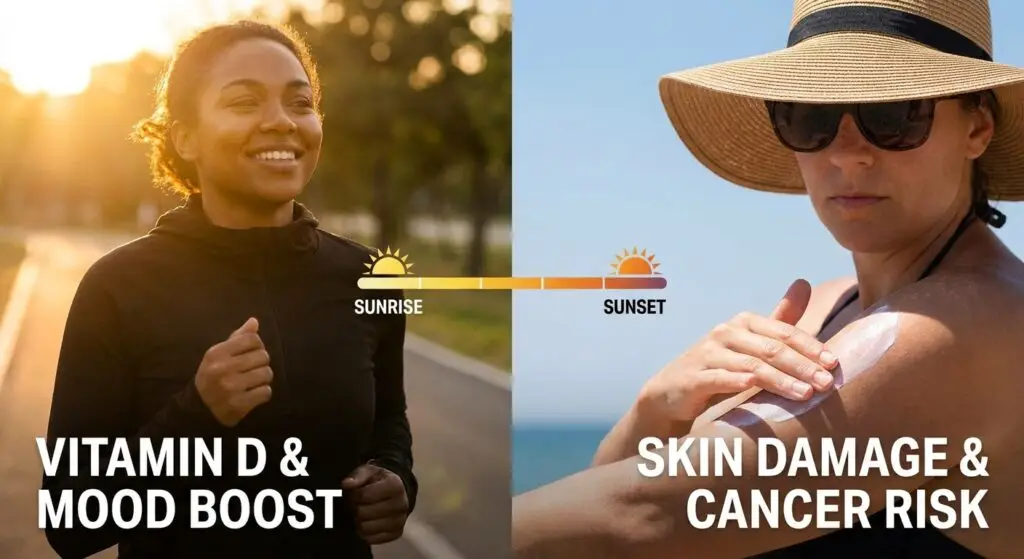
Long before modern medicine, ancient civilizations recognized the healing power of the sun. The Greeks practiced heliotherapy, and traditional healers across cultures used sunlight to treat wounds, skin conditions, and low energy. Today, science confirms much of what those early practitioners intuited: sunlight is not just about warmth or light—it plays an active role in regulating human biology.
When ultraviolet (UV) and visible light rays reach the skin and eyes, they trigger a cascade of biochemical reactions that influence hormones, mood, metabolism, and even immune function. According to the World Health Organization’s guidance on UV radiation, small amounts of UV are essential for good health, but excessive exposure carries serious risks.
The Key Health Benefits of Sunlight
1. Vitamin D Production
Perhaps the most well-known benefit of sunlight is its role in producing vitamin D. When UVB rays hit the skin, they convert a form of cholesterol into vitamin D3, which the liver and kidneys then activate.
Vitamin D is essential for:
- Strong bones and teeth (it helps absorb calcium)
- Muscle function
- Immune system regulation
- Reducing inflammation
Example: A person who spends 10–20 minutes in midday sun a few times a week (with arms and legs exposed) can often meet a significant portion of their vitamin D needs—though this varies by skin tone, latitude, and season.
2. Improved Mood and Mental Health
Sunlight boosts the brain’s production of serotonin, a neurotransmitter linked to feelings of well-being and calm. This is one reason people often feel happier and more energetic on sunny days.
Reduced sun exposure, particularly in winter, contributes to Seasonal Affective Disorder (SAD)—a form of depression tied to shorter days. Light therapy, which mimics natural sunlight, is a common and effective treatment.
3. Better Sleep and Circadian Rhythm
Morning sunlight is a powerful cue for your body’s internal clock. Exposure to natural light in the early hours helps regulate melatonin production later in the evening, leading to:
- Faster sleep onset
- Deeper, more restorative sleep
- More consistent energy during the day
Example: Shift workers or people who rarely go outside often struggle with insomnia. Simply stepping outside for 10–15 minutes shortly after waking can significantly improve sleep quality within a few weeks.
4. Cardiovascular Benefits
Emerging research suggests sunlight may lower blood pressure. When UVA rays touch the skin, they trigger the release of nitric oxide, a molecule that helps blood vessels relax and widen. This effect appears to be independent of vitamin D and may partly explain why heart disease rates tend to be higher in regions with less sunlight.
5. Skin Condition Improvement
Controlled sun exposure or medical phototherapy can help conditions such as:
- Psoriasis
- Eczema
- Vitiligo
- Acne
Dermatologists sometimes use narrow-band UVB therapy to treat chronic skin diseases with measurable success.
6. Immune System Support
Sunlight influences immune cells directly. Adequate vitamin D levels are linked to lower risks of respiratory infections, autoimmune diseases, and even some cancers. Sun exposure may also help energize T cells, which play a crucial role in fighting off pathogens.
The Risks of Too Much Sunlight
While sunlight has many benefits, excessive or unprotected exposure carries real risks. UV radiation is classified as a known human carcinogen, and overexposure can cause both short- and long-term damage.
1. Skin Cancer
The most serious risk of excessive sun exposure is skin cancer, including:
- Basal cell carcinoma
- Squamous cell carcinoma
- Melanoma (the most aggressive form)
Repeated sunburns, especially in childhood, dramatically increase melanoma risk later in life.
2. Premature Skin Aging
UV rays break down collagen and elastin in the skin, leading to wrinkles, sagging, age spots, and uneven pigmentation. Dermatologists estimate that up to 80–90% of visible skin aging is caused by sun exposure rather than the natural aging process.
3. Eye Damage
Too much UV exposure can contribute to:
- Cataracts
- Macular degeneration
- Photokeratitis (a sunburn of the cornea)
- Growths on the eye such as pterygium
4. Heat-Related Illnesses
Prolonged sun exposure without hydration or shade can lead to heat exhaustion, heatstroke, and dehydration, which can be life-threatening if untreated.
5. Immune Suppression
Ironically, while moderate sunlight supports the immune system, excessive UV exposure can suppress certain immune responses in the skin, making it easier for infections to take hold and reducing the body’s ability to detect abnormal cells.
How Much Sun Is Enough?
There is no one-size-fits-all recommendation, but general guidelines can help you get benefits without unnecessary risk.
Factors That Affect Your Needs
- Skin tone: People with darker skin need more sun exposure to produce the same amount of vitamin D as lighter-skinned individuals.
- Geographic location: Those living far from the equator receive weaker UVB rays, especially in winter.
- Age: Older adults produce vitamin D less efficiently.
- Time of day: UVB rays are strongest between 10 a.m. and 3 p.m.
- Clothing and sunscreen: Both reduce UV exposure.
General Guidance
For most people:
- 10 to 30 minutes of midday sun several times a week on the arms, legs, or back (without sunscreen) is often enough for vitamin D.
- Fair-skinned individuals may need less; darker-skinned individuals may need more.
- Always avoid burning—even brief sunburns increase long-term risk.
Practical Tips for Healthy Sun Habits
Get Morning Light Daily
Aim for 10–20 minutes of outdoor light within an hour of waking. This supports circadian rhythm and mood without significant UV risk.
Use the “Shadow Rule”
If your shadow is shorter than your height, UV rays are strong. This is a helpful cue to seek shade or apply protection.
Practice Smart Sun Protection
When spending extended time outdoors:
- Wear a broad-spectrum sunscreen (SPF 30 or higher)
- Reapply every two hours or after swimming
- Use hats, sunglasses, and lightweight protective clothing
- Seek shade during peak UV hours
Monitor Vitamin D Levels
If you rarely spend time outside, live in a northern climate, or have darker skin, consider a vitamin D blood test. Supplements can help maintain healthy levels safely. You may also explore complementary approaches such as natural supplements and essential oils that support overall wellness alongside adequate sun exposure.
Balance Sunlight With Nutrition
Support your skin and overall health with foods rich in:
- Antioxidants (berries, leafy greens, nuts)
- Omega-3s (fatty fish, flaxseeds)
- Vitamin D (fortified dairy, egg yolks, salmon)
Special Considerations
Children
Children benefit greatly from outdoor play and sunlight for bone development and vision. However, their skin is more sensitive, so sun protection is especially important during peak hours.
Older Adults
Aging reduces the skin’s ability to produce vitamin D. Older adults may benefit from short daily sun exposure plus dietary or supplemental vitamin D.
People With Certain Medical Conditions
Some medications (like certain antibiotics, diuretics, and acne treatments) increase sun sensitivity. Individuals with lupus, rosacea, or a history of skin cancer should consult a doctor about safe sun practices.
Conclusion
Sunlight is a powerful ally for human health when used wisely. It builds strong bones, lifts mood, improves sleep, supports heart health, and strengthens the immune system. Yet unprotected or excessive exposure carries real dangers, including skin cancer, premature aging, and eye damage.
The goal is not to avoid the sun entirely or to bask in it recklessly, but to build a balanced relationship with it. Step outside in the morning, get moderate midday exposure suited to your skin type, and protect yourself during long outdoor activities. With mindful habits, you can enjoy the many health benefits of sunlight while minimizing its risks—embracing one of nature’s simplest and most rewarding gifts.