









Fresh juice is one of the most beloved rituals in natural health. A tall glass of green juice in the morning feels like drinking a garden. Juice cleanses, three-day or week-long plans of nothing but bottled juice, are sold as a way to reset, detox, and kickstart healthy habits.
But a study from Northwestern University raises an important question: what happens to the trillions of bacteria living in our mouths and guts when we drink our fruits and vegetables instead of eating them? The answer is a useful lesson for anyone who loves juicing.
Key Takeaways
- Juicing removes most of the fiber from fruits and vegetables.
- In a 2025 Northwestern study, three days of a juice-only diet increased mouth and gut bacteria associated with inflammation.
- People eating whole plant foods for the same three days had the most favorable bacterial changes.
- Whole fruit is linked with a lower risk of type 2 diabetes, while fruit juice has been linked with a higher risk.
- Blending instead of juicing, favoring vegetables over fruit, and pairing juice with meals are simple fixes.
The Study
Researchers led by Dr. Melinda Ring, director of Northwestern’s Osher Center for Integrative Health, and first author Maria Luisa Savo Sardaro recruited healthy adults and assigned them to one of three three-day diets:
- Juice only, using commercially available cold-pressed juices
- Juice plus whole foods
- Whole plant-based foods only
The team collected saliva, cheek swabs, and stool before, during, and after the diets and analyzed the bacteria using genetic sequencing. The results were published in the journal Nutrients.
What Happened in Just Three Days
| Diet | Microbiome changes |
|---|---|
| Juice only | Biggest rise in bacteria linked to inflammation and a leaky gut lining. Mouth bacteria shifted quickly toward inflammation-associated groups. |
| Juice + whole foods | Some unfavorable shifts, but milder |
| Whole plant foods | Most favorable changes |
Source: Savo Sardaro et al., Nutrients, 2025.
Interestingly, the biggest changes appeared in the mouth, where bacteria from a group called Firmicutes fell and Proteobacteria, often associated with inflammation, rose. The gut bacteria were more stable over three days, but still showed concerning trends in the juice-only group.
This was a small, short study, and it did not measure long-term health effects. But it offers a clear signal about what happens when fiber disappears from the diet.
Why Fiber Makes the Difference
When you push produce through a juicer, the pulp that gets thrown away contains most of the fiber. That fiber is food for beneficial bacteria, which ferment it into anti-inflammatory compounds such as butyrate. Remove the fiber and feed in a steady stream of natural sugars, and sugar-loving microbes gain the upper hand.
Fiber also slows the absorption of sugar. Without it, juice can cause sharper spikes in blood sugar than the same fruit eaten whole. A large Harvard study published in the BMJ in 2013 followed nearly 190,000 adults and found that eating more whole fruits, especially blueberries, grapes, and apples, was linked with a lower risk of type 2 diabetes, while drinking more fruit juice was linked with a higher risk.
For a deeper look at why fiber matters, read our article on the fibermaxxing trend and the science of fiber.
Other Juice Cleanse Concerns
- Low protein. Juice cleanses provide little protein, which can lead to muscle loss, hunger, and fatigue.
- Oxalates. Large amounts of green juice made from spinach, beets, and chard are very high in oxalates. Doctors have reported rare cases of kidney damage from oxalate overload in people doing intensive juice cleanses.
- Potassium overload. People with kidney disease can be harmed by the high potassium in vegetable juices.
- Medication interactions. Grapefruit juice affects many drugs, and large amounts of leafy-green juice can interfere with blood thinners like warfarin.
- The “detox” myth. Your liver and kidneys detoxify continuously. There is no evidence a juice cleanse helps them work better.
How to Enjoy Juice the Healthy Way
- Blend instead of juice. Smoothies keep all the fiber. The Northwestern researchers recommend this swap.
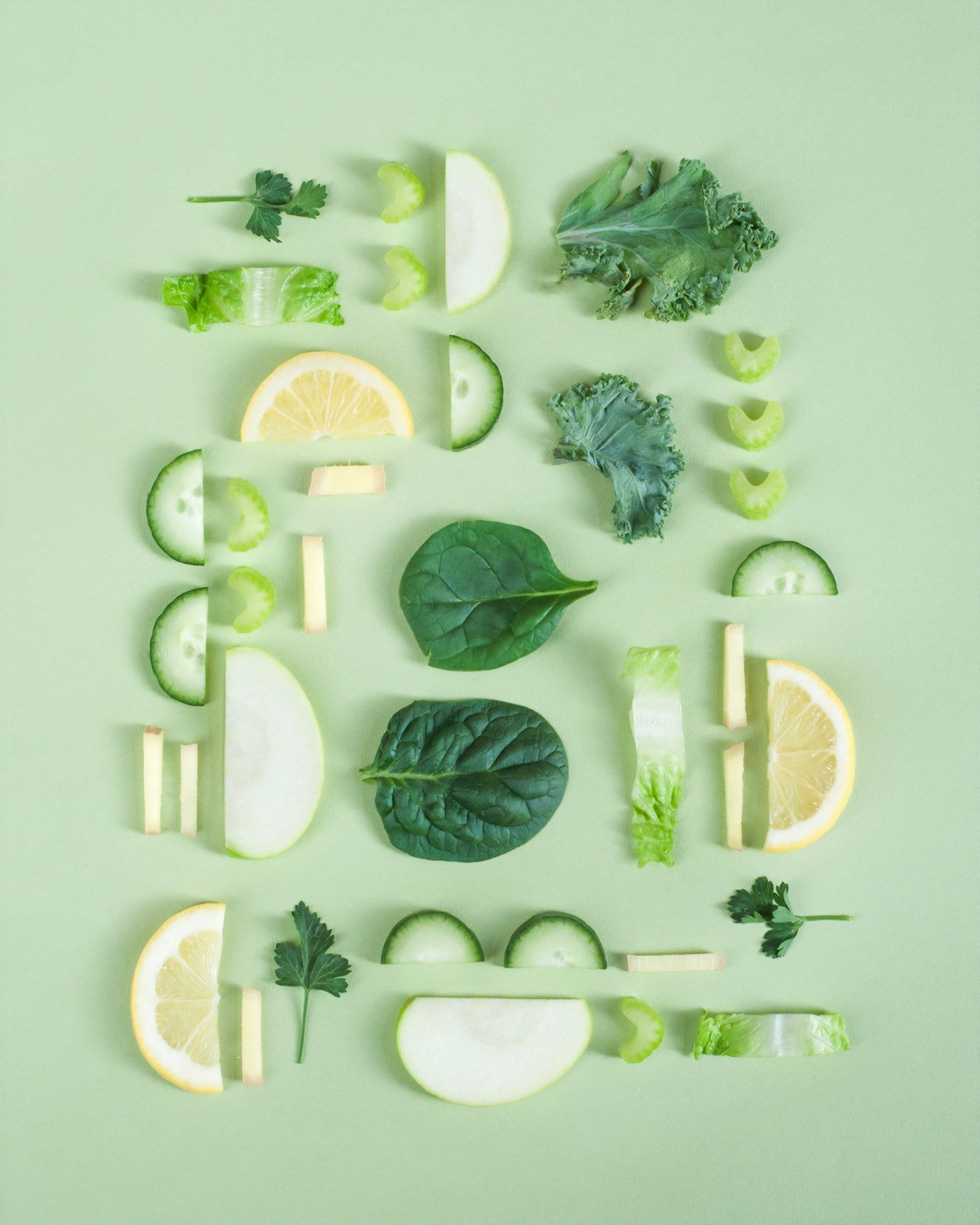
- Go heavy on vegetables. Aim for mostly vegetables like cucumber, celery, and leafy greens, with a small amount of fruit for flavor.
- Pair juice with a meal that contains protein and fiber, rather than replacing meals with it.
- Keep portions modest. A small glass, about 4 to 8 ounces, is plenty.
- Add the pulp back. Stir some into the juice, or use it in muffins, soups, or veggie burgers.
- Skip extended cleanses. Use juice as a supplement to a whole-food diet, not a substitute for it.
Want recipes? Our ginger and turmeric shots and budget juicing tips are great places to start. Pair them with fiber-rich meals for the best of both worlds.
The Bottom Line
Fresh juice can be a delicious way to enjoy fruits and vegetables, but drinking only juice, even for a few days, strips away the fiber your microbiome depends on. The Northwestern study suggests whole plant foods are the gold standard, and juice works best as a companion to them. Blend more, juice smart, and keep eating your produce whole.
Frequently Asked Questions
Is cold-pressed juice healthier?
Cold-pressed juices may keep slightly more of some vitamins, but they still lack most of the fiber.
Are smoothies always better?
They keep the fiber, but portion size still matters. Smoothies loaded with fruit, juice, honey, or sweetened yogurt can pack a lot of sugar and calories.
Can juice help me get more vitamins?
Yes, juice can supply vitamins and plant compounds. It works best as an addition to a varied diet.
Is a one-day juice cleanse harmful?
For most healthy people, one day is unlikely to cause harm. But there is no evidence it detoxifies the body, and the research suggests whole foods are better for your microbiome.
Sources
- Northwestern University. Juicing may harm your health in just three days, new study finds. February 2025.
- Muraki I, Imamura F, Manson JE, et al. Fruit consumption and risk of type 2 diabetes: results from three prospective longitudinal cohort studies. BMJ, 2013.
- Getting JE, Gregoire JR, Phul A, Kasten MJ. Oxalate nephropathy due to “juicing”: case report and review. American Journal of Medicine, 2013.
This article is for educational purposes and is not medical advice. Talk to your doctor before starting a cleanse, especially if you have kidney disease, diabetes, or take medications.





