











If you are a man over 50 who gets up two or three times a night to urinate, you are in very good company. An enlarged prostate, known medically as benign prostatic hyperplasia (BPH), affects about half of men in their 50s and up to 90% of men in their 80s. Walk into any supplement aisle and you will find shelves of “prostate support” formulas, almost all built around one ingredient: saw palmetto.
Saw palmetto is one of the most popular herbal supplements in the world, and it is frequently recommended in men’s health groups online. So how well does it actually work? The best available answer comes from a large Cochrane review, and it is not what the labels suggest.
Key Takeaways
- BPH is a non-cancerous enlargement of the prostate that can squeeze the urethra and cause bothersome urinary symptoms.
- A 2023 Cochrane review of 27 randomized trials with 4,656 participants found saw palmetto did not meaningfully improve urinary symptoms compared with placebo.
- The good news: it was also very safe, with side effects similar to placebo.
- Lifestyle changes, pelvic floor training, and proven medications can make a real difference.
- New or changing urinary symptoms should always be checked by a doctor to rule out other conditions, including prostate cancer.
What Is Saw Palmetto?
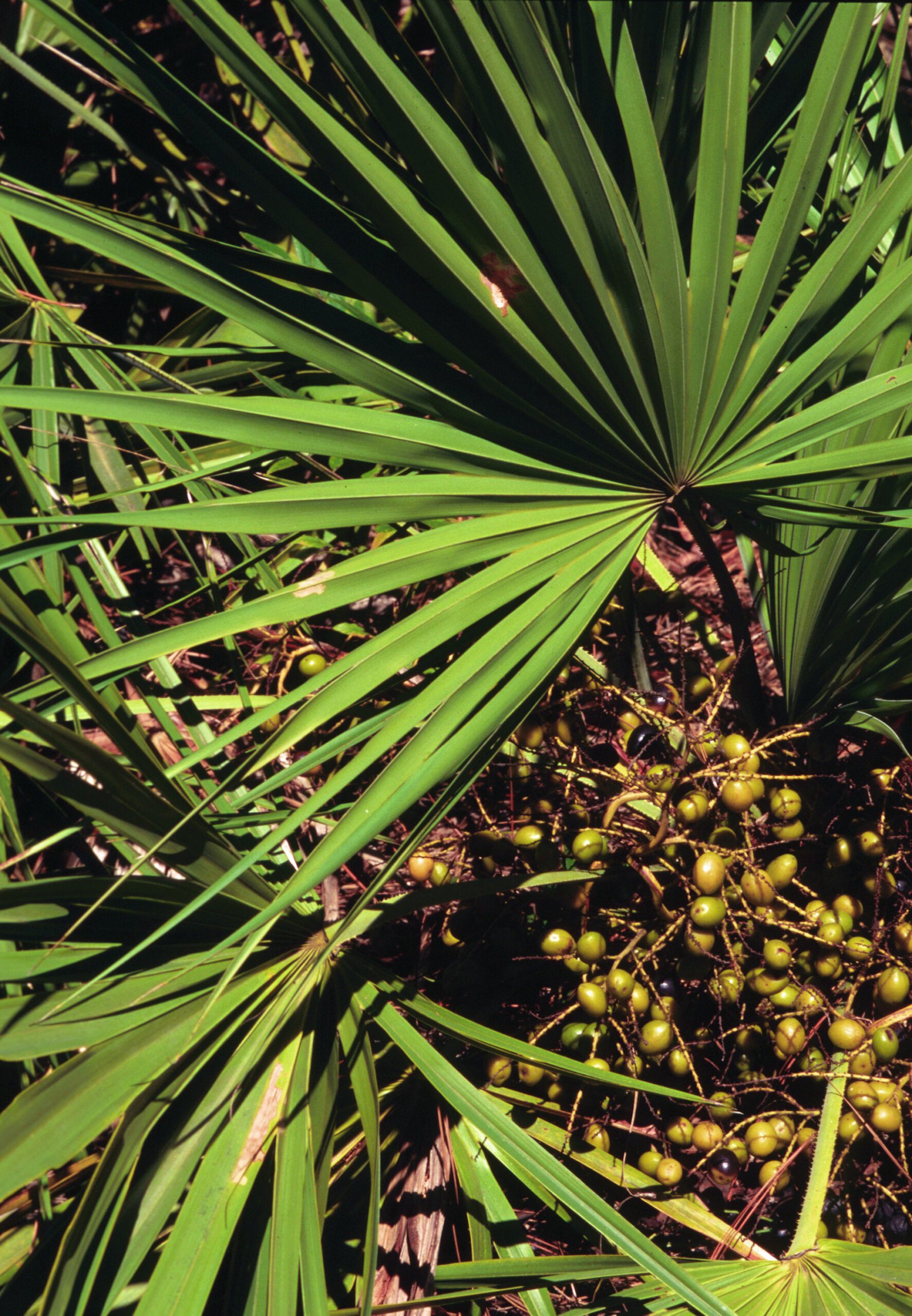
Saw palmetto (Serenoa repens) is a low-growing fan palm native to the southeastern United States, especially Florida. Its dark berries were eaten by Native Americans and used in traditional remedies for urinary and reproductive issues. By the early 1900s, American doctors were prescribing saw palmetto preparations for prostate complaints, and today it is widely used across Europe and North America.
The theory behind it
Prostate growth is driven partly by a potent form of testosterone called dihydrotestosterone (DHT). The enzyme that makes DHT, 5-alpha reductase, is the target of prescription drugs such as finasteride. Lab studies suggest saw palmetto extract may weakly block this enzyme and reduce inflammation in prostate tissue. That gave the herb a scientifically plausible basis, which is why it has been studied so extensively.
What the Research Shows
Cochrane reviews are considered among the most rigorous summaries in medicine. They gather every high-quality trial on a question and analyze them together. The 2023 update on saw palmetto, led by Dr. Juan Víctor Ariel Franco, included 27 randomized controlled trials involving 4,656 participants, with follow-up ranging from a few months to more than a year.
Saw Palmetto vs. Placebo: Cochrane Findings
| Outcome | Result |
|---|---|
| Urinary symptoms at 3 to 6 months | Little or no difference, below what men would notice |
| Urinary symptoms at 12 to 17 months | No meaningful improvement |
| Quality of life | No improvement |
| Combination “prostate” formulas | Little to no difference |
| Side effects | Similar to placebo |
Source: Franco et al., Cochrane Database of Systematic Reviews, 2023.
The symptom difference at three to six months amounted to less than one point on a 35-point scale. Doctors generally consider a change of about three points to be the smallest improvement a patient can actually feel. In plain terms, men taking saw palmetto did about as well as men taking a sugar pill.
Why did older studies look better?
Early, smaller trials in the 1980s and 1990s often reported impressive results, which built saw palmetto’s reputation. As studies became larger, better blinded, and longer, the benefits shrank toward zero. This pattern is common in medicine. A U.S. government-funded trial in 2011, for example, tested escalating doses up to three times the usual amount and still found no benefit over placebo.
It is worth noting that placebo groups in BPH trials often improve noticeably. Urinary symptoms naturally fluctuate, and simply paying attention to habits can help. That may explain why many men feel saw palmetto works for them.
What Actually Helps an Enlarged Prostate
Natural, evidence-supported steps
- Cut back on evening fluids. Drinking less in the two hours before bed can reduce nighttime trips.
- Limit caffeine and alcohol, which irritate the bladder and increase urine production.
- Try “double voiding.” After urinating, wait a moment and try again to empty the bladder more completely.
- Bladder training. Gradually stretching the time between bathroom visits can retrain an overactive bladder.
- Pelvic floor exercises. Kegel exercises can improve bladder control and dribbling, and also help with erectile function.
- Stay active and maintain a healthy weight. Obesity and inactivity are linked with worse urinary symptoms.
- Review your medicines. Decongestants and some antihistamines can make urination harder.
Good circulation also supports sexual health, which is often affected by the same risk factors as BPH. Read our article on natural ways to boost nitric oxide and our feature on addressing erectile dysfunction at its roots.
Proven medical options
If lifestyle steps are not enough, effective treatments are available. Alpha-blockers like tamsulosin relax the prostate muscle and often help within days. 5-alpha reductase inhibitors like finasteride gradually shrink the prostate. Tadalafil, best known for erectile dysfunction, is also approved for BPH symptoms. Several minimally invasive procedures exist for men who do not respond to medication.
When to See a Doctor
Do not self-treat urinary symptoms without a checkup. BPH shares symptoms with other problems, including prostate cancer, infections, diabetes, and bladder conditions. See a doctor promptly if you notice:
- Blood in your urine or semen
- Pain or burning when urinating
- Inability to urinate at all, which is an emergency
- Fever with urinary symptoms
- Symptoms that are getting worse quickly
Your doctor may check a urine sample, examine the prostate, and discuss whether a PSA blood test makes sense for you.
The Bottom Line
Saw palmetto is safe, has a long history, and has a plausible mechanism, but the best and largest studies show it does not reliably improve urinary symptoms from an enlarged prostate. If you are spending money on it each month, it may be worth putting those dollars toward a doctor’s visit instead. Simple habit changes, pelvic floor training, and proven treatments offer much better odds of a good night’s sleep.
Frequently Asked Questions
Is saw palmetto harmful?
Studies show side effects similar to placebo, such as mild stomach upset. It may interact with blood thinners, so tell your doctor if you take it.
Does saw palmetto prevent prostate cancer?
There is no good evidence that it prevents prostate cancer.
Can saw palmetto help hair loss?
Small studies suggest a possible modest effect on male pattern hair loss, but evidence is limited and much weaker than for approved treatments.
Are other herbs like pygeum or pumpkin seed better?
Pygeum and pumpkin seed have some small studies with modest results, but none have strong, consistent evidence. Discuss them with your doctor.
Sources
- Franco JVA, Trivisonno L, Sgarbossa NJ, et al. Serenoa repens for the treatment of lower urinary tract symptoms due to benign prostatic enlargement. Cochrane Database of Systematic Reviews, 2023.
- Hammer NC, Thiede J. Saw Palmetto for the Treatment of Lower Urinary Tract Symptoms Due to Benign Prostatic Hyperplasia. American Family Physician, 2024.
- Barry MJ, et al. Effect of increasing doses of saw palmetto extract on lower urinary tract symptoms: a randomized trial. JAMA, 2011.
This article is for educational purposes and is not medical advice. Talk to your doctor about any urinary symptoms and before starting supplements.