









Long before anyone measured a biomarker, people treated food and drink as medicine. Ethiopian and Yemeni traditions prized the coffee bean as a stimulant for long nights of prayer. Mesoamerican cultures cultivated the avocado for thousands of years, and Ayurvedic healers have long valued the mango. Indigenous peoples of North America used cranberries as both food and remedy. This week’s research highlights show modern science continuing to ask what those traditions noticed first.
Each study below was featured in science news over the past few weeks. Some of the papers first appeared earlier in 2026, and we note how strong each finding is, so you can decide what fits your own approach.
Key Takeaways
- In more than 131,000 Americans, moderate caffeinated coffee and tea drinking was associated with lower dementia risk, with the strongest link at 2 to 3 cups of coffee or 1 to 2 cups of tea a day.
- One avocado plus a cup of mango daily for eight weeks improved blood vessel function in adults with prediabetes.
- In a small study of children and adults, unsweetened cranberry juice slowed dental plaque regrowth and reduced plaque acid.
- Older adults who followed a Mediterranean diet more closely had higher levels of two protective mitochondrial proteins.
1. A Daily Coffee Habit and the Aging Brain
One of the longest looks yet at coffee and the brain comes from a team led by Yu Zhang and Dong D. Wang, published in JAMA. The researchers followed 131,821 adults from two long-running American cohorts, the Nurses’ Health Study and the Health Professionals Follow-Up Study, for up to 43 years. During that time, 11,033 people developed dementia.
People with the highest caffeinated coffee intake had an 18% lower risk of dementia than those who drank little or none. Put another way, dementia appeared at a rate of 141 per 100,000 people per year among higher coffee drinkers, compared with 330 per 100,000 among those who rarely or never drank it. Subjective cognitive decline, when people notice their own memory or thinking slipping, was reported by 7.8% of coffee drinkers versus 9.5% of non-drinkers.
The sweet spot was moderate: 2 to 3 cups of caffeinated coffee or 1 to 2 cups of tea a day, with no extra benefit from drinking more. Decaffeinated coffee showed no association, which points toward caffeine as part of the story, though coffee and tea also carry polyphenols that may play a role. Results were similar for people at high and low genetic risk.
This is an observational study, so it shows a connection rather than proof of cause, and coffee drinkers may differ from non-drinkers in other ways. The senior researcher himself described the effect as small. Still, it fits nicely with what we reported recently on tea and heart health and on leafy greens and slower cognitive aging: everyday plant foods add up over a lifetime.
2. Avocado and Mango for Healthier Blood Vessels
At Illinois Institute of Technology, a team led by Britt Burton-Freeman tested a simple idea: what happens when adults with prediabetes add fruit in place of refined carbohydrates? The trial, published in the Journal of the American Heart Association, included 82 adults aged 25 to 60 with prediabetes and overweight or obesity. For eight weeks, one group ate one medium Hass avocado and one cup of fresh mango each day. The other group ate calorie-matched, carbohydrate-based foods.
The main measure was flow-mediated dilation, which shows how well an artery relaxes and widens when blood flow rises. It is an early sign of vascular health. In the fruit group it rose to 6.7%, while in the comparison group it fell to 4.6%. Among men, central blood pressure rose by about 5 mmHg in the comparison group but fell by about 1.9 mmHg in the fruit group. Cholesterol, blood sugar, and inflammation markers did not change much, and body weight stayed steady.
The researchers point to the extra fiber, vitamin C, and monounsaturated fat the fruit provided. Two caveats: the study ran only eight weeks and measured risk markers rather than heart attacks or strokes, and the work was funded by unrestricted grants from the National Mango Board and the Hass Avocado Board, which the report says had no role in the design or findings. It is an appealing reminder that a food swap can matter even when the scale doesn’t move.
3. Unsweetened Cranberry Juice and Dental Plaque
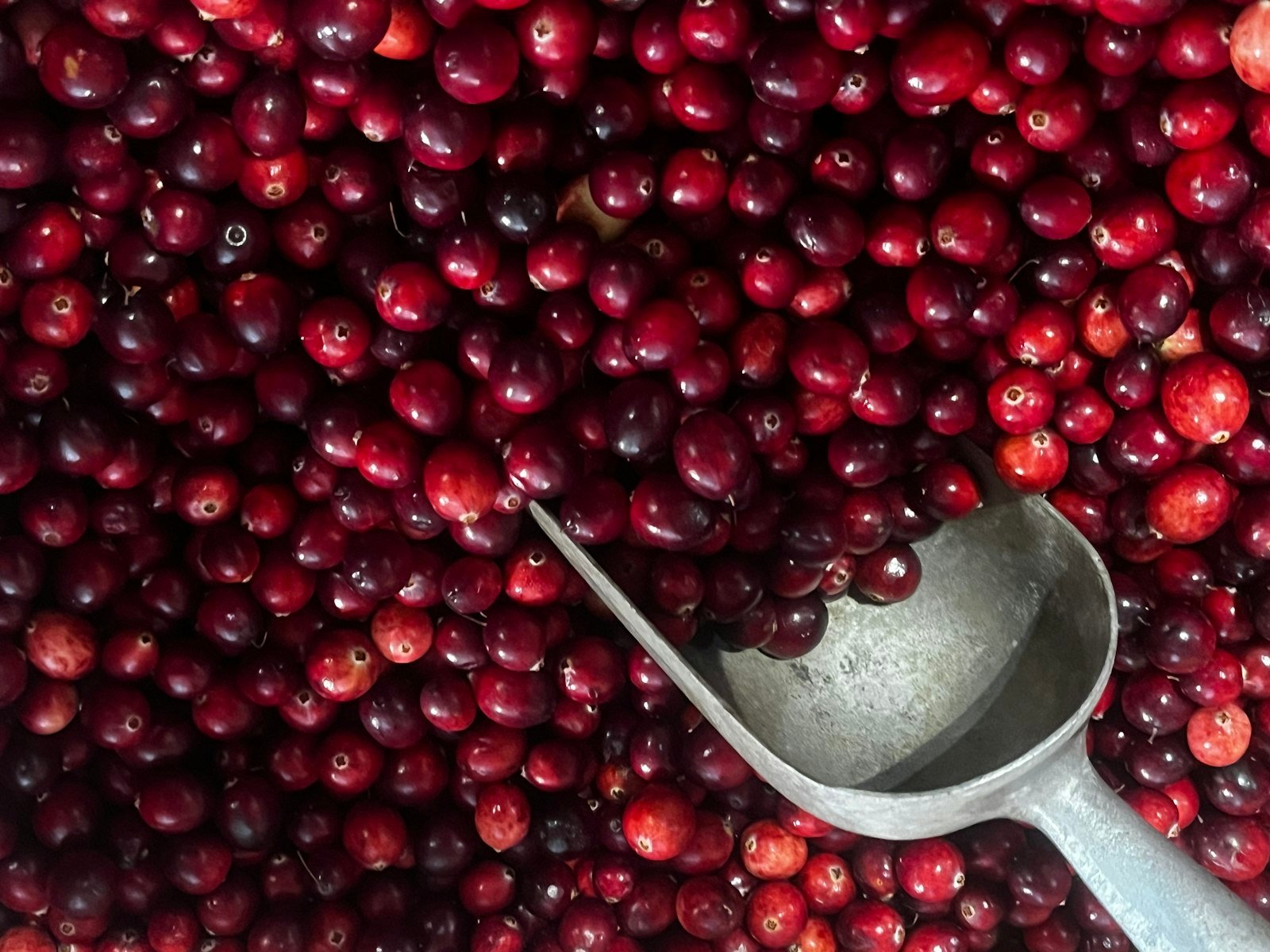
Readers may know cranberries for urinary health, but researchers at the University of Illinois Chicago College of Dentistry, led by Christine Wu, turned to the mouth. Their study in Scientific Reports included 22 people, 14 children and 8 adults, randomly assigned to pure unsweetened cranberry juice, a sweetened cranberry cocktail containing 27% juice, or plain water. Participants swished and swallowed small amounts, and the team sampled plaque before and 30 minutes after.
Plaque exposed to the unsweetened juice regrew more slowly and produced less acid, in both children and adults. Acid made by plaque bacteria is what wears away tooth enamel, so this is a meaningful target. The study was small and short, and it cannot show that drinking cranberry juice prevents cavities. The finding also applies to the unsweetened juice, not the sugary cocktails on most store shelves.
4. The Mediterranean Diet and Tiny Mitochondrial Proteins
We recently explored decades of Mediterranean diet research. A new paper in Frontiers in Nutrition, from Roberto Vicinanza, senior author Pinchas Cohen, and colleagues at the University of Southern California, adds an intriguing layer. The team examined blood from older adults who followed the diet to different degrees and measured two “microproteins,” humanin and SHMOOSE, which are made from instructions in mitochondrial DNA.
Those who followed the diet more closely had significantly higher levels of both, along with lower markers of oxidative stress. Olive oil, fish, and legumes were tied to higher humanin, while olive oil and fewer refined carbohydrates were tied to higher SHMOOSE. People with more humanin also tended to have lower activity of Nox2, an enzyme that generates oxidative stress in blood vessels.
The study was relatively small and observational, so it cannot show that the diet raises these proteins or that they prevent disease. Even so, it offers a fascinating possible link between a traditional way of eating and the energy centers of our cells.
This Week’s Evidence at a Glance
| Finding | Who Was Studied | Study Type | Headline Result |
|---|---|---|---|
| Caffeinated coffee and tea | 131,821 adults, up to 43 years | Observational | 18% lower dementia risk at highest coffee intake |
| Avocado plus mango | 82 adults with prediabetes, 8 weeks | Controlled feeding study | Flow-mediated dilation 6.7% vs 4.6% |
| Unsweetened cranberry juice | 22 children and adults, 30 minutes | Small randomized study | Slower plaque regrowth, less acid |
| Mediterranean diet | Older adults | Small observational | Higher humanin and SHMOOSE |
How to Put This Week’s Research to Work
- Enjoy coffee or tea in moderation. If you already drink them, 2 to 3 cups of coffee or 1 to 2 cups of tea fits the range tied to the best outcomes. Finish earlier in the day to protect your sleep.
- Add fruit in place of refined carbs. Try avocado and mango in a salad or salsa in place of crackers or sweet snacks. Other whole-food swaps, like the kitchen spices we covered for blood sugar, can work alongside it.
- Choose unsweetened cranberry. If you try the juice, pick 100% unsweetened and dilute it to taste. Because it is acidic, rinse with water afterward and wait a little before brushing.
- Build meals around olive oil, legumes, and fish. These were the foods most closely tied to higher microprotein levels.
The Bottom Line
None of these findings is a miracle, and several are early. Taken together, though, they point in a familiar direction: traditional foods and drinks, enjoyed regularly and in sensible amounts, seem to support the brain, the blood vessels, the mouth, and even the mitochondria. Small daily choices remain some of the most powerful tools we have.
Frequently Asked Questions
Does decaf coffee protect the brain too?
In the JAMA study, decaffeinated coffee was not linked to lower dementia risk. That does not make decaf unhealthy; it simply did not show this association.
Do I need to eat avocado and mango together?
The study tested them together and did not determine whether the combination works better than either fruit alone.
Will cranberry juice replace brushing?
No. The study looked at plaque for only 30 minutes after drinking. Think of unsweetened cranberry as a possible addition to good oral care.
What are microproteins?
They are very small proteins encoded in mitochondrial DNA. Humanin and SHMOOSE have been studied for their possible roles in metabolism, vascular health, and brain protection.
Safety note: People who are pregnant or sensitive to caffeine may need to limit coffee. Those with kidney disease or on potassium-affecting or blood-thinning medications should check with their practitioner before making large changes to avocado or cranberry intake.
Sources
- Zhang Y, et al. Coffee and Tea Intake, Dementia Risk, and Cognitive Function. JAMA. 2026;335(11):961. doi.org/10.1001/jama.2025.27259
- Sci.News summary of the JAMA study: Moderate Caffeinated Coffee and Tea Consumption Can Lower Dementia Risk
- ScienceDaily (American Physiological Society): Drinking 2–3 cups of coffee a day linked to lower dementia risk
- Preiss C, et al. Effects of Increasing Total Fruit Intake With Avocado and Mango on Endothelial Function and Cardiometabolic Risk Factors in Adults With Prediabetes. Journal of the American Heart Association. 2026;15(4). doi.org/10.1161/JAHA.124.040933
- ScienceDaily: Heart benefits of eating avocado and mango every day
- Wu CD, et al. In vivo exposure to cranberry juice suppresses dental plaque regrowth and acid production in adults and children: a PGRM study. Scientific Reports. 2026;16(1). doi.org/10.1038/s41598-026-56025-3
- ScienceDaily (University of Illinois Chicago): Cranberry juice may help fight tooth decay
- Vicinanza R, et al. Mediterranean diet adherence is associated with mitochondrial microproteins Humanin and SHMOOSE. Frontiers in Nutrition. 2026;12. doi.org/10.3389/fnut.2025.1727012
- ScienceDaily (USC): Mediterranean diet may boost tiny proteins that protect the heart and brain
This article is for educational purposes and is not a substitute for personalized advice from a qualified health practitioner.





