






Some of the most encouraging health news of the past few weeks came not from new drugs but from the kitchen and the walking path. Researchers in the Netherlands looked inside the brains of older adults who ate peanuts every day. A massive study from China tracked tea drinking and heart health in nearly half a million people. A British team tested a simple plant fiber for arthritis pain, and an international trial showed what a structured diet and exercise program can do for young adults with type 2 diabetes.
As always, we have read past the headlines to bring you what each study actually found, what it means, and where its limits lie.
Key Takeaways
- Peanuts and the brain: In a 16-week trial, older adults who ate about 60 grams of peanuts daily showed better insulin responsiveness in memory-related brain regions.
- Tea and the heart: Among nearly 486,000 Chinese adults, regular tea drinkers had an 11% lower risk of vascular disease, but drinking tea “burning hot” appeared to cancel out some of the benefit.
- Fiber for knee pain: A six-week trial found inulin, a prebiotic fiber from plants like chicory root, reduced knee osteoarthritis pain and improved grip strength.
- Lifestyle and diabetes: A supervised low-calorie diet plus exercise led to remission in 54% of young adults with type 2 diabetes after six months, compared with about 4% on usual care.
1. A Handful of Peanuts a Day May Help the Aging Brain Use Insulin
Insulin is not only about blood sugar. The brain also responds to insulin, and that responsiveness tends to decline with age. Researchers at Maastricht University in the Netherlands wanted to know whether a simple food could help.
In a randomized crossover trial published in Food & Function, 31 healthy adults aged 60 to 75 ate about 60 grams (roughly two servings) of unsalted, roasted peanuts with skins every day for 16 weeks. During a separate 16-week period, they avoided peanuts. Using brain MRI after a nasal spray of insulin, the team found that eating peanuts improved insulin responsiveness in a group of brain regions involved in memory, including the hippocampus.
The same team previously reported in Clinical Nutrition that 16 weeks of peanuts increased overall brain blood flow by 3.6% and improved verbal memory by 5.8%. The researchers suggest the combination of healthy fats, fiber, vitamins, minerals, plant compounds, and the amino acid L-arginine may all play a role.
Keep in mind: This was a small study in healthy older adults, and it was funded by The Peanut Institute Foundation, though the researchers state the funder had no role in the design or analysis. It adds to a large body of research on nuts and long life, which we covered in A Handful a Day.
2. Tea Is Linked to a Healthier Heart, but Let It Cool First
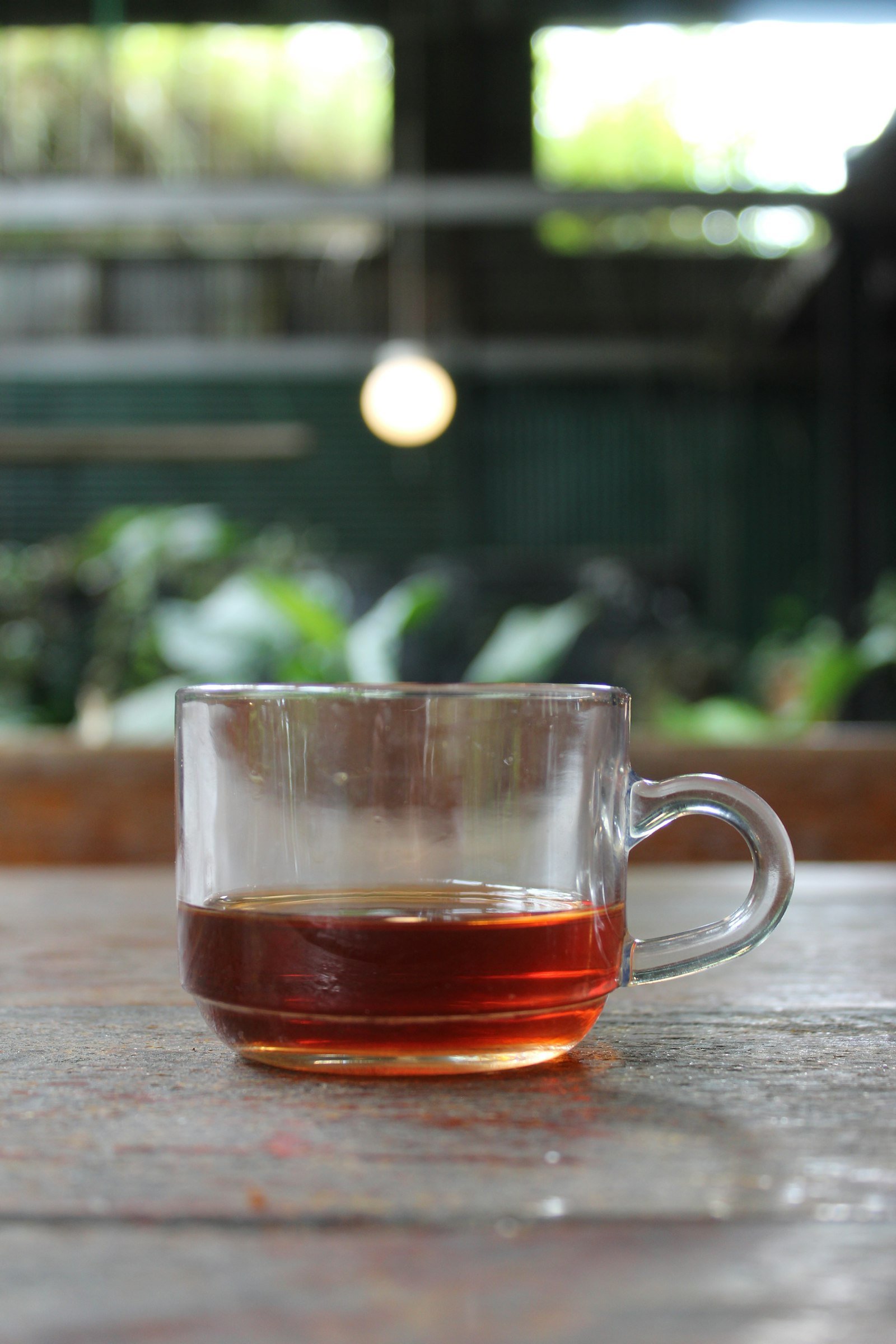
Tea has been a daily ritual across Asia for thousands of years, and Traditional Chinese Medicine has long valued it as a healthful everyday drink. A new study in the Journal of Internal Medicine looked at tea habits in 485,934 adults in China, followed for about nine years.
Regular tea drinkers had an 11% lower risk of combined vascular diseases, including heart disease, stroke, and peripheral artery disease. Among weekly tea drinkers, the lowest estimated risk appeared at about six to eight cups a day. Black tea showed more consistent benefits than green tea, and moderate-strength tea was linked to the lowest risk. The healthiest profile of all combined regular tea drinking with not smoking and high physical activity.
The catch? People who drank their tea “burning hot” had higher vascular risk, which offset some of the benefit. The researchers did not identify an exact temperature threshold.
Keep in mind: This is an observational study, so it shows an association rather than proof that tea itself lowered risk. The authors also caution that the six-to-eight-cup figure is not a recommendation. A simple takeaway: enjoy your tea regularly, at a moderate strength, and let it cool to a comfortable sipping temperature. Tea’s cousin, cacao, has its own heart story, which we explored in our article on cacao and cocoa flavanols.
3. A Prebiotic Fiber Eased Knee Arthritis Pain
The idea that gut health shapes joint health is gaining ground, and a new trial from the University of Nottingham put it to the test. Published in Nutrients, the six-week INSPIRE trial randomly assigned 117 adults with knee osteoarthritis to inulin alone, a digitally supported physical therapy exercise program alone, both together, or a placebo.
Inulin is a prebiotic fiber that feeds beneficial gut bacteria. It is found naturally in chicory root, onions, garlic, leeks, and asparagus. Both inulin and physical therapy independently reduced knee pain. But only the inulin group showed better grip strength and lower pain sensitivity. Inulin also raised levels of butyrate, a beneficial compound produced by gut bacteria, and participants had higher levels of GLP-1, a gut hormone that was associated with better grip strength.
Interestingly, the inulin-only group was far easier to stick with: just 3.6% dropped out, compared with 21% in the exercise-only group.
Keep in mind: The trial was small and short, and we do not yet know how long the benefits last. The authors emphasize that fiber should complement, not replace, exercise and established care. For more natural joint support, see our look at turmeric for joint pain.
4. Diet and Exercise Put Over Half of Young Adults’ Type 2 Diabetes Into Remission
Type 2 diabetes is increasingly diagnosed in people under 45, and it tends to progress faster at younger ages. The RESET for Remission trial, run at the University of Leicester in the UK, McGill University in Montreal, and the University of Alberta, and published in The Lancet Regional Health – Americas, tested whether a lifestyle program could reverse course.
The trial enrolled 96 adults aged 18 to 45 with type 2 diabetes and obesity. Half followed a supervised program: 800 to 900 calories a day for 12 weeks (meal replacements at first, then one regular meal daily), plus supervised aerobic and strength exercise twice a week and one independent session. The next 12 weeks focused on maintaining weight loss. Glucose-lowering medications were stopped at the start under close medical supervision as part of the study protocol. The comparison group received usual care.
After six months, 54% of the program group were in remission, defined as an HbA1c below 6.5% without diabetes medication for at least 12 weeks, compared with about 4% of the usual-care group. The program group lost an average of 8.4 kilograms (about 18.5 pounds), compared with 1.2 kilograms with usual care. Side effects such as constipation, headache, dizziness, and fatigue were common early on but generally passed, and no severe adverse events were reported.
Keep in mind: The trial was small and short, and participants and staff knew who was in each group. Remission is not the same as a permanent cure, and longer studies are needed to see whether results last. Still, it is a powerful reminder of how strongly food and movement shape metabolic health. For everyday habits that steady blood sugar, see Eat Your Vegetables First.
This Week’s Research at a Glance
| Study | Type and size | Main finding |
|---|---|---|
| Peanuts and brain insulin response (Food & Function, 2026) | Randomized crossover trial, 31 adults aged 60 to 75 | Better insulin responsiveness in memory-related brain regions after 16 weeks |
| Tea and vascular disease (Journal of Internal Medicine, 2026) | Observational, 485,934 adults, about 9 years | 11% lower vascular risk in regular drinkers; very hot tea offset some benefit |
| Inulin for knee osteoarthritis (Nutrients, 2026) | Randomized trial, 117 adults, 6 weeks | Less knee pain, better grip strength, lower pain sensitivity |
| RESET for Remission (Lancet Regional Health – Americas, 2026) | Randomized trial, 96 adults aged 18 to 45, 24 weeks | 54% diabetes remission vs. about 4% with usual care |
How to Put This Week’s News Into Practice
- Snack on peanuts or other nuts. A small handful of unsalted roasted peanuts, with skins if you can find them, makes a filling, brain-friendly snack.
- Enjoy tea, warm not scalding. Brew black or green tea at moderate strength and let it cool for a few minutes before sipping.
- Feed your gut bacteria. Add inulin-rich foods to your meals: onions, garlic, leeks, asparagus, and chicory. Increase slowly to avoid gas and bloating.
- Keep moving. Exercise was a core part of both the arthritis and diabetes studies. Regular walking and strength work support the joints and blood sugar alike.
- Think in whole patterns. No single food is magic. These studies work best together, as part of a fiber-rich, plant-forward diet like the one in our article on fiber and whole grains.
The Bottom Line
This week’s research points to simple, food-first habits: a daily handful of peanuts for the aging brain, regular tea enjoyed at a comfortable temperature for the heart, prebiotic fiber for joint comfort, and a structured eating and exercise plan that helped many young adults reverse type 2 diabetes. Each study has its limits, but together they reinforce a timeless message from traditional health systems: what you eat and how you move every day shapes how your body ages.
Frequently Asked Questions
Are peanut butter and salted peanuts just as good?
The trial used unsalted, roasted peanuts with skins. Natural peanut butter with no added sugar or hydrogenated oils is a reasonable option, but heavily salted or sweetened products are best kept occasional.
How hot is “too hot” for tea?
The study did not name a specific temperature. A practical approach is to wait a few minutes after pouring, until the tea is comfortably warm rather than scalding.
Can I get inulin from food rather than a supplement?
Yes. Chicory root, Jerusalem artichokes, onions, garlic, leeks, and asparagus are all natural sources. The trial used a supplement, so food amounts may differ, but these foods support gut health either way.
Could the diabetes program work for older adults?
This trial only included adults aged 18 to 45. Similar diet-based programs have been studied in other age groups, but anyone considering a very low-calorie plan should do so with medical support.
Safety note: In the diabetes trial, medications were stopped only under close medical supervision. If you take medication for diabetes, do not stop or reduce it on your own. A very low-calorie diet can cause blood sugar to drop sharply while on these drugs, so plan any major dietary change together with your care team.
Sources
- ScienceDaily. Scientists discover a surprising brain benefit of eating peanuts every day, November 2026. Study: Kerkhof L, Mensink RP, Plat J, Nijssen KMR, Joris PJ. Food & Function. 2026;17(20). doi:10.1039/D6FO03208G
- ScienceDaily. Drinking tea may help protect your heart, but there’s a surprising catch, November 2026. Study: Ye Z, et al. Habitual tea consumption is associated with lower cardiovascular disease risk. Journal of Internal Medicine. 2026. doi:10.1111/joim.70172
- ScienceDaily. A simple daily fiber supplement reduced arthritis pain and improved strength, October 2026. Study: Kouraki A, et al. Nutrients. 2026;18(5):714. doi:10.3390/nu18050714
- ScienceDaily. Type 2 diabetes breakthrough as 54% achieve remission in just 6 months, October 2026. Study: RESET for Remission trial. The Lancet Regional Health – Americas. 2026;101664. doi:10.1016/j.lana.2026.101664
This article is for educational purposes and is not a substitute for personalized advice from a qualified health practitioner.