











When we think about blood sugar, we usually think about what we eat. But research shows how we eat matters too. The order of the foods on your fork, a splash of vinegar, and a short stroll after dinner can all make a surprisingly big difference.
These habits are simple, free, and rooted in traditions from around the world: the Mediterranean salad course, the European habit of tangy vinegar dressings, and the Italian evening passeggiata walk. Here is the science behind them.
Key Takeaways
- Eating vegetables and protein before carbohydrates lowered blood sugar after meals by up to 37% in a Weill Cornell study.
- Vinegar with a starchy meal can modestly blunt the rise in blood sugar.
- A 10 to 15 minute walk after eating helps muscles pull sugar out of the bloodstream.
- Together, these habits support steadier energy, fewer cravings, and healthier metabolism.
Habit 1: Change the Order of Your Plate
In 2015, researchers at Weill Cornell Medicine in New York published a study in Diabetes Care. They gave adults with type 2 diabetes the same meal on two occasions: vegetables, chicken, salad, bread, and orange juice. One day they ate the carbohydrates first; another day they ate the vegetables and protein first and the carbohydrates 15 minutes later.
Blood Sugar When Vegetables and Protein Came First
| Time after eating | Blood sugar |
|---|---|
| 30 minutes | 29% lower |
| 60 minutes | 37% lower |
| 120 minutes | 17% lower |
Source: Shukla et al., Diabetes Care, 2015.
Insulin levels were also significantly lower. The exact same food, simply eaten in a different order, produced a much gentler blood sugar curve. Fiber from vegetables forms a gel-like layer in the gut that slows sugar absorption, while protein and fat slow stomach emptying and stimulate gut hormones that help regulate blood sugar.
How to do it: Start meals with a salad, vegetable soup, or cooked greens. Then eat your protein. Save bread, rice, pasta, potatoes, and dessert for last.
Habit 2: Add a Splash of Vinegar
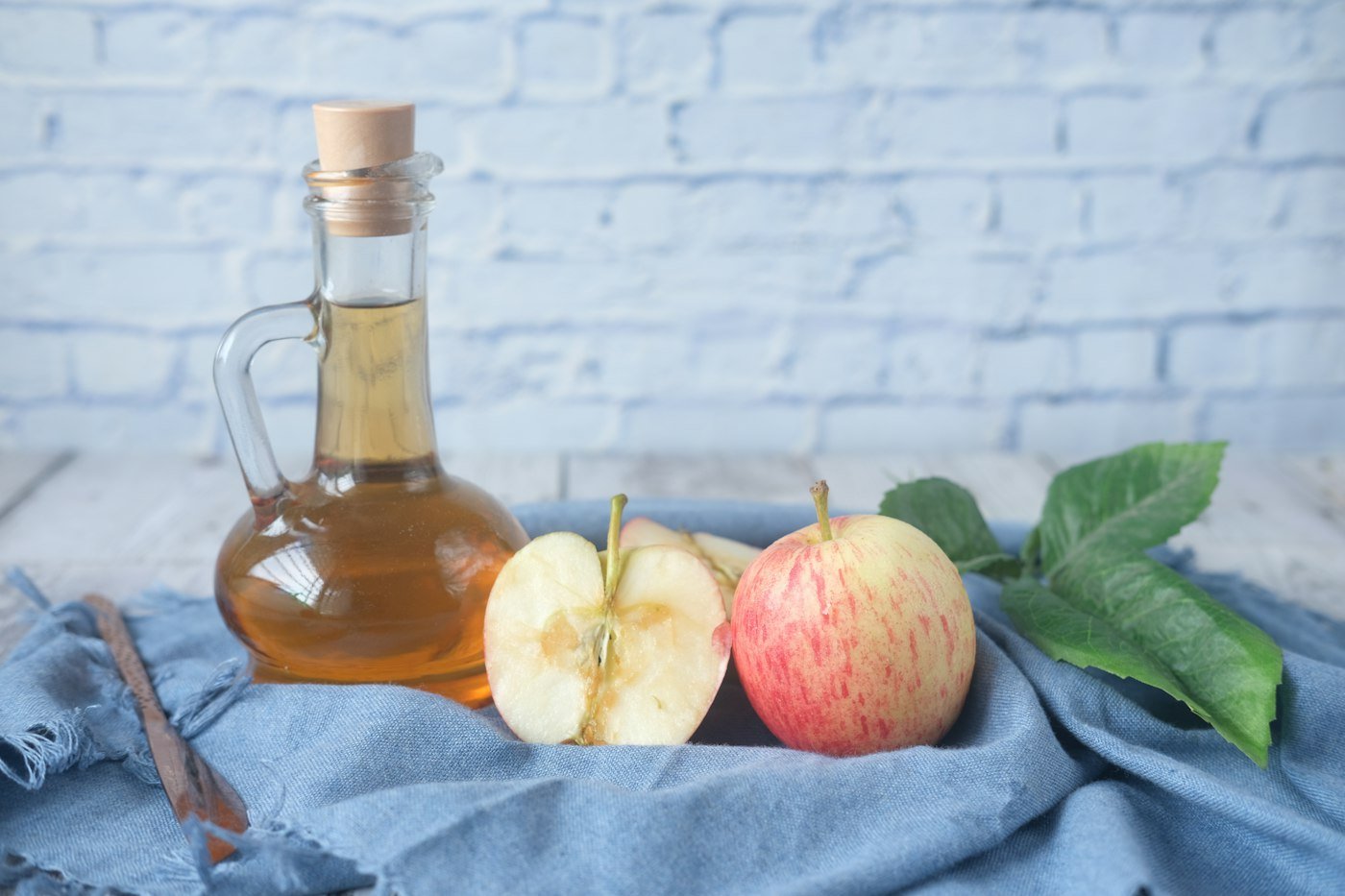
Vinegar has been a folk remedy for “sugar” for generations, and research supports the tradition. Acetic acid, the main active compound in vinegar, appears to slow the emptying of the stomach and help muscles take up glucose. Studies, including work by Dr. Carol Johnston at Arizona State University, have found that 1 to 2 tablespoons of vinegar taken with a carbohydrate-rich meal can modestly reduce the rise in blood sugar afterward.
How to do it: Dress your starter salad with an olive oil and vinegar dressing, or stir a tablespoon of apple cider vinegar into a glass of water and sip it with your meal. Always dilute it to protect your teeth and throat.
Habit 3: Take a Walk After Eating
When you walk, your leg muscles act like sponges, pulling glucose from the blood to use as fuel, even without needing much insulin. Studies have found that short walks after meals lower blood sugar more effectively than a single longer walk at another time of day. Just 10 to 15 minutes of gentle walking after each meal can make a real difference.
How to do it: Walk around the block after dinner, walk to a colleague’s desk instead of emailing, or do light chores. Want more structure? Try Japanese interval walking.
More Natural Allies for Blood Sugar
- Fiber-rich foods such as beans, lentils, oats, and vegetables.
- Healthy fats like olive oil, nuts, and avocado with meals.
- Cinnamon and fenugreek, traditional spices studied for blood sugar support.
- Berberine, a plant compound with research behind it. Read our guide to berberine.
- Good sleep and stress relief, since poor sleep and stress hormones both raise blood sugar.
- Eating earlier in the day rather than late at night.
To understand the bigger picture, read Actually Understand Type 2 Diabetes and Insulin Resistance and Hypertension: Beyond Salt.
The Bottom Line
You do not need to give up every carbohydrate to keep blood sugar steady. Start with vegetables and protein, add a little vinegar, and take a short walk after eating. These traditional habits, now backed by research, can soften blood sugar spikes, reduce cravings, and support long-term metabolic health, whether you are managing diabetes or simply want more stable energy.
Frequently Asked Questions
Does food order help people without diabetes?
Yes. Studies in people with prediabetes and healthy adults have found similar benefits.
Can I take vinegar capsules instead?
Liquid vinegar with meals has more research behind it. If you dislike the taste, use it in salad dressings.
How long should I wait between vegetables and carbs?
The Weill Cornell study used a 15-minute gap, but even eating vegetables first within the same meal can help.
A note for people on diabetes medication: These habits can lower blood sugar noticeably. If you take insulin or medications that can cause low blood sugar, monitor your levels as you make changes and let your practitioner know so doses can be adjusted if needed.
Sources
- Shukla AP, Iliescu RG, Thomas CE, Aronne LJ. Food order has a significant impact on postprandial glucose and insulin levels. Diabetes Care, 2015. Summary via Weill Cornell Medicine.
- Johnston CS, Kim CM, Buller AJ. Vinegar improves insulin sensitivity to a high-carbohydrate meal in subjects with insulin resistance or type 2 diabetes. Diabetes Care, 2004.
- Reynolds AN, Mann JI, Williams S, Venn BJ. Advice to walk after meals is more effective for lowering postprandial glycaemia in type 2 diabetes mellitus than advice that does not specify timing. Diabetologia, 2016.
This article is for educational purposes and is not a substitute for personalized advice from a qualified health practitioner.





