












Few supplements have ridden the social media wave quite like berberine. Since prescription weight-loss drugs such as Ozempic and Wegovy became household names, videos dubbing berberine “nature’s Ozempic” have racked up millions of views. Sales have soared, and the supplement is now a regular topic in blood sugar and weight-loss groups.
Unlike many viral supplements, berberine actually has a respectable body of research. It can lower blood sugar. But comparing it to Ozempic is a big stretch. Let’s look at what the evidence really says.
Key Takeaways
- Berberine is a yellow compound found in plants such as barberry, goldenseal, Oregon grape, and Chinese goldthread.
- Clinical trials, mostly from China, show it can modestly lower fasting blood sugar, HbA1c, and cholesterol in people with type 2 diabetes.
- Weight loss is small, around 2 to 3 kilograms (4 to 7 pounds) on average in pooled studies, far less than with GLP-1 drugs.
- Digestive side effects are common, and berberine interacts with many medications.
- It is not a substitute for diabetes medication and should only be used with a doctor’s knowledge.
Where Does Berberine Come From?
Berberine is a bright yellow alkaloid found in the roots, bark, and stems of several plants. It has been used in traditional Chinese and Ayurvedic medicine for centuries, mainly to treat diarrhea and infections. In the 1980s, Chinese doctors treating diabetic patients for diarrhea noticed that their blood sugar dropped as well. That observation sparked decades of research into berberine as a metabolic treatment.
How Does It Work?
Berberine works in several ways, some of which overlap with the common diabetes drug metformin:
- Activates AMPK. This enzyme acts as a cellular “fuel gauge.” Switching it on encourages cells to take up glucose and burn fat.
- Reduces glucose production in the liver. The liver releases less sugar into the blood.
- Improves insulin sensitivity. Cells respond better to insulin.
- Changes gut bacteria. Because berberine is poorly absorbed, much of it stays in the gut, where it appears to reshape the microbiome.
- May modestly raise GLP-1. This is the source of the “Ozempic” comparison, but berberine’s effect on GLP-1 is small and indirect. Ozempic delivers a powerful, long-acting drug that mimics GLP-1 directly.
What the Research Shows
Blood sugar
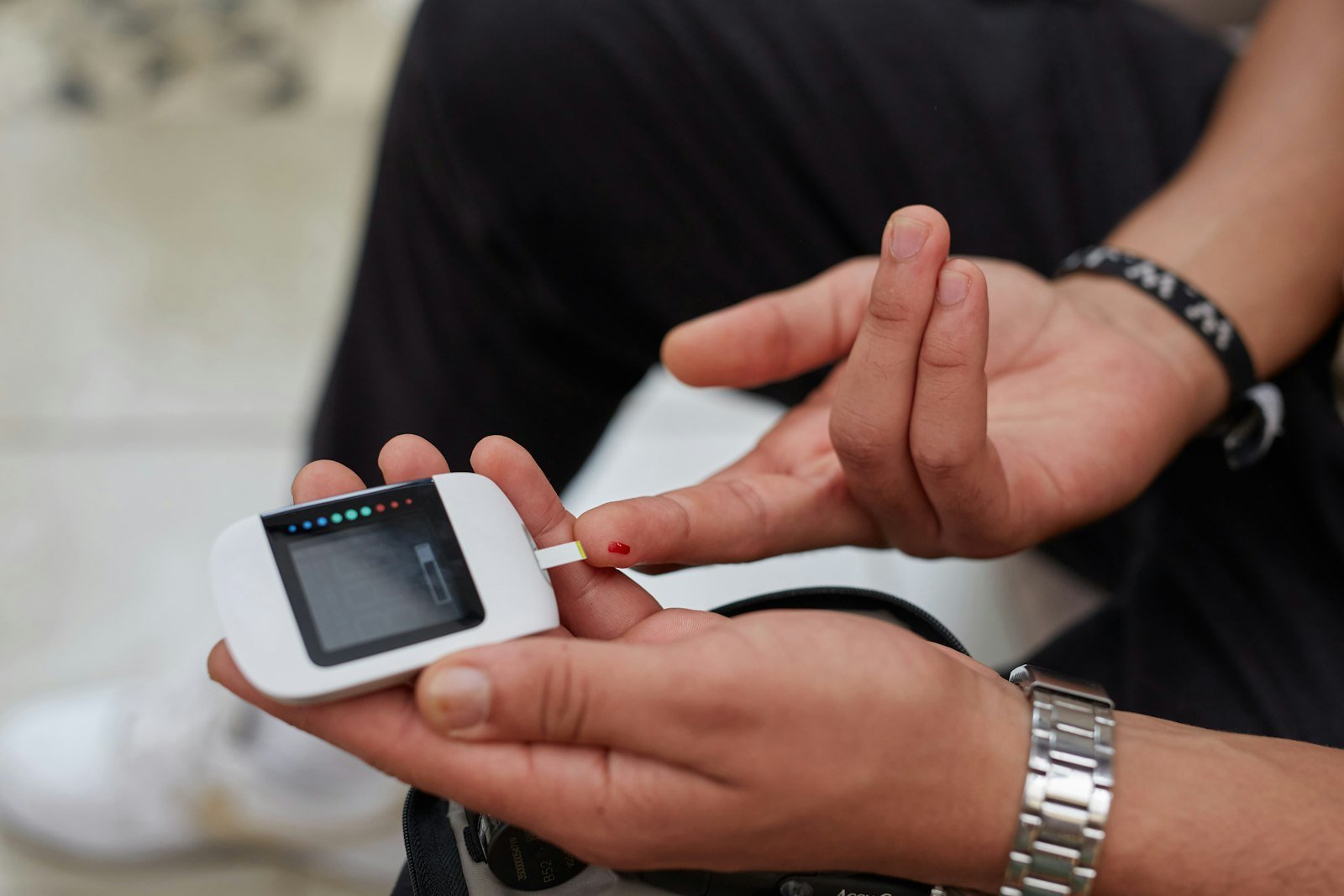
Several meta-analyses, which pool the results of many trials, have found that berberine lowers fasting blood sugar, after-meal blood sugar, and HbA1c (a measure of average blood sugar over three months) in people with type 2 diabetes. On average, HbA1c dropped by roughly half a percentage point, a meaningful but moderate effect. Some small head-to-head trials suggested effects comparable to metformin, though these studies were often short and of mixed quality.
Cholesterol
Berberine also tends to lower LDL (“bad”) cholesterol and triglycerides. This effect works through a different mechanism from statins, which has made it a topic of interest for heart health researchers.
Weight
Here is where the hype falls apart. Pooled studies show berberine taken at doses of 300 to 3,000 mg a day produced modest reductions in body weight, waist size, and BMI, roughly 2 to 3 kilograms on average. Effects were strongest in women with obesity taking at least 1,000 mg daily for three months or longer. By contrast, semaglutide (Ozempic and Wegovy) produced average weight loss of about 15% of body weight in its major trial, which would be around 15 kilograms for a 100 kilogram person.
Berberine vs. Semaglutide
| Berberine | Semaglutide | |
|---|---|---|
| Type | Plant-derived supplement | Prescription drug |
| Average weight loss | About 2 to 3 kg | About 15% of body weight |
| Blood sugar effect | Moderate | Strong |
| Quality control | Varies by brand | Strictly regulated |
| Heart outcome trials | None large-scale | Shown to reduce heart attacks and strokes |
Limitations
Most berberine trials are small, short, and conducted in China, with varying product quality and doses. There are no large, long-term studies showing that berberine prevents heart attacks, kidney disease, or other diabetes complications. We also do not know what happens to weight and blood sugar after people stop taking it.
Side Effects and Safety
- Digestive upset. Constipation, diarrhea, gas, cramping, and nausea are the most common complaints. Splitting the dose across meals can help.
- Drug interactions. Berberine affects liver enzymes that process many medicines. It may interact with cyclosporine, some blood pressure drugs, blood thinners, sedatives, and the cough suppressant dextromethorphan.
- Low blood sugar. Combining berberine with diabetes drugs such as insulin or sulfonylureas can push blood sugar too low.
- Not for pregnancy, breastfeeding, or newborns. Berberine can worsen jaundice in infants and may harm a developing baby.
- Product quality. As a supplement, berberine is not tested by the FDA before sale. Choose brands with third-party testing.
A Smarter Approach to Blood Sugar
If you have prediabetes or type 2 diabetes, lifestyle remains the foundation, and its effects are often larger than any supplement:
- Losing 5 to 10% of body weight can dramatically improve blood sugar and may even put type 2 diabetes into remission.
- A short walk after meals helps muscles soak up glucose.
- Fiber-rich foods like beans, lentils, vegetables, and whole grains slow sugar absorption.
- Regular sleep and stress management help balance blood sugar hormones. See our article on why a consistent sleep schedule matters.
Want to understand the condition better? Start with our science-based guide to understanding type 2 diabetes, explore how intermittent fasting may help blood sugar, and learn about the link between insulin resistance and high blood pressure.
The Bottom Line
Berberine is one of the more credible natural supplements for blood sugar, with genuine though modest effects in clinical trials. But it is not “nature’s Ozempic.” Its weight-loss effects are small, its long-term benefits are unproven, and it can interact with common medications. If you are curious about trying it, talk to your doctor first, especially if you take diabetes medication, and keep healthy eating and activity at the center of your plan.
Frequently Asked Questions
How much berberine do people take?
Studies commonly used 900 to 1,500 mg a day, split into two or three doses with meals. Do not start without talking to your healthcare provider.
Can I take berberine with metformin?
They work in similar ways, and combining them may increase side effects and the risk of low blood sugar. Only do so under medical supervision.
How long does berberine take to work?
Most studies measured effects after 8 to 12 weeks.
Is berberine safe long-term?
Long-term safety data are limited. Most trials lasted three months or less.
Sources
- The Conversation. “Nature’s own Ozempic” or berberine is all over social media. But does it really help you lose weight?
- Dong H, Wang N, Zhao L, Lu F. Berberine in the Treatment of Type 2 Diabetes Mellitus: A Systemic Review and Meta-Analysis. Evidence-Based Complementary and Alternative Medicine, 2012.
- Wilding JPH, et al. Once-Weekly Semaglutide in Adults with Overweight or Obesity. New England Journal of Medicine, 2021.
- National Center for Complementary and Integrative Health. Goldenseal.
This article is for educational purposes and is not medical advice. Never stop or change diabetes medication without talking to your doctor.





