






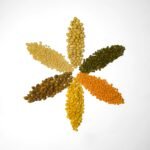




Walk into almost any Indian kitchen and you will find a jar of small, golden-brown, slightly square seeds. This is fenugreek, known in Hindi as methi. Cooks toast the seeds to add a nutty, maple-like depth to curries and pickles, and families often soak a spoonful overnight and drink the water in the morning. In Ayurveda, fenugreek has long been used to support digestion and to help balance blood sugar, a condition the ancient texts described as madhumeha, or “honey urine.”
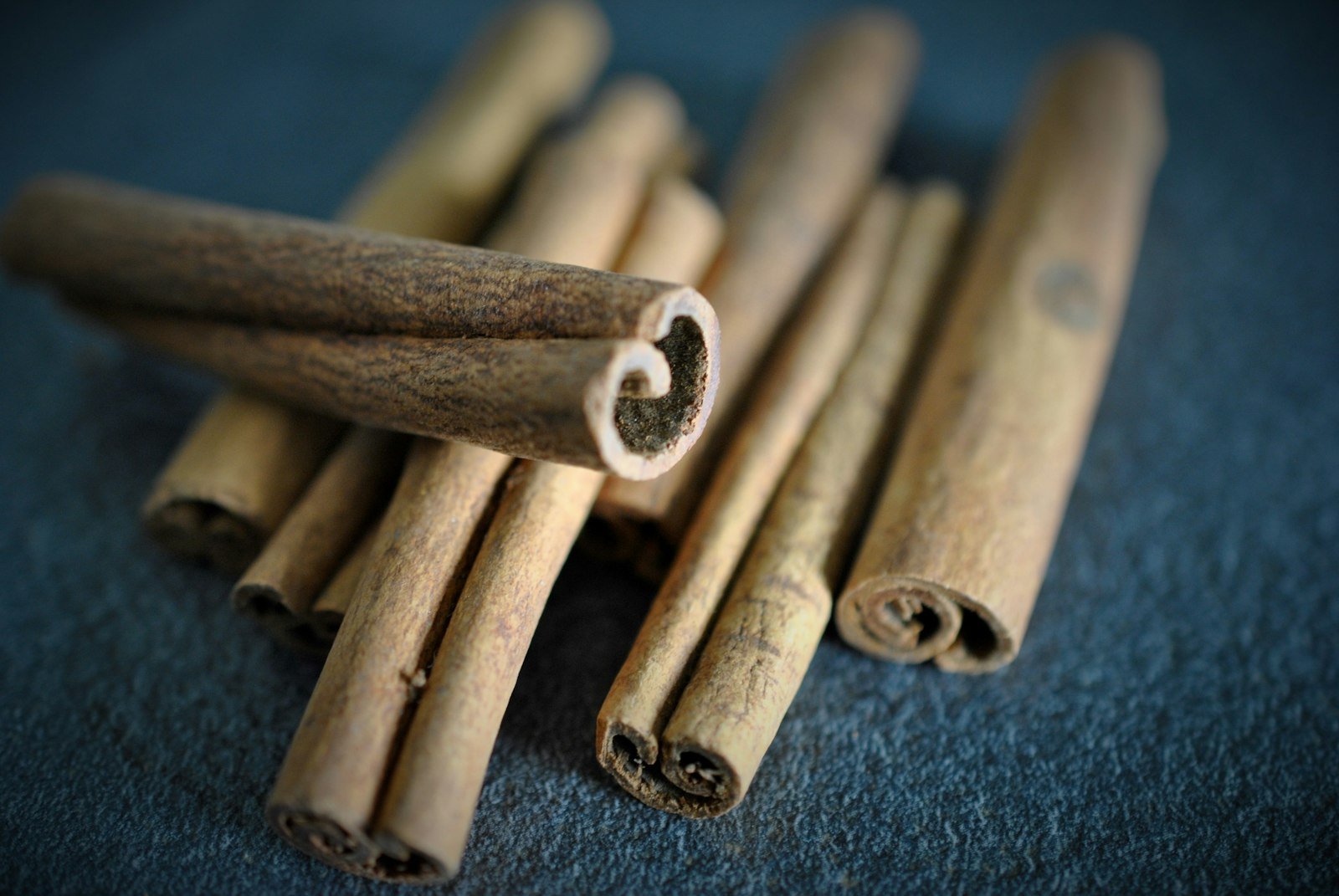
Cinnamon has an equally long history. It was prized in ancient Egypt, traded along the spice routes, and used in Traditional Chinese Medicine as a warming herb to support circulation and digestion.
Today, both spices have been tested in clinical trials for their effects on blood sugar. The research is not perfect, but it is real, and it points to two simple, affordable additions to a blood sugar-friendly way of life.
Key Takeaways
- A 2014 review of 10 trials found that fenugreek seed lowered fasting blood sugar, after-meal blood sugar, and HbA1c in people with diabetes, mainly at doses of 5 grams a day or more.
- In a three-year trial in India, people with prediabetes who took 10 grams of fenugreek powder daily were far less likely to develop diabetes (23%) than those who didn’t (55%).
- A 2023 review of 14 trials confirmed a meaningful drop in HbA1c, a measure of long-term blood sugar, though results for fasting blood sugar were mixed.
- A 2025 umbrella review found cinnamon was associated with improved fasting blood sugar, especially in people with diabetes or metabolic syndrome.
- Both spices work best as part of a whole approach that includes fiber-rich meals, movement, and good sleep, alongside any care you already receive.
How Fenugreek May Help Blood Sugar
Fenugreek seeds are about half fiber, much of it a soluble, gel-forming fiber called galactomannan. When you eat the seeds, this fiber thickens in the gut and slows how quickly sugars are absorbed into the blood, softening the spike that follows a meal. The seeds also contain an unusual amino acid called 4-hydroxyisoleucine, which lab studies suggest may encourage insulin release and help cells respond to insulin.
That fiber effect is the same principle behind the practical tricks we covered in eating your vegetables first and our guide to getting more fiber: slow down the sugar, and the body handles it more gracefully.
What the Fenugreek Research Shows
Lower blood sugar in people with diabetes
In 2014, N. Neelakantan and colleagues, including Rob van Dam, pooled 10 clinical trials in Nutrition Journal. Compared with control groups, fenugreek lowered fasting blood sugar by an average of about 17 mg/dL, blood sugar two hours after a glucose drink by about 39 mg/dL, and HbA1c by 0.85 percentage points. The benefits showed up in people with diabetes taking medium to high doses (5 grams a day or more) of powdered seed. Low doses and alcohol-based extracts did not show the same effect.
Prevention: a three-year trial in prediabetes
The most encouraging study tested whether fenugreek could help prevent diabetes. Researchers in India led by Arpana Gaddam followed 140 adults with prediabetes for three years, publishing their results in the Journal of Diabetes & Metabolic Disorders in 2015. One group took 5 grams of debittered fenugreek powder twice a day, stirred into water and taken 30 minutes before meals. The other group received standard lifestyle advice only.
After three years, 55% of the control group had developed type 2 diabetes, compared with 23% of the fenugreek group. Fasting blood sugar and LDL cholesterol dropped modestly in the fenugreek group, and no side effects were reported. The main complaint was the taste. The study had limitations, including that participants knew which group they were in, but the size of the difference is notable.
A more cautious recent review
A 2023 review in Medicina by Muhammed Shabil and colleagues pooled 14 trials with 894 participants. It found a significant reduction in HbA1c (about 0.88 percentage points), but no clear effect on fasting or after-meal blood sugar, and it flagged wide differences between studies. Taken together, the research suggests fenugreek has real promise, especially for long-term blood sugar, while larger, better-designed trials are still needed.
Cinnamon: A Warming Spice With Supporting Evidence
Cinnamon contains polyphenols that, in laboratory studies, appear to make cells more responsive to insulin and slow the breakdown of carbohydrates in the gut. Clinical trials have produced mixed results over the years, so in 2025 a team led by Gou Haobo published an umbrella review in Frontiers in Nutrition, examining 21 earlier meta-analyses on cinnamon and metabolic health.
They concluded that cinnamon supplementation was associated with improvements in fasting blood sugar, with larger effects in people with diabetes and metabolic syndrome, and that it shows potential for easing insulin resistance. In their analysis, doses above 1.5 grams a day seemed to work better. The authors described cinnamon as a promising complementary approach and called for longer, well-designed trials.
Spices and Blood Sugar: What the Studies Found
| Study | Design | Key result |
|---|---|---|
| Neelakantan et al., Nutrition Journal, 2014 | Meta-analysis of 10 fenugreek trials | Fasting glucose down ~17 mg/dL; HbA1c down 0.85 points (doses of 5 g/day or more) |
| Gaddam et al., J Diabetes Metab Disord, 2015 | 3-year trial, 140 adults with prediabetes, 10 g/day | Diabetes developed in 23% vs. 55% of controls |
| Shabil et al., Medicina, 2023 | Meta-analysis of 14 fenugreek trials, 894 people | HbA1c down 0.88 points; fasting glucose results mixed |
| Gou et al., Frontiers in Nutrition, 2025 | Umbrella review of 21 cinnamon meta-analyses | Improved fasting blood sugar; doses above 1.5 g/day looked more effective |
HbA1c reflects average blood sugar over roughly three months. Sources listed below.
How to Use Fenugreek and Cinnamon at Home
- Soak fenugreek seeds overnight. Place 1 to 2 teaspoons of seeds in a glass of water before bed. In the morning, drink the water and chew or swallow the softened seeds. This traditional method is gentle and easy to start with.
- Cook with the seeds. Toast whole seeds briefly in oil until fragrant, then add them to lentils, vegetable curries, or stews. Don’t over-toast; burned seeds turn bitter.
- Try powdered seed before meals. The trials that worked best used ground seed, often stirred into water and taken 15 to 30 minutes before eating. Debittered powder is easier on the palate.
- Use the leaves too. Fresh or dried fenugreek leaves (kasuri methi) add flavor to flatbreads, dals, and sauces.
- Choose Ceylon cinnamon for daily use. Common cassia cinnamon contains more coumarin, a compound that can strain the liver in large amounts. Ceylon, or “true,” cinnamon contains far less.
- Add cinnamon to fiber-rich foods. Sprinkle half a teaspoon over oatmeal, plain yogurt, baked apples, or roasted squash, or simmer a stick in tea.
- Combine spices with other habits. A short walk after meals, protein and vegetables at every meal, and steady sleep all help. If you are exploring plant medicines for blood sugar, our honest look at berberine is also worth a read.
- Track your numbers. If you check your blood sugar at home, watch how it responds over several weeks and share the results with your practitioner.
The Bottom Line
Fenugreek and cinnamon are more than flavorings. Fenugreek, a cornerstone of Ayurvedic care for blood sugar, has the stronger evidence, including a three-year trial in which it appeared to cut the rate of new diabetes by more than half. Cinnamon adds a gentler, supporting effect on fasting blood sugar. Neither is a cure, and the research still has gaps, but both are affordable, time-tested foods that can take a meaningful place alongside your meals, movement, and medical care. For a fuller picture of the condition itself, see our guide to understanding type 2 diabetes.
Frequently Asked Questions
How much fenugreek was used in the studies?
The trials that showed the clearest benefits used 5 to 10 grams of powdered seed per day, often split before meals. That is roughly 1.5 to 3 teaspoons. Many people start with a teaspoon of soaked seeds and build up slowly.
Why does fenugreek make me smell like maple syrup?
A natural compound in fenugreek called sotolon can give sweat and urine a sweet, maple-like scent. It is harmless and fades after you stop.
Does cinnamon in my coffee count?
A sprinkle is a nice habit, but the 2025 review found doses above 1.5 grams a day (a little over half a teaspoon) looked most effective. Ceylon cinnamon is the safer choice for regular daily use.
Can I take these with my diabetes medication?
Many people do, but because both spices can lower blood sugar, doses of medication sometimes need adjusting. Talk with your practitioner before starting supplement-level amounts.
Safety note: fenugreek in amounts above normal cooking use is not considered safe during pregnancy. It can cause digestive upset and, in some people, allergic reactions that can be serious. Because fenugreek and cinnamon can both lower blood sugar, combining them with diabetes medications or insulin may cause low blood sugar, so let your practitioner know before using larger amounts.
Sources
- Neelakantan N, Narayanan M, de Souza RJ, van Dam RM. Effect of fenugreek (Trigonella foenum-graecum L.) intake on glycemia: a meta-analysis of clinical trials. Nutrition Journal, 2014. Full text
- Gaddam A, et al. Role of Fenugreek in the prevention of type 2 diabetes mellitus in prediabetes. Journal of Diabetes & Metabolic Disorders, 2015. Full text
- Shabil M, et al. Effect of Fenugreek on Hyperglycemia: A Systematic Review and Meta-Analysis. Medicina (Kaunas), 2023. PubMed
- Gou H, Zhong L, Wei Q, Fan Y. The effects of cinnamon on patients with metabolic diseases: an umbrella review of meta-analyses of randomized controlled trials. Frontiers in Nutrition, 2025. Full text
- National Center for Complementary and Integrative Health. Fenugreek. nccih.nih.gov
This article is for educational purposes and is not a substitute for personalized advice from a qualified health practitioner.





