












Long before cranberry sauce appeared on holiday tables, the tart red berries of North America’s bogs were a staple for Indigenous peoples of the Northeast. They were eaten fresh, dried into pemmican with meat and fat, used as a natural dye, and prepared as medicine. Early European settlers learned to value them too, and by the 1800s cranberries had a folk reputation as a remedy for “bladder complaints.”
For a long time, that reputation sounded like an old wives’ tale. Today it has some of the strongest clinical support of any traditional fruit remedy. A major 2023 Cochrane review, the gold standard of evidence summaries, found that cranberry products lower the risk of urinary tract infections (UTIs) in several groups of people. Here’s what the research shows and how to make cranberry juice work for you.
Key Takeaways
- A 2023 Cochrane review of 50 trials with nearly 8,900 people found cranberry products cut the overall risk of symptomatic UTIs by about 30%.
- The clearest benefits were seen in women with recurring UTIs (about 26% lower risk), children (about 54% lower), and people prone to UTIs after medical procedures (about 53% lower).
- Cranberries contain special A-type proanthocyanidins (PACs) that help stop E. coli bacteria from sticking to the bladder wall.
- Cranberry works for prevention, taken regularly. It is not a treatment for an active infection.
- Choose unsweetened or low-sugar cranberry juice, or dilute pure juice yourself, to get the benefits without a sugar load.
Why UTIs Keep Coming Back
UTIs are among the most common infections in the world, especially for women. Most are caused by E. coli bacteria that normally live in the gut. The trouble starts when these bacteria travel into the urinary tract and use tiny hair-like structures, called fimbriae, to grab onto the cells lining the bladder. Once they’re anchored, they can multiply and cause the familiar burning, urgency, and discomfort.
Many people get UTIs over and over, which means repeated rounds of antibiotics. That’s one reason researchers have taken such a strong interest in natural ways to prevent infections in the first place.
How Cranberries Help: The Anti-Stick Effect
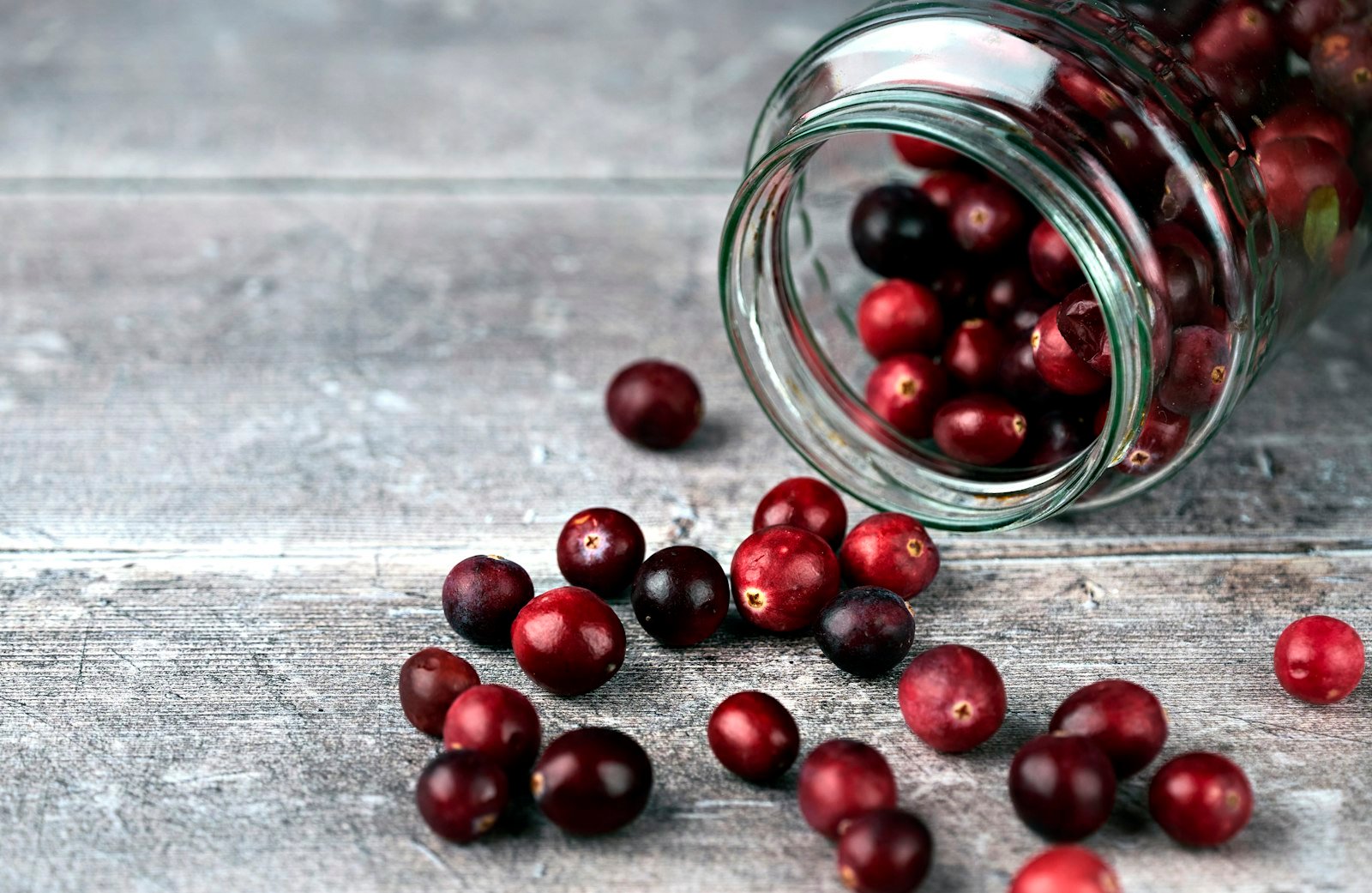
For years, people assumed cranberry juice worked by making urine more acidic. Research has since pointed to a more elegant explanation. Cranberries are unusually rich in a type of plant compound called A-type proanthocyanidins, or PACs.
In a 2007 laboratory study in The Journal of Urology, researchers including Kalpana Gupta and Amy Howell exposed urinary E. coli to cranberry PACs and then placed the bacteria next to human bladder cells. The PACs reduced the bacteria’s ability to stick to the cells in a dose-dependent way: the more PAC, the less sticking. If bacteria can’t hold on, they’re more easily flushed away when you urinate.
This is a beautiful example of a whole food working with the body rather than against bacteria directly. Cranberry doesn’t kill microbes the way an antibiotic does, which also means it isn’t expected to drive antibiotic resistance.
What the Research Shows
Cranberry Products and UTI Prevention: Cochrane Review 2023
| Group | Trials / People | Change in UTI Risk |
|---|---|---|
| All groups combined | 26 / 6,211 | About 30% lower |
| Women with recurrent UTIs | 8 / 1,555 | About 26% lower |
| Children | 5 / 504 | About 54% lower |
| People susceptible after medical procedures | 6 / 1,434 | About 53% lower |
| Older adults in care homes, pregnant women, people with bladder-emptying problems | Several small groups | No clear benefit found |
Source: Williams G, Hahn D, Stephens JH, Craig JC, Hodson EM. Cochrane Database of Systematic Reviews 2023, Issue 4, CD001321. “Cranberry products” include juice, tablets, and capsules.
The Cochrane Review
The 2023 Cochrane review, led by Gabrielle Williams and Jonathan Craig in Australia, pulled together 50 randomized trials. It reversed the lukewarm conclusion of an earlier 2012 version, because newer and better-designed trials had since been completed. Side effects were uncommon, with mild stomach upset the most frequently reported.
When cranberry was compared directly with preventive antibiotics in two small studies, the difference in infections was small or none, which is encouraging for people who’d prefer a gentler first approach. The authors called for more research in the groups where results were unclear.
A Juice Trial in Women
One of the best juice-specific trials was published in the American Journal of Clinical Nutrition in 2016. Kevin Maki and colleagues gave 373 women who’d had at least two UTIs in the previous year either one 8-ounce (240 mL) glass of low-calorie cranberry juice daily or a look-alike placebo drink for 24 weeks. The cranberry group had 39 clinical UTI episodes compared with 67 in the placebo group, a reduction of about 39% by the researchers’ analysis. The study was funded by a cranberry juice company, which is worth knowing, but it was randomized and double-blind.
How to Use Cranberry Juice Wisely
Read the Label
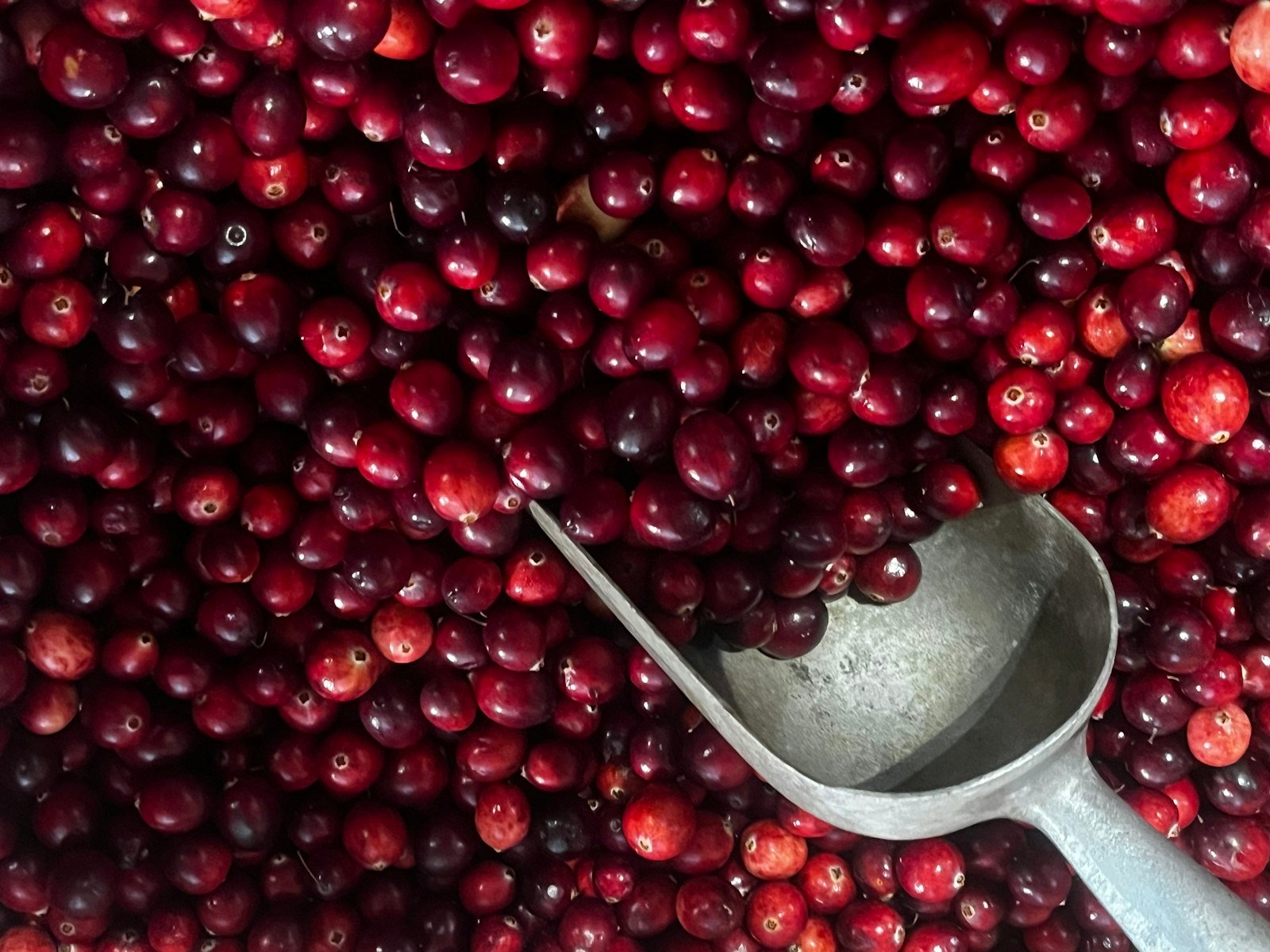
Most supermarket “cranberry cocktails” are only about a quarter cranberry and loaded with added sugar. That’s not ideal for your overall health, and sugary drinks don’t fit a whole-body approach. Look for:
- 100% pure, unsweetened cranberry juice (very tart, so you’ll want to dilute it), or
- Low-calorie cranberry juice drinks sweetened lightly, similar to what was used in the 2016 trial.
A Simple Daily Routine
- Pour about 2 to 3 ounces (60 to 90 mL) of 100% unsweetened cranberry juice into a glass.
- Top up with water or sparkling water to make an 8-ounce drink.
- If needed, add a squeeze of orange, a few slices of fresh apple juiced in, or a tiny drizzle of raw honey.
- Drink one glass daily, consistently. Prevention trials ran for months, not days.
- Drink plenty of plain water through the day as well, which helps flush the bladder.
Fresh-Pressed Cranberry Tonic
If you own a juicer, try this tart and refreshing blend: 1 cup fresh or thawed cranberries, 1 sweet apple, 1 small cucumber, and a thumb of fresh ginger. Juice everything, then stir in a little water. As we explained in our look at juicing without the downsides, fresh juice works best as a complement to whole-food meals rather than a replacement for them.
Other Habits That Support Urinary Health
- Stay well hydrated and don’t hold urine for long periods.
- Urinate soon after intercourse.
- Support your microbiome with fermented foods such as yogurt and kefir. Our article on fermented foods and inflammation explains why.
- Explore other research-backed juices for different needs, like tart cherry juice for sleep and recovery or beetroot juice for blood pressure.
The Bottom Line
Cranberries are a wonderful example of traditional wisdom confirmed by modern science. Their unique PACs help keep bacteria from clinging to the bladder wall, and a large body of clinical trials shows regular cranberry use lowers the risk of UTIs for women with recurring infections, children, and people prone to infections after procedures. Choose low-sugar juice, drink it daily, stay hydrated, and enjoy this tart North American berry as part of a whole-body approach to urinary health.
Frequently Asked Questions
Can cranberry juice cure a UTI I already have?
No. The research supports cranberry for preventing infections, not treating active ones. Symptoms like burning, fever, back pain, or blood in the urine need prompt medical attention.
Is juice or a capsule better?
The Cochrane review included juice, tablets, and capsules, and all can help. Juice adds hydration; capsules avoid sugar. Choose what fits your routine and stick with it.
How long until it works?
Most trials lasted six months to a year. Think of cranberry as a long-term daily habit.
Does it help men too?
Some trials included men, particularly after medical procedures, but most research has focused on women and children.
Safety note: If you take warfarin or another blood thinner, talk with your practitioner before drinking cranberry juice regularly, as interactions have been reported. People prone to oxalate kidney stones may also want guidance on how much is right for them.
Sources
- Williams G, Hahn D, Stephens JH, Craig JC, Hodson EM. Cranberries for preventing urinary tract infections. Cochrane Database of Systematic Reviews. 2023;4:CD001321. PMC full text
- Maki KC, Kaspar KL, Khoo C, et al. Consumption of a cranberry juice beverage lowered the number of clinical urinary tract infection episodes in women with a recent history of urinary tract infection. American Journal of Clinical Nutrition. 2016;103:1434-1442. PubMed
- Gupta K, Chou MY, Howell A, et al. Cranberry products inhibit adherence of P-fimbriated Escherichia coli to primary cultured bladder and vaginal epithelial cells. Journal of Urology. 2007;177:2357-2360. PMC
- Cochrane. Cranberries for preventing urinary tract infections (plain language summary). Cochrane
- The Pharmaceutical Journal. Cranberry juice reduces recurrent UTIs by 39%. 2016. Pharmaceutical Journal
This article is for educational purposes and is not a substitute for personalized advice from a qualified health practitioner.





