










Long before refrigerators, people preserved food by fermenting it. Koreans packed cabbage with chili and garlic to make kimchi. Germans and Eastern Europeans made sauerkraut. Caucasus mountain herders fermented milk into kefir, Japanese cooks made miso and natto, and Indian households set yogurt every night. Nearly every traditional cuisine on Earth includes living, fermented foods.
Our ancestors may not have known about microbes, but they knew these foods made them feel good. Now a groundbreaking Stanford study has shown just how powerful they can be.
Key Takeaways
- In a 10-week Stanford trial, people who ate more fermented foods increased the diversity of their gut microbiome.
- Levels of 19 inflammatory proteins in their blood fell, including interleukin-6, which is linked to chronic disease.
- Larger servings produced stronger effects.
- Kimchi, sauerkraut, kefir, yogurt, kombucha, and miso are all easy ways to start.
The Stanford Fermented Food Study
In 2021, researchers at Stanford University, led by microbiologists Justin and Erica Sonnenburg and nutrition scientist Christopher Gardner, published a study in the journal Cell. They randomly assigned 36 healthy adults to one of two diets for 10 weeks:
- A high fermented-food diet: yogurt, kefir, fermented cottage cheese, kimchi and other fermented vegetables, vegetable brine drinks, and kombucha.
- A high-fiber diet: legumes, seeds, whole grains, nuts, vegetables, and fruits.
After 10 Weeks
| Outcome | Fermented foods | High fiber |
|---|---|---|
| Gut microbiome diversity | Increased | Stayed stable |
| 19 inflammatory proteins in blood | Decreased | No decrease |
| Immune cell activation | Less activation in 4 cell types | No change |
Source: Wastyk et al., Cell, 2021.
One of the inflammatory proteins that fell was interleukin-6 (IL-6), which is linked to rheumatoid arthritis, type 2 diabetes, and chronic stress. The researchers called the results “stunning.” Fiber is still essential for long-term gut health, but this study showed fermented foods have a unique and rapid power to diversify the microbiome and calm inflammation.
Why a Diverse Microbiome Matters
Your gut is home to trillions of bacteria, fungi, and other microbes. A diverse community is generally a healthier one. Research has linked low microbial diversity with obesity, diabetes, inflammatory bowel disease, allergies, and even mood disorders. Modern diets heavy in processed foods have reduced this diversity, especially compared with traditional and hunter-gatherer populations.
Fermented foods deliver living microbes, plus compounds they produce during fermentation, which seem to help the gut ecosystem flourish and train the immune system to stay balanced.
Traditional Fermented Foods to Try
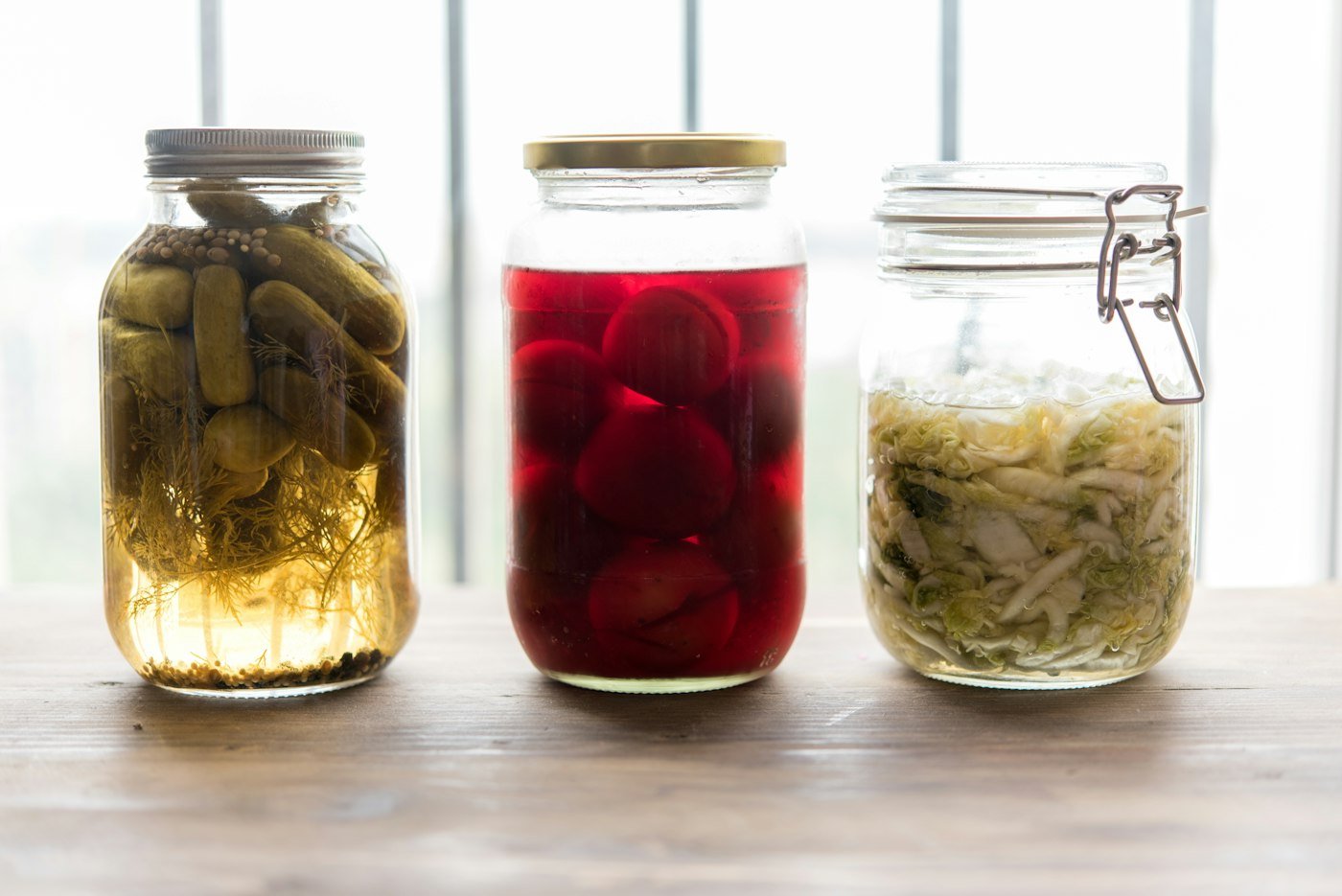
- Kimchi (Korea): spicy fermented cabbage with garlic, ginger, and chili.
- Sauerkraut (Germany and Eastern Europe): tangy fermented cabbage.
- Kefir (Caucasus): a drinkable fermented milk with dozens of microbial strains.
- Yogurt (Middle East, India, Mediterranean): choose plain, unsweetened varieties with live cultures.
- Miso (Japan): fermented soybean paste for soups and dressings.
- Kombucha (Northeast Asia): fizzy fermented tea. Choose low-sugar versions.
- Tempeh (Indonesia): a firm, nutty fermented soybean cake.
- Fermented pickles: made with salt brine, not vinegar.
How to Add More to Your Diet
- Start small, with a spoonful or two a day, and build up over a few weeks to several servings daily, as in the study.
- Add a forkful of sauerkraut or kimchi to eggs, sandwiches, grain bowls, and salads.
- Drink a small glass of kefir in the morning or blend it into smoothies.
- Stir miso into soups after cooking (boiling destroys live cultures).
- Look for “raw,” “unpasteurized,” or “live cultures” on labels. Shelf-stable pickles and sauerkraut are often pasteurized.
- Try making your own. Sauerkraut needs only cabbage, salt, and a jar.
Fermented Foods and Fiber: Better Together
Fermented foods bring new microbes; fiber feeds them. The best approach includes both. Read our guide to fiber and the fibermaxxing trend, and learn how to reset your gut health with small changes. For digestive comfort, see our article on peppermint oil for IBS.
The Bottom Line
Traditional cultures were right to treasure their fermented foods. The Stanford study showed that eating more kimchi, kefir, yogurt, sauerkraut, and kombucha increased gut microbiome diversity and calmed inflammation in just 10 weeks. Adding a few servings of these living foods to your day is one of the most delicious ways to support whole-body health.
Frequently Asked Questions
How many servings should I eat?
Participants worked up to an average of about six servings a day, and more servings brought stronger effects. Even one or two daily servings is a great start.
Are probiotic supplements the same?
Supplements contain a few selected strains. Fermented foods offer a wider variety of microbes and beneficial compounds.
Can fermented foods cause bloating?
Some people notice gas when they start. Begin with small amounts and increase gradually.
A note on sensitivities: Fermented foods are high in histamine, so people with histamine intolerance may need to go slowly. Kimchi and sauerkraut can be salty, so choose lower-sodium versions if you are watching salt.
Sources
- Wastyk HC, Fragiadakis GK, Perelman D, et al. Gut-microbiota-targeted diets modulate human immune status. Cell, 2021.
- Stanford Medicine. Fermented-food diet increases microbiome diversity, decreases inflammatory proteins, study finds. July 2021.
This article is for educational purposes and is not a substitute for personalized advice from a qualified health practitioner.