
Long before pharmacy shelves filled with cold remedies, families had their own winter rituals. In much of Europe, the elder tree grew by the back door, and its dark berries were cooked into syrups to see households through the cold months. In other traditions it was ginger and honey, bone broth, or fermented vegetables put up at harvest time. The idea behind all of them was the same: help the body meet the season’s germs from a position of strength.
Today, as respiratory virus season returns, many readers are weighing their own choices about flu and other vaccines. Whatever you decide, your immune system still does the daily work of meeting viruses, and there is solid research on simple, natural ways to support it. This guide looks at five of the best-studied options, elderberry, zinc, probiotics, vitamin C, and vitamin D, and is honest about where the evidence is strong and where it is still modest.
Key Takeaways
- A 2022 Cochrane review of 23 trials found that people taking probiotics were about 24% less likely to catch an upper respiratory infection and about 42% less likely to need antibiotics for one.
- Zinc lozenges taken at the very first sign of a cold shortened colds by roughly a third in pooled trials.
- In a trial of long-haul air travelers, those taking elderberry extract had about half as many sick days as those on placebo when they did catch a cold.
- Regular vitamin C slightly shortens colds (about 8% in adults and 14% in children) and roughly halves cold risk in people under heavy physical stress.
- Vitamin D matters most if you are low in it; the latest large analysis found only a small, borderline effect for the general population.
- These are supports for your overall approach to the season, not replacements for any treatment or for the choices you make with your health practitioner.
Your Immune System Is a Whole-Body System
Immunity is not a single switch. Your gut lining, the bacteria that live there, the mucous membranes in your nose and throat, your nutrient stores, your sleep, and your stress levels all shape how well you fend off a virus and how quickly you recover. That is why traditional medicine systems, from Ayurveda to Traditional Chinese Medicine, have always treated seasonal resilience as a matter of the whole person rather than a single remedy.
We covered the foundations, sleep, movement, and nutrition, in our guide to preparing your immune system naturally. This article builds on that with specific foods, herbs, and nutrients that have been tested in controlled trials.
Five Natural Allies With Research Behind Them
1. Probiotics: Supporting Immunity From the Gut
A large share of the body’s immune tissue lines the digestive tract, so it makes sense that the gut’s microbes influence how we respond to respiratory infections. In 2022, Cochrane, an organization known for its cautious reviews, updated its analysis of probiotics for preventing upper respiratory infections. Pooling 23 randomized trials with nearly 7,000 children, adults, and older people, the reviewers found that probiotics reduced the number of people who got at least one infection by about 24%. Those who did get sick were ill for about a day less on average, and about 42% fewer needed antibiotics. Side effects were minor and mostly digestive.
The certainty of evidence was rated low to moderate, mainly because the trials used many different strains. Still, for a gentle, food-based habit, these are encouraging numbers. Traditional fermented foods such as yogurt, kefir, sauerkraut, and kimchi carry the same spirit; a Stanford study we covered found that a diet rich in fermented foods calmed markers of inflammation.
2. Zinc Lozenges: Timing Is Everything
Zinc helps immune cells function and appears to interfere with how cold viruses multiply in the throat. Finnish researcher Harri Hemilä has spent years studying zinc lozenges. His 2017 analysis in JRSM Open pooled seven randomized trials and found that zinc acetate lozenges shortened colds by about 40% and zinc gluconate by about 28% (closer to 38% once one outlying trial was set aside). Daily doses of roughly 80 to 92 mg of elemental zinc worked as well as higher doses.
The key is to start within 24 hours of the first scratchy throat and let the lozenge dissolve slowly in your mouth. Zinc is a short-term tool for the duration of a cold, not something to take at these doses all winter.
3. Elderberry: The Folk Remedy Put to the Test
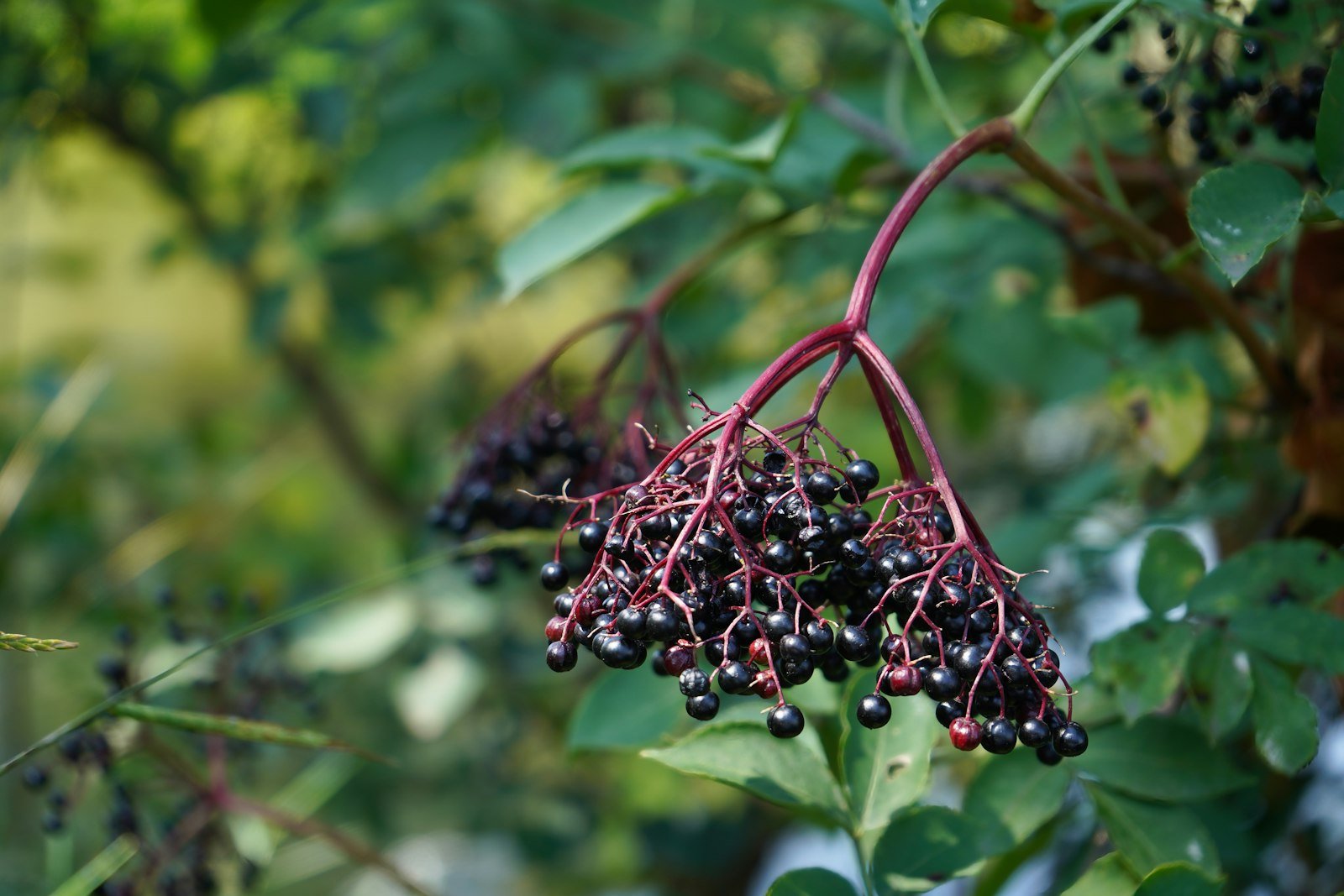
Black elderberry (Sambucus nigra) is rich in deep purple anthocyanins, the same family of plant pigments found in blueberries and blackcurrants. Laboratory studies suggest elderberry compounds can interfere with how some viruses enter cells, and human trials have begun to back up the folk tradition.
In a 2016 randomized, double-blind trial published in Nutrients, Australian researchers gave 312 economy-class passengers on long-haul flights either elderberry extract or a placebo, starting ten days before travel. The number of people who caught a cold did not differ significantly between groups. But those on placebo racked up 117 sick days compared with 57 in the elderberry group, and their total symptom scores were more than twice as high. A 2019 meta-analysis in Complementary Therapies in Medicine, covering 180 participants across randomized trials, likewise concluded that elderberry substantially reduced upper respiratory symptoms.
The studies are small and more research is needed, but elderberry’s long safety record as a cooked food makes it a reasonable seasonal ally.
4. Vitamin C: Small but Steady Benefits
Vitamin C is one of the most studied nutrients in history. The Cochrane review by Hemilä and Chalker pooled dozens of trials and found that, for most people, taking vitamin C regularly does not prevent colds. However, it did shorten them by about 8% in adults and 14% in children. For people under heavy physical stress, such as marathon runners, skiers, and soldiers in subarctic training, regular vitamin C cut the risk of catching a cold roughly in half.
Food sources are easy to work into winter meals: citrus, kiwifruit, bell peppers, broccoli, and fresh herbs like parsley.
5. Vitamin D: Most Helpful If You Are Running Low
Vitamin D, the “sunshine vitamin,” helps the body produce natural antimicrobial proteins. Because winter sunlight is weak at higher latitudes, many people’s levels drop just as virus season peaks. An earlier 2021 meta-analysis found a small protective effect against respiratory infections. A 2025 update in The Lancet Diabetes & Endocrinology, pooling 40 trials and more than 61,000 people, found a similar small trend (about 6% lower odds), but it was no longer statistically significant. In plain terms, vitamin D is unlikely to be a powerful shield for well-nourished people, but correcting a real deficiency remains a sensible part of whole-body health.
At a Glance: What the Research Shows
| Natural option | Key finding | Strength of evidence |
|---|---|---|
| Probiotics | About 24% fewer people with an infection; 42% less antibiotic use (23 trials) | Low to moderate |
| Zinc lozenges | Colds roughly 28 to 40% shorter when started early (7 trials) | Moderate |
| Elderberry | Fewer sick days and milder symptoms in air travelers | Promising, small trials |
| Vitamin C | Colds 8% shorter in adults, 14% in children; halved risk under heavy physical stress | Strong (large review) |
| Vitamin D | Small, borderline effect overall; most useful if deficient | Strong data, modest effect |
How to Build Your Seasonal Immune Routine
- Feed your gut daily. Include a serving of live-culture food such as yogurt, kefir, miso, or sauerkraut, along with plenty of fiber from vegetables, beans, and whole grains to nourish those microbes.
- Eat vitamin C every day. Aim for several servings of colorful fruits and vegetables. Regular intake matters more than large doses once you already feel sick.
- Check your vitamin D. If you spend little time outdoors or live far from the equator, a simple blood test can tell you whether you need to top up.
- Keep zinc lozenges on hand. Start them within a day of the first symptoms and stop when the cold resolves, usually within a week.
- Make or buy a quality elderberry syrup. Use commercially prepared products or cook ripe berries thoroughly, never eating them raw.
- Soothe symptoms the traditional way. Warm fluids, rest, and a spoonful of honey all help; research even shows honey eases coughs better than many usual-care options.
- Protect the foundations. Seven to nine hours of sleep, daily movement, and time to decompress keep every other strategy working better.
The Bottom Line
Nature offers real, research-backed support for the cold and flu season. Probiotics and fermented foods help the gut-immune connection, zinc lozenges can shorten a cold when used early, elderberry shows promise for milder symptoms, vitamin C trims illness time, and vitamin D matters most for those who are low. None of these is a magic shield, and none is meant to replace your other choices, but together with good sleep, nourishing food, and rest, they help your body do what it was designed to do.
Frequently Asked Questions
Can I use these natural approaches alongside a flu shot or other vaccines?
Yes. Nutrition, probiotics, and the other supports in this article are part of everyday healthy living and can fit alongside any vaccination choices you make. Some research has even explored whether probiotics influence vaccine responses, an area still being studied.
When should I start taking elderberry?
In the air-travel trial, participants began ten days before their trip. Many people use elderberry during the peak months of virus season or at the first sign of symptoms.
Which probiotic strain is best?
The trials used many different strains, mostly from the Lactobacillus and Bifidobacterium families, so no single “best” strain has emerged. Fermented foods provide a variety of beneficial microbes along with nutrients.
Should I take high-dose vitamin C when I feel a cold coming on?
The evidence for starting vitamin C only after symptoms appear is weaker than for regular daily intake. Consistent intake from food or a modest supplement is the better-supported approach.
Safety note: Raw or unripe elderberries, along with the leaves and stems, contain compounds that can cause nausea and vomiting, so only use properly cooked berries or commercial products. Use zinc lozenges only short-term, as long-term high doses can deplete copper, and avoid zinc nasal sprays, which have been linked to loss of smell. If you are pregnant, have an autoimmune condition, or take immune-suppressing medication, check with your practitioner before adding elderberry or probiotic supplements.
Sources
- Zhao Y, Dong BR, Hao Q. Probiotics for preventing acute upper respiratory tract infections. Cochrane Database of Systematic Reviews, 2022.
- Hemilä H. Zinc acetate and zinc gluconate lozenges shorten common cold duration similarly. JRSM Open, 2017 (ScienceDaily summary).
- Tiralongo E, Wee SS, Lea RA. Elderberry supplementation reduces cold duration and symptoms in air-travellers: a randomized, double-blind placebo-controlled clinical trial. Nutrients, 2016.
- Hawkins J, et al. Black elderberry (Sambucus nigra) supplementation effectively treats upper respiratory symptoms: a meta-analysis of randomized, controlled clinical trials. Complementary Therapies in Medicine, 2019.
- Hemilä H, Chalker E. Vitamin C for preventing and treating the common cold. Cochrane Database of Systematic Reviews, 2013.
- Jolliffe DA, et al. Vitamin D supplementation to prevent acute respiratory infections: systematic review and meta-analysis of stratified aggregate data. The Lancet Diabetes & Endocrinology, 2025.
This article is for educational purposes and is not a substitute for personalized advice from a qualified health practitioner.