





Long before anyone measured calories, many of the world’s food cultures opened a meal the same way: with something light, warm and watery. Japanese households set out a bowl of miso soup. Italian families start with a minestrone or a plate of greens. Cantonese cooks simmer a clear broth for hours and serve it before or alongside the rice, and French home cooking has its humble vegetable potage. Ayurveda, India’s traditional system of medicine, adds a related piece of advice found in its classical texts: fill the stomach with food and liquid, but leave room so digestion is never overwhelmed.
It turns out these customs line up remarkably well with modern appetite research. Studies from Penn State’s Laboratory for the Study of Human Ingestive Behavior, along with trials in the United States and the United Kingdom, show that beginning a meal with a low-calorie soup, a vegetable salad, a whole piece of fruit or a couple of glasses of water can trim how much you eat at that meal, often without you feeling deprived. This tutorial walks you through how to put the “start light” method to work, step by step, just in time for the holiday season.
Key Takeaways
- Eating a bowl of low-calorie vegetable soup before lunch cut total meal calories by 20% in a Penn State study of 60 adults.
- A large, lightly dressed salad eaten before the main course reduced calories at the meal by about 11% to 12% in two Penn State trials, while raising vegetable intake.
- A whole apple before a meal lowered total calories by 15%, and worked better than applesauce or apple juice.
- Drinking about 500 ml (2 cups) of water before meals added roughly 2 kg (about 4.4 lb) of extra weight loss over 12 weeks in a trial of older adults on a reduced-calorie diet.
- The key is “energy density”: foods heavy in water and fiber fill you up for few calories, so they leave less room for richer foods.
Why Starting Light Works: The Science of Energy Density
Your stomach and brain do not count calories. They respond to volume, stretch, chewing time, fiber and the slow arrival of nutrients in the gut. Foods that are full of water and fiber, such as broth-based soups, leafy greens, cucumbers, tomatoes and whole fruit, take up a lot of room while delivering very few calories. Nutrition scientists call this low “energy density,” meaning few calories per gram of food.
When you begin a meal with one of these foods, a few things happen at once. Your stomach starts to fill. You slow down, because soup is sipped and salad has to be chewed. Fullness hormones begin to rise during the 15 to 20 minutes it takes for satiety signals to reach the brain. By the time the richer main course arrives, you are simply less hungry, and most people naturally serve themselves less. This is the same principle behind the fiber-and-vegetable focus in our fat-loss plate tutorial, applied to the order in which you eat.
What the Research Shows
Soup: 20% fewer calories at lunch
In a study published in the journal Appetite in 2007, Julie Flood and Barbara Rolls at Penn State served 60 adults lunch once a week for five weeks. On some days volunteers first ate a vegetable soup made from the same ingredients but prepared four different ways, from a clear broth with separate vegetables to a smooth purée. On another day they had no soup. Fifteen minutes later everyone could eat as much cheese tortellini as they liked. When soup came first, volunteers ate 20% fewer total calories at lunch, about 134 calories less, even after counting the soup itself. Every style of soup worked, so you can choose the texture you enjoy most.
Salad: more vegetables, fewer calories
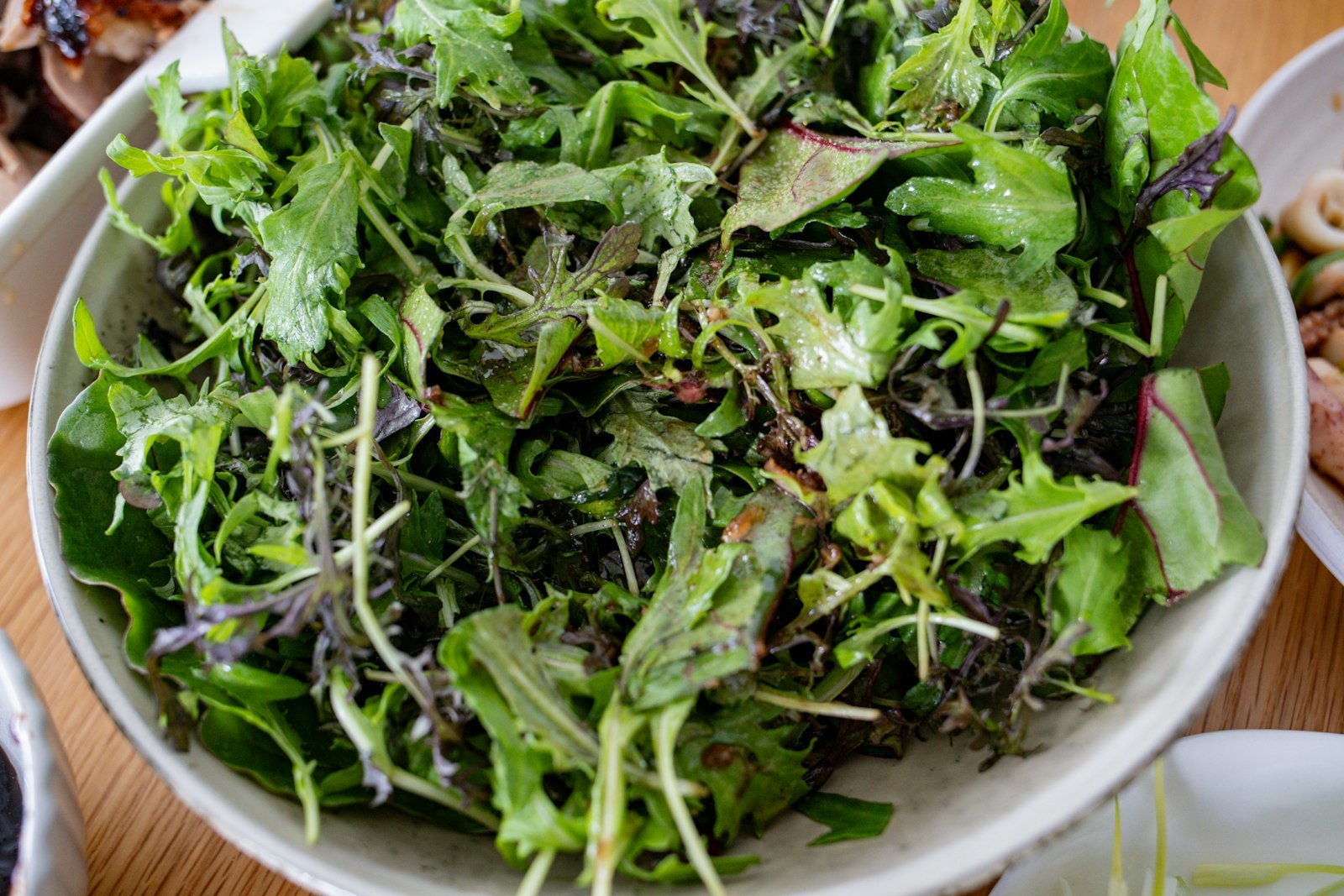
Rolls’s team found similar results with salad. An earlier study from the lab showed that a large, low-calorie salad served 20 minutes before a pasta meal cut total meal calories by an average of 12%. A follow-up trial with 46 women, published in Appetite in 2012, served a 100-calorie salad either before or with the pasta. When women ate the full portion of salad, their total calories fell by 11% and their vegetable intake rose by 23%. One useful lesson: the benefit came from actually finishing a generous portion of greens, so make the salad big and the dressing light.
Whole fruit: an apple beats the juice
In a 2009 Appetite study, 58 adults ate an apple in different forms 15 minutes before lunch: fresh apple slices, applesauce, apple juice with added fiber, or plain apple juice. Eating the whole apple reduced total lunch calories by 15%, about 187 calories, compared with having no apple at all. The fresh fruit also beat the applesauce and both juices and produced the strongest feeling of fullness. Chewing and intact fruit structure appear to matter, which is one more reason traditional diets favor whole foods over their processed versions.
Water: a simple habit with measurable results
Water is the easiest “first course” of all. Researchers at Virginia Tech led by Elizabeth Dennis enrolled 48 adults aged 55 to 75 who were following a reduced-calorie diet. Half also drank 500 ml of water (about two cups) before each of their three daily meals. Over 12 weeks, the water group lost about 2 kg more than the diet-only group, a 44% greater drop in weight. The study appeared in the journal Obesity in 2010.
A University of Birmingham trial reported in Obesity in 2015 tested the same idea in 84 adults with obesity recruited through family doctors. Those asked to drink 500 ml of water half an hour before main meals lost an average of 1.3 kg more over 12 weeks than a comparison group. Consistency made the biggest difference: people who drank water before all three main meals lost an average of 4.3 kg, while those who did it once a day or not at all lost only about 0.8 kg.
The Evidence at a Glance
| “Starter” | Study | Who | Result |
|---|---|---|---|
| Vegetable soup | Flood & Rolls, Appetite 2007 | 60 adults | 20% fewer calories at lunch |
| Green salad (100 kcal) | Roe, Meengs & Rolls, Appetite 2012 | 46 women | 11% fewer calories; 23% more vegetables |
| Whole apple | Flood-Obbagy & Rolls, Appetite 2009 | 58 adults | 15% fewer calories; beat juice and applesauce |
| 500 ml water, 3x daily | Dennis et al., Obesity 2010 | 48 adults, 55–75 | ~2 kg extra loss in 12 weeks (44% greater) |
| 500 ml water before meals | Parretti et al., Obesity 2015 | 84 adults with obesity | 1.3 kg extra loss in 12 weeks |
The Tutorial: Start Light in 6 Simple Steps
Step 1: Pick one meal to start with
Choose the meal where you usually feel hungriest or tend to overeat. For many people that is dinner. Starting with one meal makes the habit easy to remember, and you can add more once it feels automatic.
Step 2: Drink two glasses of water 20 to 30 minutes before
Pour about 500 ml (two standard glasses) of plain water, sparkling water or unsweetened herbal tea, and drink it before you sit down. Pair it with something you already do, such as setting the table or starting to cook. The Birmingham results suggest that doing this before every main meal matters more than doing it perfectly.
Step 3: Make a big pot of broth-based vegetable soup
Once a week, cook a large pot of soup to use as your starter. Begin with onion, garlic and celery softened in a little olive oil, then add low-sodium broth and plenty of vegetables: carrots, zucchini, cabbage, tomatoes, spinach, kale or mushrooms. Season with herbs and warming spices such as ginger, turmeric, black pepper, thyme or bay leaf. Skip the cream, cheese and large amounts of pasta or potato so the soup stays light. A serving of about 1 to 1.5 cups is plenty. Keep in mind that blended, puréed or chunky soups all worked in the research, so make what you love.
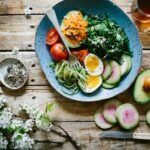
Step 4: Or build a large, lightly dressed salad
On non-soup days, fill a bowl with at least two to three cups of leafy greens, cucumber, tomato, shredded carrot, radish and bell pepper. Dress it with a squeeze of lemon, a splash of vinegar and a teaspoon or two of olive oil. Heavy dressings, cheese, croutons and candied nuts can quietly turn a 100-calorie salad into a 500-calorie one, so save those for the main course if you want them.
Step 5: Keep fruit on hand for quick starters
When there is no time for soup or salad, eat a whole apple, pear or orange 15 minutes before your meal. Choose whole fruit over juice, since chewing and fiber are part of what makes it filling.
Step 6: Pause, then eat the main course mindfully
After your starter, wait a few minutes before serving the main course, and serve yourself a modest first portion. You can always go back for more if you are truly still hungry. This pause pairs beautifully with the practices in our guide to mindful, slow eating. Make sure the main course still includes a palm-sized serving of protein, which keeps you full for hours, as we explain in Protein Power for Weight Loss.
Using the Method at Holiday Meals
Thanksgiving and the winter holidays are the perfect time to try this. Offer a pot of butternut squash or vegetable soup, or a large green salad, as the first course at a family dinner. Drink a couple of glasses of water while the turkey rests. You will still enjoy the stuffing, the potatoes and the pie, just in more comfortable amounts. Many families find a warm first course also makes the meal feel more relaxed and traditional.
Tips for Making It Stick
- Batch and store: Freeze soup in single-serving jars so a starter is always ready in two minutes.
- Prep salad kits: Wash and chop vegetables on the weekend. Our kitchen reset tutorial shows how to set up your fridge so healthy choices come first.
- Watch the sodium: Choose low-sodium broth, or make your own, and season with herbs, garlic, lemon and spices.
- Track how you feel: Note your hunger before and after meals for a week or two. A simple food journal makes the changes easy to see.
The Bottom Line
Starting your meal with a light, water-rich food is one of the simplest natural weight-loss habits there is, and it echoes traditions that have nourished people for centuries. A bowl of vegetable soup, a big salad, a whole piece of fruit or a couple of glasses of water can help you eat less at the meal that follows, with no special products and no strict rules. The results are modest at any single meal, but repeated day after day, they add up. Pick one meal, pick one starter, and give it two weeks.
Frequently Asked Questions
Does the soup have to be homemade?
No, but homemade gives you control over sodium, cream and added starches. If you buy soup, choose a broth-based vegetable variety with no cream and check the label for lower sodium.
Will drinking water with meals hurt my digestion?
For most healthy people, there is no good evidence that water before or with meals impairs digestion. In the trials above, water was taken shortly before meals. If you feel too full or bloated, start with one glass and build up.
Can I eat soup or salad as my whole meal instead?
You can occasionally, but this method works best as a first course followed by a balanced main dish with protein, vegetables and healthy fats. That way you stay satisfied and well nourished.
How long until I see results?
The water trials measured weight changes over 12 weeks. Give the habit at least a few weeks, and pay attention to how much less you serve yourself at the main course.
Safety note: If you have been told to limit fluids (for example, for heart failure or kidney disease), or to limit sodium for high blood pressure, adjust the water and broth amounts to fit the guidance you already follow.
Sources
- Flood JE, Rolls BJ. Soup preloads in a variety of forms reduce meal energy intake. Appetite. 2007;49(3):626–634.
- Roe LS, Meengs JS, Rolls BJ. Salad and satiety: the effect of timing of salad consumption on meal energy intake. Appetite. 2012;58(1):242–248.
- Flood-Obbagy JE, Rolls BJ. The effect of fruit in different forms on energy intake and satiety at a meal. Appetite. 2009;52(2):416–422.
- Dennis EA, Dengo AL, Comber DL, et al. Water consumption increases weight loss during a hypocaloric diet intervention in middle-aged and older adults. Obesity. 2010;18(2):300–307.
- Parretti HM, et al. Efficacy of water preloading before main meals as a strategy for weight loss in primary care patients with obesity: RCT. Obesity. 2015.
- University of Birmingham. News release on the water preloading trial. August 26, 2015.
This article is for educational purposes and is not a substitute for personalized advice from a qualified health practitioner.