
Pomegranate and Urolithin A: How an Ancient Fruit and Your Gut Bacteria May Support Aging Muscles and Immunity
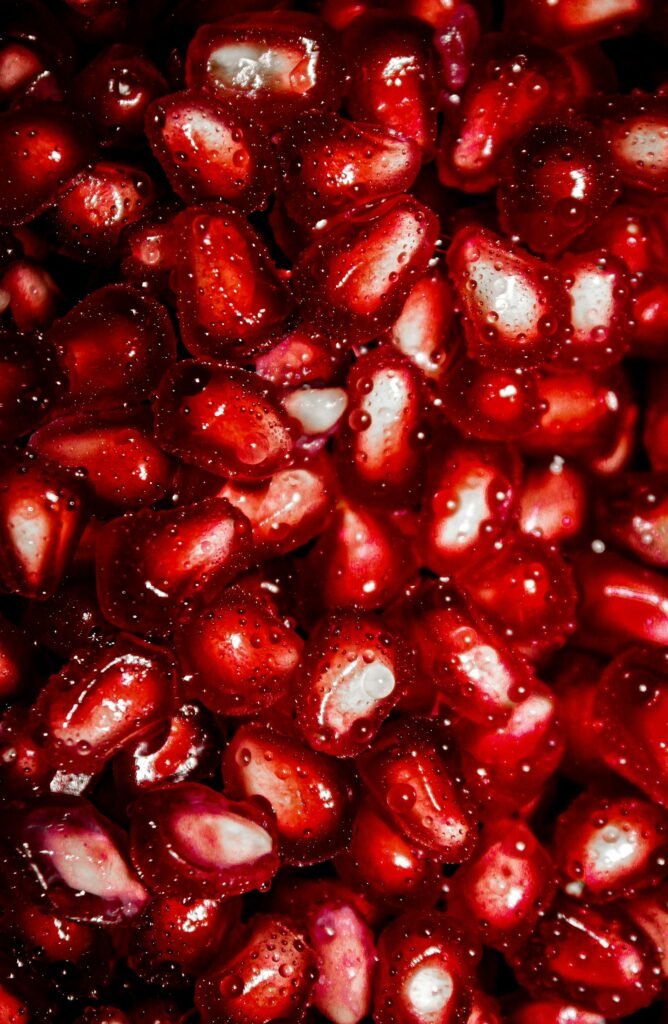
Pomegranates hold compounds your gut bacteria can turn into urolithin A, a molecule now being tested for aging muscles and immune cells. Here is what the human trials found, why not everyone makes it, and how to feed this partnership from your plate.
Eat 30 Plants a Week: How Plant Variety Feeds a Healthier Gut Microbiome
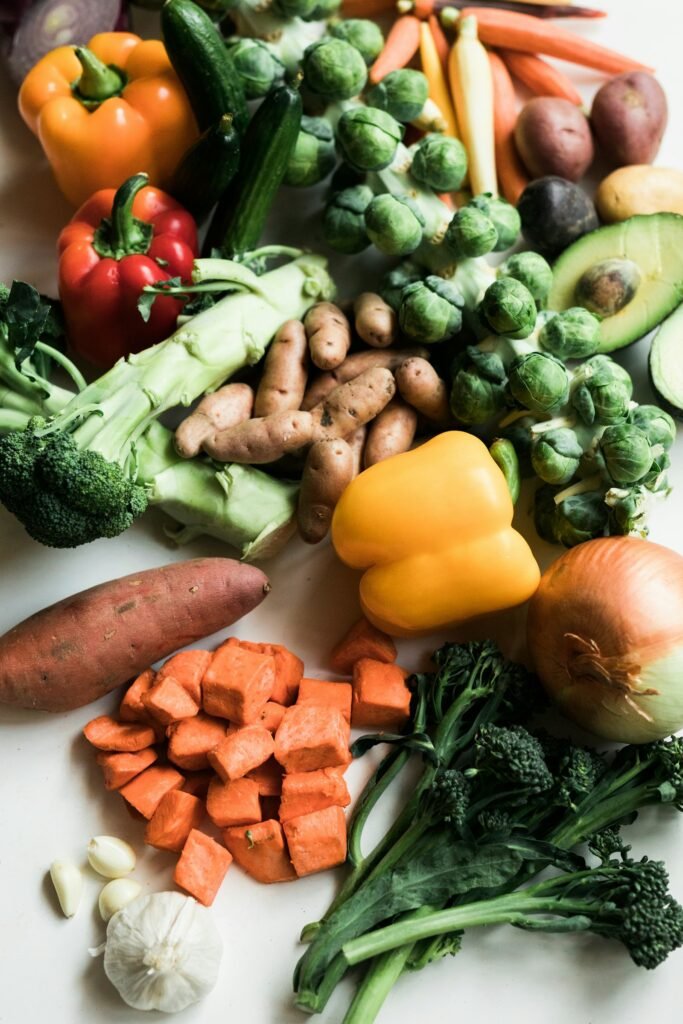
The American Gut Project found that people eating 30 or more different plants a week had more diverse gut microbes. Here is the science, the traditional roots, and easy ways to count herbs, spices, nuts, seeds, beans and grains toward your 30.
Fiber and Whole Grains: The Everyday Habit Linked to Lower Colorectal Cancer Risk
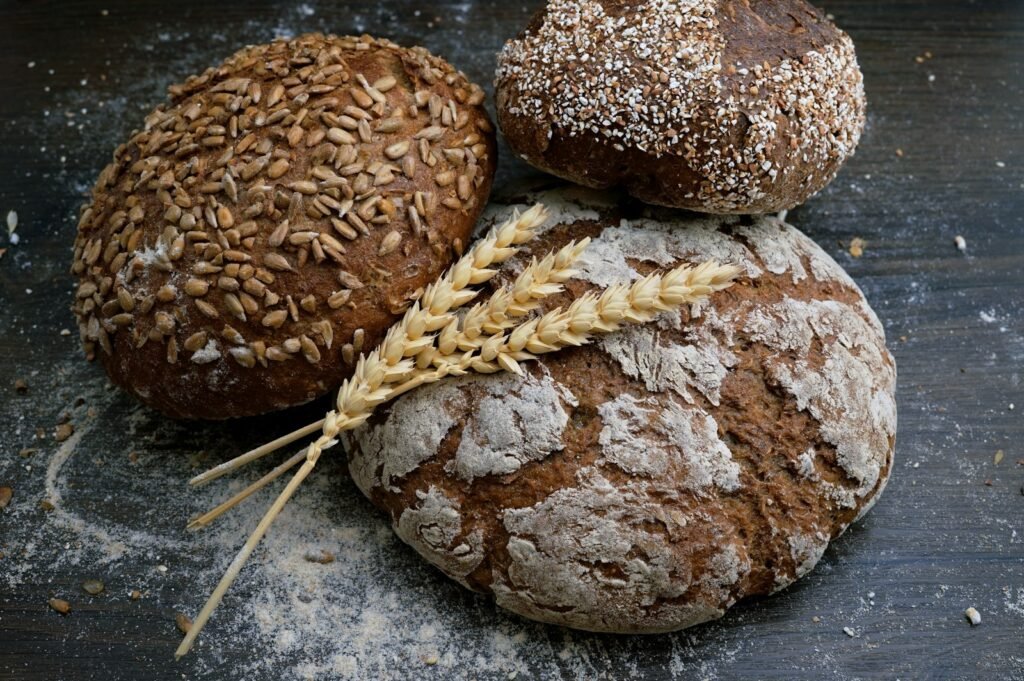
Reviews covering millions of people link fiber-rich diets to about a 16% lower risk of colorectal cancer, with whole grains leading the way. Here’s how fiber feeds your gut’s protective microbes and how to reach 30 grams a day.
Fermented Foods: The Stanford Study That Showed Kimchi and Kefir Calm Inflammation
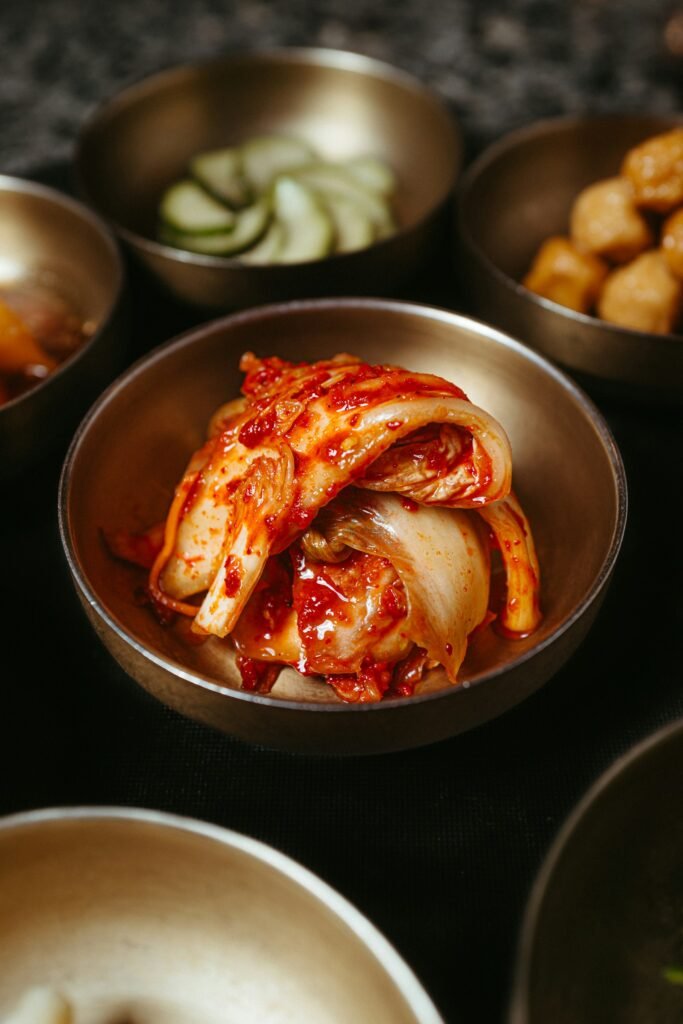
Every traditional culture has its fermented foods. A Stanford trial found that eating more of them for 10 weeks increased gut microbiome diversity and lowered 19 inflammatory proteins in the blood. Here’s how to add these living foods to your table.
Juicing Without the Downsides: What a 3-Day Juice Cleanse Study Teaches Us
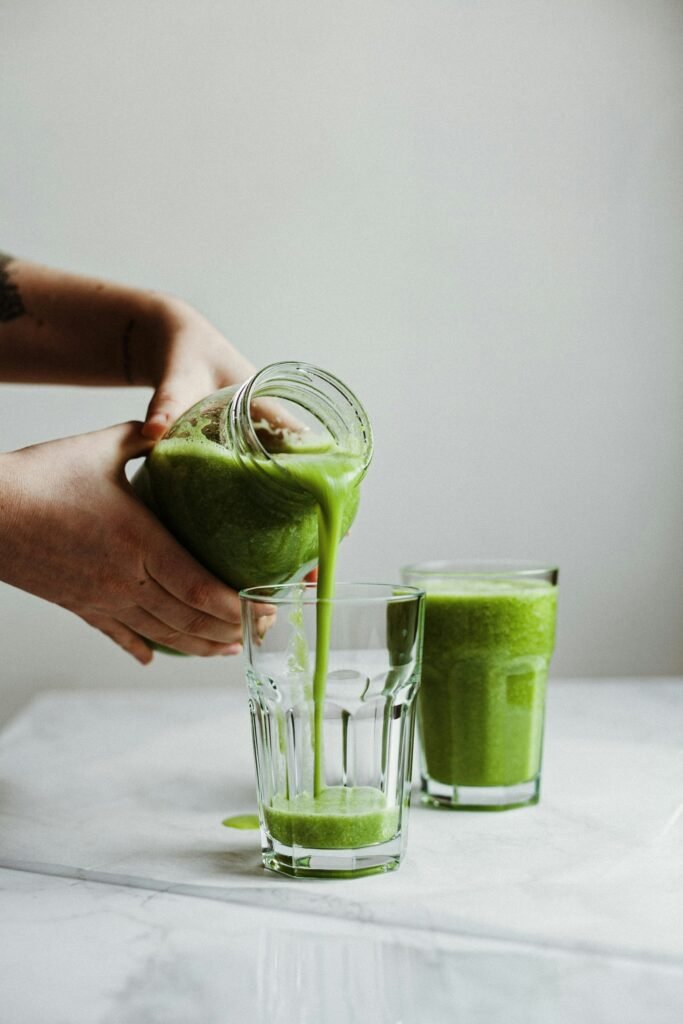
A Northwestern University study found that just three days of a juice-only diet shifted mouth and gut bacteria toward patterns linked with inflammation. Here’s why, and how to enjoy fresh juice in a way that supports your health instead of undermining it.