










Many people trying to lose weight give up because tracking every calorie feels like a second job. The good news: you do not need an app or a food scale to eat for weight loss. All you need is a plate.
The plate method is used by dietitians and diabetes educators around the world. It works by changing the proportions on your plate, so you naturally eat fewer calories while still feeling full. In this tutorial, we will walk through it step by step and explain the science behind each step.
Key Takeaways
- Fill half your plate with non-starchy vegetables, a quarter with lean protein, and a quarter with high-fiber carbohydrates.
- Add a thumb-sized portion of healthy fat and drink water.
- Foods high in water and fiber let you eat larger portions for fewer calories.
- Protein and fiber keep you full longer, which makes it easier to eat less without feeling deprived.
- Use a 9-to-10-inch plate to keep portions in check.
Why the Plate Method Works
Weight loss ultimately comes down to eating fewer calories than you burn. As we explained in our look at intermittent fasting, even fasting works mainly by reducing calories. The trick is to eat less without constant hunger.
Research by Dr. Barbara Rolls and colleagues at Penn State University has shown that people tend to eat a fairly consistent weight or volume of food. By filling your plate with foods that are high in water and fiber, which have a low “energy density,” you can eat a satisfying amount of food for fewer calories. In one of their studies, eating a large, low-calorie salad before a pasta meal reduced total calories eaten at that meal.
The plate method builds this idea into every meal, with no math required.
Your Fat-Loss Plate at a Glance
| Plate section | What goes there | Why |
|---|---|---|
| 1/2 plate | Non-starchy vegetables | Volume and fiber for very few calories |
| 1/4 plate | Lean protein | Keeps you full; protects muscle |
| 1/4 plate | High-fiber carbohydrate | Energy and fiber without excess calories |
| Small add-on | Healthy fat (about 1 thumb) | Flavor and nutrient absorption |
| Drink | Water or unsweetened tea/coffee | No hidden liquid calories |
Step 1: Start With the Right Plate
Choose a 9-to-10-inch dinner plate, about the length of a standard sheet of paper’s short side. Many modern plates are 11 to 12 inches, which makes it easy to serve more than you need without noticing. If your plates are large, use a salad plate for main meals.
Step 2: Fill Half With Non-Starchy Vegetables
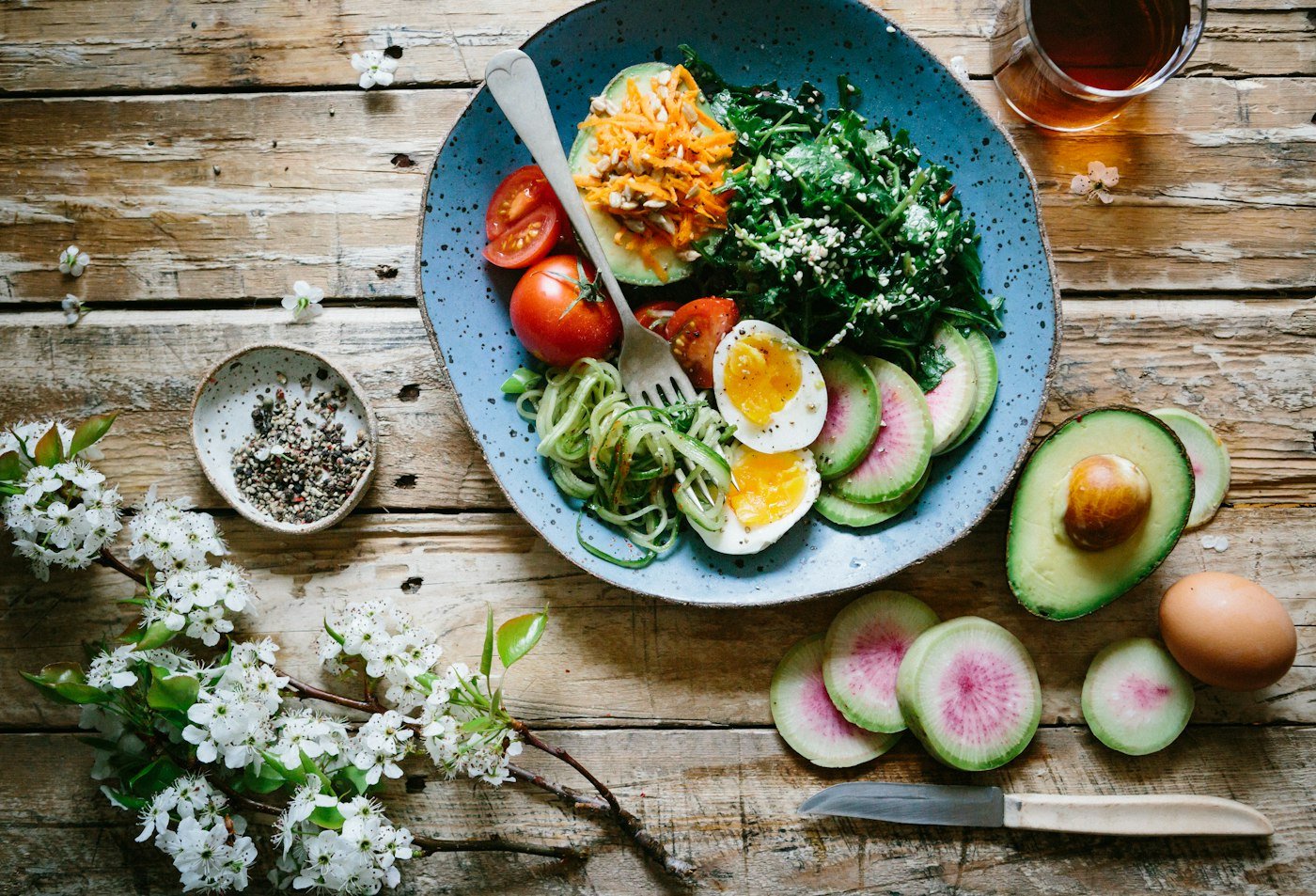
This is the most important step. Non-starchy vegetables are high in water and fiber and very low in calories. Options include:
- Leafy greens: spinach, lettuce, kale, arugula
- Broccoli, cauliflower, Brussels sprouts, cabbage
- Peppers, tomatoes, cucumbers, zucchini, mushrooms, onions
- Green beans, asparagus, carrots
Tip: Frozen vegetables are just as nutritious and save time. Roast a big tray at the start of the week, or keep bagged salad on hand. Season with herbs, garlic, lemon, or spices instead of heavy sauces.
Step 3: Fill a Quarter With Lean Protein
Protein is the most filling nutrient and helps protect muscle while you lose weight. Aim for a portion about the size and thickness of your palm, roughly 25 to 30 grams of protein for most adults. Good choices:
- Chicken or turkey breast, fish, shrimp
- Eggs or egg whites
- Beans, lentils, tofu, tempeh
- Lean beef or pork
- Greek yogurt or cottage cheese
Want to understand protein better? Read our guide to the smartest way to use protein.
Step 4: Fill a Quarter With High-Fiber Carbohydrates
Carbohydrates are not the enemy, but portion size and type matter. Choose fiber-rich options, about the size of your cupped hand:
- Brown rice, quinoa, barley, whole-wheat pasta
- Potatoes or sweet potatoes with skin
- Whole-grain bread
- Corn, peas, or beans (if not already your protein)
- Fruit
Fiber is one of the most powerful tools for appetite control. Learn more in our article on the science of fiber.
Step 5: Add a Little Healthy Fat and the Right Drink
A small amount of fat makes meals tastier and helps your body absorb vitamins A, D, E, and K. Aim for about a thumb-sized portion: a drizzle of olive oil, a few slices of avocado, a sprinkle of nuts or seeds, or some cheese. Fat is calorie-dense, so this is where portions creep up fastest.
Drink water, sparkling water, or unsweetened tea or coffee with your meal. Sugary drinks and alcohol add calories without filling you up.
Putting It Together: Sample Plates
- Breakfast: Two eggs (protein), sautéed spinach and tomatoes (vegetables), and a slice of whole-grain toast (carbohydrate), with a few avocado slices.
- Lunch: Big leafy salad with cucumbers and peppers (vegetables), grilled chicken (protein), and a scoop of chickpeas or quinoa (carbohydrate), with olive oil and lemon dressing.
- Dinner: Baked salmon (protein), roasted broccoli and carrots (vegetables), and a small baked potato (carbohydrate).
Bonus Tips for Better Results
- Eat your vegetables first. Starting with the high-fiber part of the plate helps you feel full sooner.
- Slow down. It takes about 20 minutes for fullness signals to reach your brain.
- Avoid seconds of everything except vegetables.
- Plan snacks using the same idea: pair a protein with a fruit or vegetable, like an apple with cheese.
- Pair with movement. Combining smarter eating with regular activity, like Japanese interval walking, improves results.
- Be patient. A safe rate of weight loss is about 0.5 to 1 kilogram (1 to 2 pounds) per week.
For more ideas, see our 50 strategies for easy weight loss tutorial.
The Bottom Line
The plate method turns weight loss science into a simple daily habit. Fill half your plate with vegetables, a quarter with protein, and a quarter with fiber-rich carbohydrates, add a touch of healthy fat, and drink water. You will eat satisfying meals, feel full, and naturally reduce calories, without counting a single one.
Frequently Asked Questions
Can I use the plate method for every meal?
Yes. It works for breakfast, lunch, and dinner, and can be adapted for bowls, wraps, and soups.
What about mixed dishes like casseroles?
Serve a smaller portion of the mixed dish and fill the rest of the plate with a side salad or vegetables.
Is this method good for people with diabetes?
Yes. It is widely used in diabetes education because it helps balance carbohydrates. Talk to your doctor or diabetes educator about your specific needs.
What if I’m still hungry?
Add more vegetables or a bit more protein. Persistent hunger may mean your portions are too small or your meals lack protein and fiber.
Sources
- Rolls BJ, Roe LS, Meengs JS. Salad and satiety: energy density and portion size of a first-course salad affect energy intake at lunch. Journal of the American Dietetic Association, 2004.
- Harvard T.H. Chan School of Public Health. Healthy Eating Plate.
- Michigan State University Extension. Create a healthy plate for diabetes.
- U.S. Department of Agriculture. MyPlate.
This article is for educational purposes and is not medical or dietary advice. Talk to your doctor or a registered dietitian about a weight loss plan that is right for you.





