












In Sanskrit, ashwagandha means “smell of the horse,” a reference to both the earthy scent of its root and the strength and vitality of a stallion it was believed to give. For more than 3,000 years, Ayurvedic practitioners in India have used this hardy shrub, Withania somnifera, as a rasayana, a rejuvenating tonic to build energy, resilience, and vigor.
Today, ashwagandha is one of the most popular herbs in the world, and athletes and natural bodybuilders are taking notice. Clinical research suggests this ancient root can help you build strength and muscle naturally while supporting recovery and stress resilience.
Key Takeaways
- Ashwagandha is an adaptogen, an herb that helps the body adapt to physical and mental stress.
- In an 8-week trial, men who took ashwagandha while strength training gained about 46 kg on the bench press, compared with about 26 kg for placebo.
- The ashwagandha group also had greater increases in arm and chest muscle size, larger reductions in body fat, and a bigger rise in testosterone.
- Ashwagandha has also been shown to lower cortisol and improve sleep, both vital for muscle recovery.
What Is an Adaptogen?
Adaptogens are plants that help the body maintain balance under stress. Rather than acting like a stimulant, they help regulate the body’s stress-response system, the hypothalamic-pituitary-adrenal (HPA) axis. For athletes, that matters: hard training is a form of stress, and how well you recover determines how much stronger you get.
The Strength Trial
In 2015, researchers in India published a randomized, double-blind, placebo-controlled trial in the Journal of the International Society of Sports Nutrition. Young men new to weight training followed a supervised resistance program for 8 weeks while taking either 300 mg of ashwagandha root extract twice daily or a placebo.
8 Weeks of Training: Ashwagandha vs. Placebo
| Outcome | Ashwagandha | Placebo |
|---|---|---|
| Bench press strength gain | About 46 kg | About 26 kg |
| Leg extension strength gain | About 14.5 kg | About 9.8 kg |
| Body fat change | About -3.5 percentage points | About -1.5 percentage points |
| Arm and chest muscle size | Significantly greater increase | Smaller increase |
Source: Wankhede et al., Journal of the International Society of Sports Nutrition, 2015.
Testosterone levels also rose more in the ashwagandha group. The study was small and short, but several later trials have found similar benefits for strength, endurance, and recovery.
How Ashwagandha Supports Muscle Building
- Lower cortisol. Studies have found ashwagandha reduces cortisol, a stress hormone that can break down muscle when chronically high.
- Healthy testosterone. Several studies in men have shown increases in testosterone, an important hormone for muscle growth.
- Better sleep. Ashwagandha’s species name, somnifera, means “sleep-inducing.” Deep sleep is when the body releases growth hormone and repairs muscle.
- Improved endurance. Research shows improvements in VO2 max, a measure of aerobic fitness.
- Reduced muscle damage markers after intense exercise in some studies.
How to Use Ashwagandha
- Dose: Most studies use 300 to 600 mg daily of a standardized root extract, often split into two doses.
- Form: Root extracts are the most studied. Traditional Ayurveda uses the powdered root mixed into warm milk with honey and spices.
- Timing: Taking it in the evening may enhance its calming, sleep-supporting effects.
- Consistency: Benefits build over weeks. Most trials lasted 8 to 12 weeks.
- Quality: Choose products tested by an independent third party.
The Natural Muscle-Building Foundation
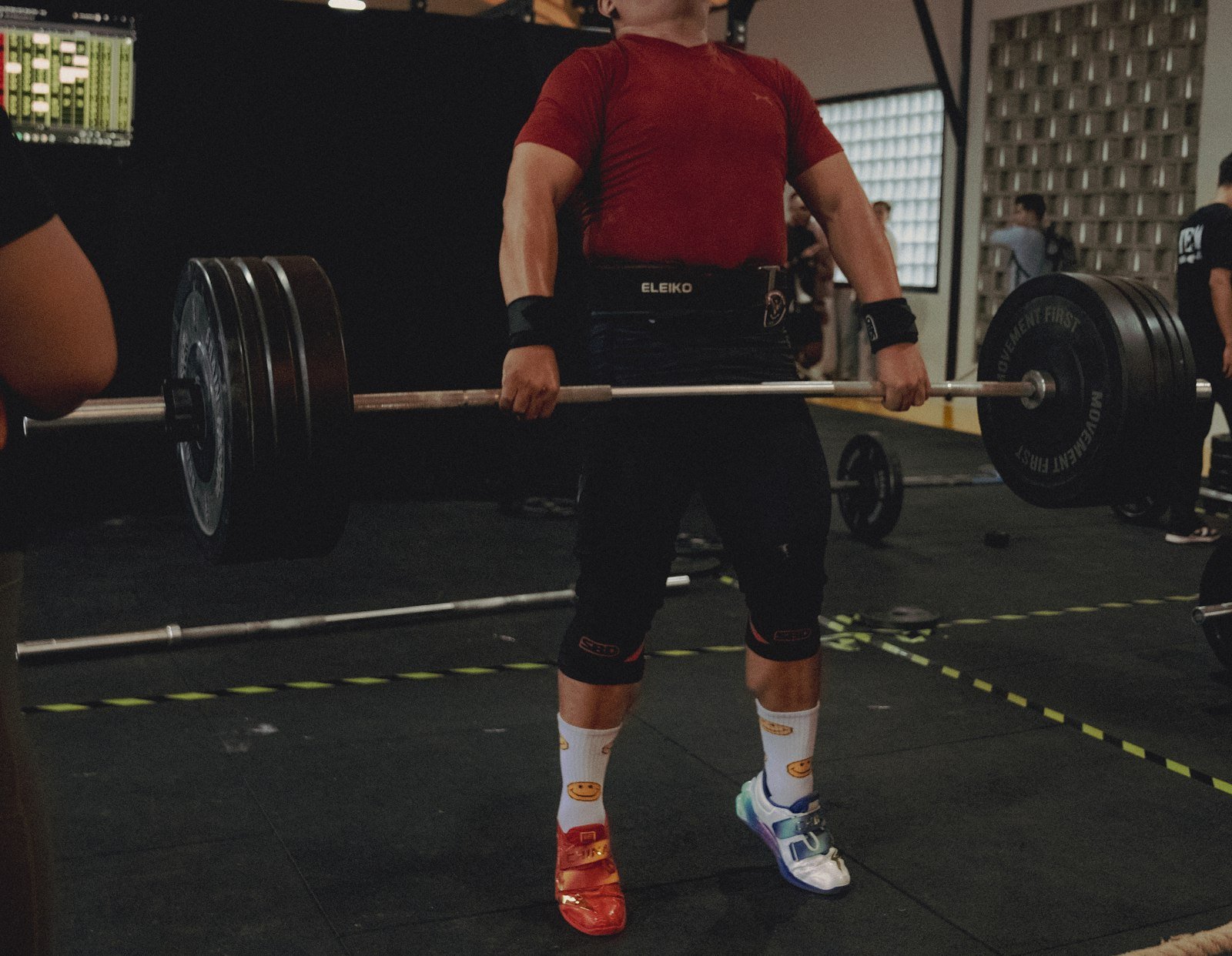
No herb replaces the basics. Ashwagandha works best on top of:
- Progressive strength training, gradually lifting heavier over time.
- Plenty of protein from whole foods. See the smartest way to use protein to build muscle.
- Seven to nine hours of sleep.
- Whole, nutrient-dense foods and plenty of vegetables.
- Other well-studied supplements such as creatine.
- Natural recovery tools like tart cherry juice and ginger.
The Bottom Line
Ashwagandha is an ancient Ayurvedic tonic with impressive modern evidence. In clinical research, it boosted strength gains, muscle growth, and fat loss while lowering stress hormones and supporting sleep. For natural bodybuilders and anyone who wants to build strength and resilience, it is one of the most promising herbs available.
Frequently Asked Questions
Does ashwagandha work for women?
Studies in women have shown benefits for stress, sleep, and some measures of strength and endurance.
Will ashwagandha make me sleepy during workouts?
Most people do not feel sedated. If it relaxes you, take it in the evening.
Should I cycle ashwagandha?
Many traditional practitioners suggest periodic breaks, such as 8 to 12 weeks on followed by a few weeks off.
A note on safety: Ashwagandha is generally well tolerated, but rare cases of liver irritation have been reported. Avoid it during pregnancy, and use it with guidance if you have a thyroid or autoimmune condition, or take thyroid, sedative, or immune-suppressing medications.
Sources
- Wankhede S, Langade D, Joshi K, Sinha SR, Bhattacharyya S. Examining the effect of Withania somnifera supplementation on muscle strength and recovery: a randomized controlled trial. Journal of the International Society of Sports Nutrition, 2015.
- Chandrasekhar K, Kapoor J, Anishetty S. A prospective, randomized double-blind, placebo-controlled study of safety and efficacy of a high-concentration full-spectrum extract of ashwagandha root in reducing stress and anxiety in adults. Indian Journal of Psychological Medicine, 2012.
This article is for educational purposes and is not a substitute for personalized advice from a qualified health practitioner.





