











Every culture on Earth dances. Humans have danced around fires, at weddings, in temples, and in kitchens for as long as we have existed. It is joyful, social, and deeply human. And according to a growing body of research, it may also be one of the best things you can do for your brain.
Dancing combines physical exercise, rhythm, memory, coordination, and social connection all at once, a recipe that challenges the brain in ways a treadmill never could.
Key Takeaways
- A 2022 review of 12 trials with 820 older adults found dance improved overall thinking ability and memory in people with mild cognitive impairment.
- Dance combines aerobic exercise, learning, music, and social connection, each of which supports brain health.
- It also improves balance, strength, and mood.
- Any style counts, from ballroom and salsa to line dancing and folk dances.
What the Research Shows
Mild cognitive impairment (MCI) is a stage between normal age-related forgetfulness and dementia. People with MCI notice memory or thinking changes but can still manage daily life. It is an important window for action.
In 2022, researchers published a meta-analysis in Frontiers in Psychology that combined 12 randomized trials involving 820 older adults with MCI. Compared with control groups, the dancers showed:
Dance and the Aging Brain
| Area | Result |
|---|---|
| Overall thinking ability (MMSE and MoCA scores) | Improved |
| Memory | Improved, with very consistent results across studies |
| Mental flexibility | Improved |
Source: Yuan, Li & Liu, Frontiers in Psychology, 2022.
Other research supports these findings. A well-known long-term study of older adults in New York, published in the New England Journal of Medicine in 2003, found that frequent dancing was linked with a lower risk of dementia, the only physical activity in the study to show that connection.
Why Dance Is So Good for the Brain
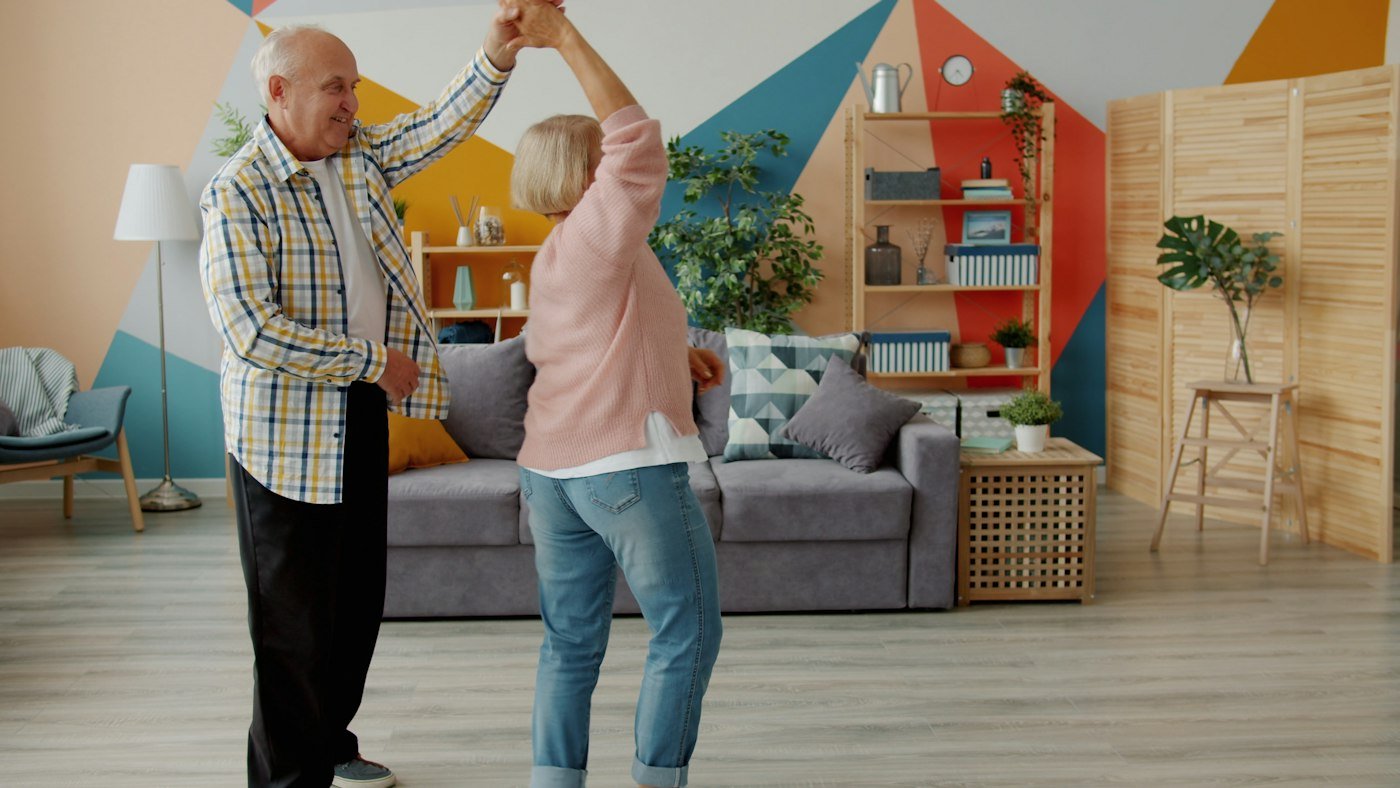
- Aerobic exercise increases blood flow to the brain and boosts BDNF, a protein that acts like fertilizer for brain cells.
- Learning steps challenges memory and builds new neural connections.
- Coordination and rhythm link movement with timing, engaging multiple brain regions at once.
- Quick decisions, especially with a partner, train attention and reaction time.
- Music lifts mood and activates emotional and memory centers of the brain.
- Social connection protects against loneliness, a recognized risk factor for cognitive decline.
Bonus Benefits for the Body
Dance also improves balance, leg strength, flexibility, heart health, and bone density. Studies have found it helps reduce fall risk, eases symptoms of Parkinson’s disease, and lifts depression. It is exercise that rarely feels like a chore.
How to Get Dancing
- Choose a style you love: ballroom, salsa, swing, line dancing, Zumba Gold, folk dancing, tap, or ballet for adults.
- Join a class. Community centers and senior centers often offer affordable options, and learning new routines is what gives the brain its workout.
- Dance at home. Put on your favorite music and move for 15 to 20 minutes.
- Aim for two to three sessions a week. Most studies lasted at least three months.
- Keep learning. New steps challenge the brain more than repeating familiar ones.
- Bring a friend to add social benefits and make it more fun.
Other Brain-Boosting Habits
Pair dance with other brain-healthy habits: a diet rich in berries, leafy greens, olive oil, and fish; good sleep; and time in nature. Read about blueberries for the brain, forest bathing, and how yoga benefits brain health. For balance, try tai chi.
The Bottom Line
Dance is medicine for the whole person. It strengthens the body, sharpens the mind, lifts the spirit, and connects us with others. Research shows it can improve memory and thinking in older adults, and it may be one of the most enjoyable ways to protect your brain as you age. So put on some music and move.
Frequently Asked Questions
I have two left feet. Will it still help?
Yes. The learning process itself is what challenges the brain. You do not need to be good at it.
Can I dance seated?
Absolutely. Chair dancing still offers rhythm, music, coordination, and joy.
Is dance better than walking for the brain?
Both are valuable. Dance adds learning, coordination, and social elements, which may give it an extra edge for brain health.
A note on safety: Start with gentle styles and supportive shoes if you have balance concerns or joint problems, and build up gradually.
Sources
- Yuan Y, Li X, Liu W. Dance activity interventions targeting cognitive functioning in older adults with mild cognitive impairment: A meta-analysis. Frontiers in Psychology, 2022.
- Verghese J, Lipton RB, Katz MJ, et al. Leisure activities and the risk of dementia in the elderly. New England Journal of Medicine, 2003.
This article is for educational purposes and is not a substitute for personalized advice from a qualified health practitioner.





