






Few health problems are as frustrating, or as quietly common, as chronic prostatitis. Men describe a nagging ache in the pelvis, perineum, or lower back, burning or urgency when they urinate, and discomfort that can flare after sitting, stress, or sex. Many go through round after round of antibiotics, only to learn that in most cases no infection is ever found. Doctors now call this condition chronic prostatitis/chronic pelvic pain syndrome (CP/CPPS), and it is one of the most common reasons younger and middle-aged men visit a urologist.
Traditional healers have long seen pelvic pain as a whole-body problem rather than a single faulty organ. In Traditional Chinese Medicine, pain in the lower abdomen is often linked to stagnation, a blockage in the smooth flow of qi and blood, and acupuncture has been used for centuries to restore that flow. European herbalists turned to plant and pollen preparations for the “waterworks” of older men, and the onion, apple, and green tea on a traditional table supplied the plant pigments that science now studies as flavonoids. Today, three of these natural approaches have been put to the test in randomized, placebo-controlled trials, and the results are encouraging.
Key Takeaways
- Most chronic prostatitis is not caused by bacteria, which is why antibiotics often fail and a whole-body approach makes sense.
- In a 440-man trial published in the Annals of Internal Medicine, 60.6% of men who received real acupuncture improved meaningfully, versus 36.8% with sham needling, and the benefit held six months after treatment ended.
- A small double-blind trial found that 67% of men taking the flavonoid quercetin improved by at least a quarter, compared with 20% on placebo.
- A standardized flower pollen extract (Cernilton) helped 70.6% of men with inflammatory CP/CPPS in a 12-week trial, versus 50% on placebo, with only minor side effects.
- Heat, gentle movement, pelvic floor relaxation, and stress care round out a natural plan that works alongside the care you already receive.
Understanding Chronic Pelvic Pain in Men
The prostate is a walnut-sized gland that sits just below the bladder and wraps around the urethra. When it is acutely infected, antibiotics are essential. CP/CPPS is different. Symptoms last three months or more, tests usually show no active infection, and the pain seems to come from a mix of factors: low-grade inflammation, tight and overworked pelvic floor muscles, irritated nerves, and a nervous system that has become “stuck” on high alert. Stress and poor sleep tend to make it worse.
Researchers track symptoms with the NIH Chronic Prostatitis Symptom Index (NIH-CPSI), a questionnaire that scores pain, urinary symptoms, and quality of life. A drop of about six points, or roughly 25%, is the change men tend to notice in daily life. That is the yardstick used in the studies below.
Because CP/CPPS has many threads, it responds best to an approach that pulls on several of them at once. That is where natural medicine shines. If you have read our look at saw palmetto and the prostate, you know that not every famous herb delivers. The three options here have stronger trial support for pelvic pain specifically.
1. Acupuncture: An Ancient Needle Therapy With Modern Proof
The strongest evidence comes from a large trial led by Yuanjie Sun and colleagues at ten hospitals in China, published in the Annals of Internal Medicine in 2021. The team enrolled 440 men with moderate to severe CP/CPPS and split them into two equal groups. One group received 20 sessions of real acupuncture over eight weeks. The other received a sham version, with needles placed shallowly away from traditional acupoints, so the men could not tell which treatment they had.
The results were clear. By week eight, 60.6% of men in the acupuncture group had improved by at least six points on the NIH-CPSI, compared with 36.8% in the sham group. Even more striking, the benefit lasted. Six months after the last session, 61.5% of the acupuncture group still counted as responders, versus 38.3% of the sham group. Side effects were mild and similar between the groups, and there were no serious adverse events.
Harvard Health highlighted the study as evidence that acupuncture can ease CP/CPPS symptoms without the side effects of many drug treatments. For men who have tried pill after pill, that is welcome news. It also fits with what we see for other pain conditions; our article on acupuncture for chronic pain covers a pooled analysis of nearly 21,000 patients.
How to Try It
- Look for a licensed acupuncturist (in the U.S., many hold NCCAOM certification) and mention pelvic pain or prostatitis when you book.
- Plan for a series, not a single visit. The trial used about two to three sessions a week for eight weeks.
- Track your progress. Many clinics, and the NIH-CPSI itself, can help you measure change over time.
2. Quercetin: The Flavonoid From Onions and Apples
Quercetin is a yellow plant pigment found in onions, apples, capers, berries, and tea. It has antioxidant and anti-inflammatory effects, which caught the attention of urologist Daniel Shoskes and his colleagues. In 1999 they published a small but carefully designed trial in the journal Urology.
Thirty men with chronic prostatitis were randomly assigned to take either 500 mg of quercetin twice a day or a look-alike placebo for one month, with neither the men nor the researchers knowing who got what. In the quercetin group, the average NIH-CPSI score fell from 21.0 to 13.1, a significant drop. In the placebo group it barely moved, from 20.2 to 18.8. Two-thirds of the quercetin group (67%) improved by at least 25%, compared with 20% of the placebo group. The supplement was well tolerated.
In a follow-up, open-label part of the study, men took a combination product of quercetin with bromelain and papain, two enzymes from pineapple and papaya that may help absorption. In that group, 82% improved by at least a quarter. Because this portion had no placebo comparison, it is best seen as promising rather than proven.
The trial was small, so larger studies are still needed. Still, quercetin is inexpensive, generally well tolerated, and fits naturally with a plant-rich diet. You will not get 1,000 mg a day from food alone, but filling your plate with onions, apples, and berries is a smart foundation. Our guide to foods for prostate health offers more ideas.
3. Flower Pollen Extract (Cernilton)
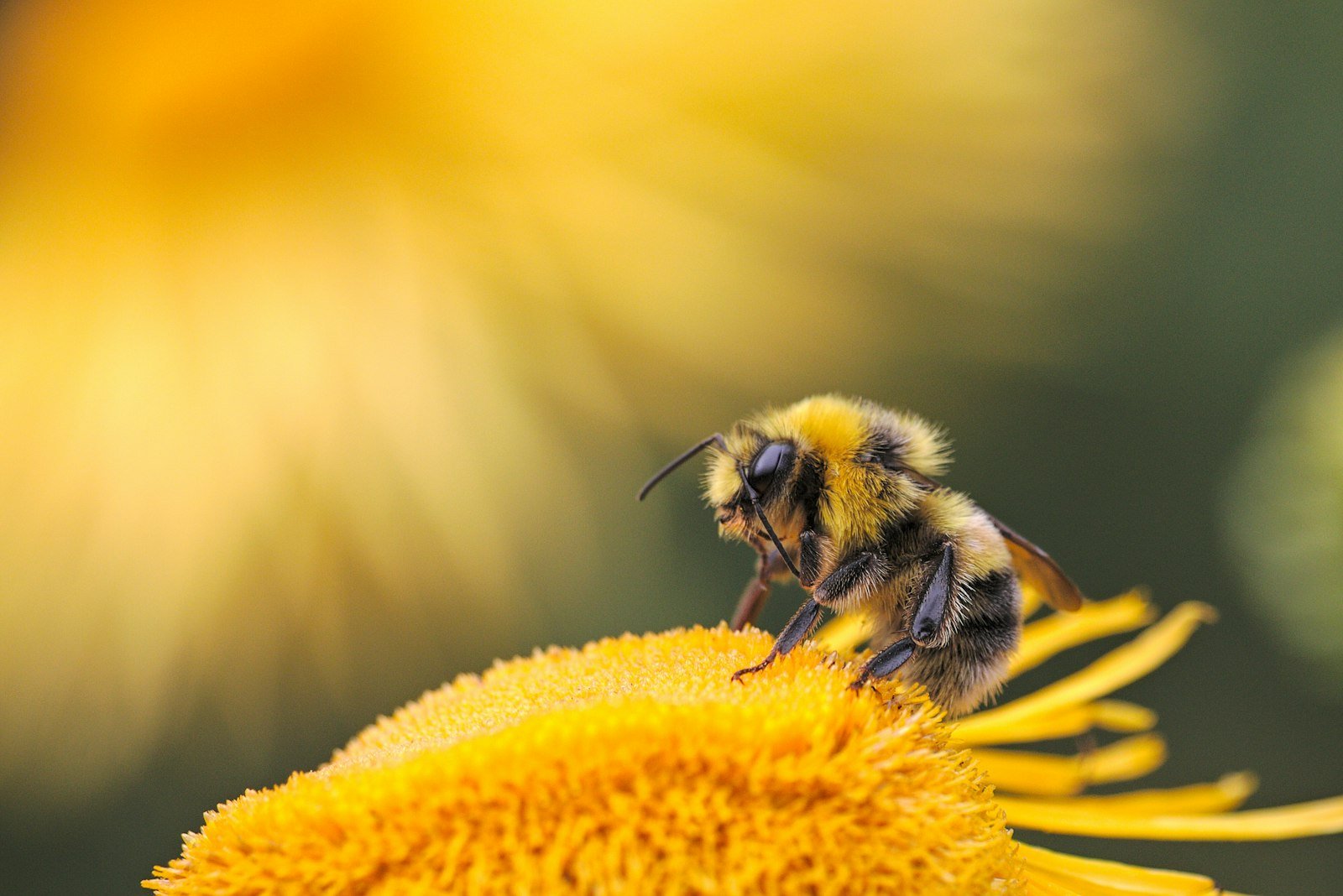
Cernilton is a standardized extract of flower pollen that has been used in Europe and Japan for decades for prostate complaints. Unlike raw bee pollen, it is processed to remove the outer shell of the pollen grain and standardized to fixed amounts of its active fractions.
The key study, led by Florian Wagenlehner at German university hospitals and published in European Urology in 2009, enrolled 139 men aged 18 to 65 with the inflammatory form of CP/CPPS. After a short course of antibiotics to rule out infection, they took either two capsules of pollen extract every eight hours or a matching placebo for 12 weeks.
By the end, 70.6% of the pollen group had responded (a drop of at least 25% or six points on the NIH-CPSI), compared with 50% of the placebo group. Pain scores fell more with pollen, and quality of life improved significantly. Side effects were minor and occurred in both groups.
A 2015 Japanese trial in BMC Urology compared Cernilton with Eviprostat, another plant-based formula, in 100 men. Both groups improved, with 78.1% of the pollen group counting as responders after eight weeks and no severe side effects. That study had no placebo group, but it supports the picture of pollen extract as a gentle, well-tolerated option.
The Evidence at a Glance
| Approach | Study | What was done | Men who improved |
|---|---|---|---|
| Acupuncture | Sun et al., Annals of Internal Medicine, 2021 (440 men) | 20 sessions over 8 weeks vs sham | 60.6% vs 36.8% at 8 weeks; 61.5% vs 38.3% at 32 weeks |
| Quercetin | Shoskes et al., Urology, 1999 (30 men) | 500 mg twice daily for 1 month vs placebo | 67% vs 20% |
| Pollen extract (Cernilton) | Wagenlehner et al., European Urology, 2009 (139 men) | 2 capsules every 8 hours for 12 weeks vs placebo | 70.6% vs 50.0% |
| Pollen extract vs Eviprostat | Iwamura et al., BMC Urology, 2015 (100 men) | 8 weeks, no placebo group | 78.1% (pollen) and 88.2% (Eviprostat) |
“Improved” means at least a 25% or six-point drop on the NIH Chronic Prostatitis Symptom Index.
Supporting Habits That Calm the Pelvis
Because CP/CPPS involves muscles, nerves, and stress, simple daily habits can make the three remedies above work even better. These have not all been tested in large trials, but they are low-risk and widely recommended by pelvic health specialists.
- Use warmth. A warm bath or a heating pad on the lower abdomen can relax tight pelvic floor muscles.
- Break up sitting. Long hours in a chair, or on a bicycle seat, can press on the perineum. Stand and walk every 30 to 60 minutes, and try a cushion with a cut-out if you sit a lot.
- Learn to let go. Many men with pelvic pain clench their pelvic floor without knowing it. Slow belly breathing, where you let the belly and pelvic floor soften on each inhale, can help. A pelvic floor physical therapist can teach this in person.
- Move every day. Walking and gentle yoga improve circulation and ease tension. Our post on exercise, pelvic floor training, and flavonoid foods explains how the same habits support erectile health.
- Notice your triggers. Some men find that alcohol, coffee, or very spicy food worsens urinary symptoms. A two-week food and symptom diary can reveal your patterns.
- Tend to stress and sleep. Pain and stress feed each other. Meditation, time outdoors, and a steady sleep routine help calm an overactive nervous system.
A Simple 12-Week Natural Plan
- Week 1: Take the NIH-CPSI (free versions are available online) and write down your score so you can track change.
- Weeks 1 to 8: Book a course of acupuncture with a licensed practitioner, aiming for two to three sessions a week.
- Weeks 1 to 12: After checking with your pharmacist or practitioner, choose one supplement to start with, either quercetin or a standardized pollen extract, and take it consistently. Starting one at a time makes it easier to tell what is helping.
- Every day: Add warmth, movement breaks, belly breathing, and a plant-rich plate with onions, apples, and berries.
- Week 12: Re-take the NIH-CPSI. A drop of six points or more is a meaningful change worth building on.
The Bottom Line
Chronic prostatitis can feel like a puzzle with no solution, but natural medicine offers real pieces. Acupuncture, drawn from thousands of years of Chinese tradition, now has one of the strongest trials in the field behind it, with benefits that lasted half a year. Quercetin, the flavonoid in everyday foods, and standardized flower pollen extract have both beaten placebo in double-blind studies. Combined with warmth, movement, and pelvic floor relaxation, these approaches treat the body as the connected system it is, and they can sit comfortably alongside the care you already receive.
Frequently Asked Questions
Is chronic prostatitis the same as an enlarged prostate?
No. An enlarged prostate (BPH) mainly affects older men and causes urinary flow problems. CP/CPPS often affects men in their 30s to 50s and is defined by pelvic pain, though urinary symptoms can overlap.
How soon might acupuncture help?
In the large 2021 trial, the main benefit was measured after eight weeks of regular sessions. Some men notice changes sooner, but it is best to commit to a full course before judging.
Is bee pollen from the health food store the same as Cernilton?
No. The trials used a standardized extract made to fixed amounts of specific pollen fractions. Raw bee pollen varies widely and has not been tested for CP/CPPS in the same way.
Can I take quercetin and pollen extract together?
They have not been studied together. Starting with one, giving it several weeks, and then adding the other lets you see what works for you.
Will these approaches cure chronic prostatitis?
The research shows meaningful symptom relief for many men, not a guaranteed cure. Think of them as tools that can lower pain and improve quality of life as part of your overall care.
Safety note: Avoid pollen extracts if you are allergic to pollen. Quercetin can interact with some medications, including blood thinners and certain antibiotics, so check with your pharmacist first. Choose an acupuncturist who uses sterile, single-use needles. New fever, blood in the urine, or trouble passing urine needs prompt medical attention.
Sources
- Sun Y, et al. Efficacy of acupuncture for chronic prostatitis/chronic pelvic pain syndrome: a randomized trial. Annals of Internal Medicine, 2021. PubMed 34399062
- Harvard Health Publishing. Acupuncture relieves prostatitis symptoms in study. 2021. health.harvard.edu
- Shoskes DA, Zeitlin SI, Shahed A, Rajfer J. Quercetin in men with category III chronic prostatitis: a preliminary prospective, double-blind, placebo-controlled trial. Urology, 1999. PubMed 10604689
- Wagenlehner FM, et al. A pollen extract (Cernilton) in patients with inflammatory chronic prostatitis-chronic pelvic pain syndrome: a multicentre, randomised, prospective, double-blind, placebo-controlled phase 3 study. European Urology, 2009. PubMed 19524353
- Iwamura H, et al. Eviprostat has an identical effect compared to pollen extract (Cernilton) in patients with chronic prostatitis/chronic pelvic pain syndrome: a randomized, prospective study. BMC Urology, 2015. BMC Urology
This article is for educational purposes and is not a substitute for personalized advice from a qualified health practitioner.