




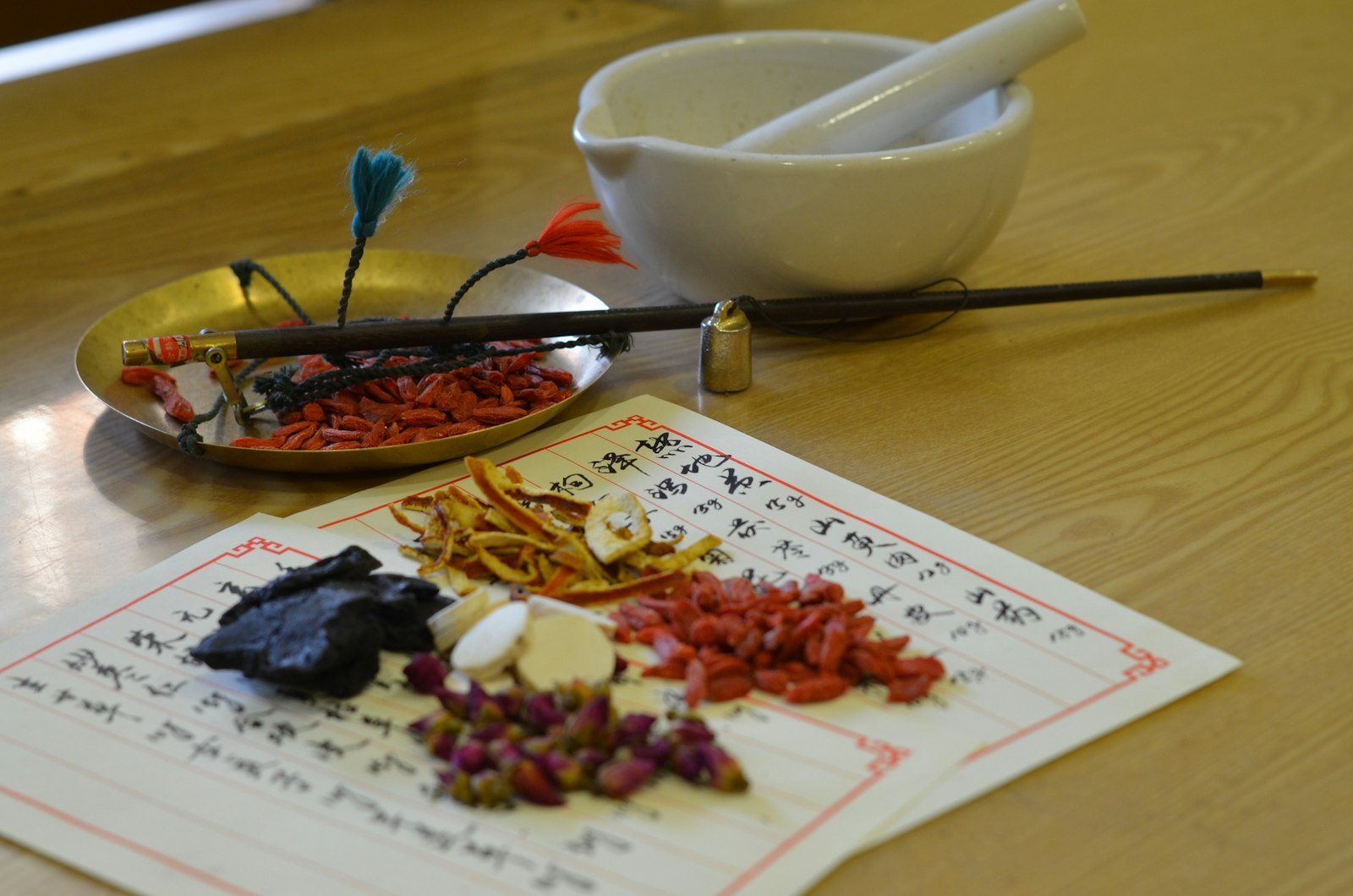
Around the year 340 CE, a Chinese physician and alchemist named Ge Hong wrote a practical little book of remedies meant to be carried on the road and used in a crisis. Its title is often translated as Handbook of Prescriptions for Emergencies. Among its entries was a simple instruction for treating intermittent fevers: take a handful of qinghao (sweet wormwood), soak it in two liters of water, wring out the juice, and drink it.
For more than 1,600 years, that line sat in the pages of traditional Chinese medicine. Then, in the early 1970s, a researcher read it closely, noticed one small detail, and used it to unlock one of the most important anti-parasite medicines ever discovered. In 2015 her work earned the Nobel Prize. The story of sweet wormwood is one of the clearest examples we have of how traditional plant knowledge can transform modern medicine, and it holds some important lessons about how to use that knowledge wisely.
Key Takeaways
- Sweet wormwood (Artemisia annua) was recorded as a fever remedy in a Chinese medical text from around 340 CE.
- Pharmacologist Tu Youyou screened about 2,000 traditional recipes and found that a cool extraction of sweet wormwood, inspired by Ge Hong’s text, was powerfully active against the malaria parasite.
- The purified compound, artemisinin, is now the backbone of the world’s frontline malaria treatments and won a share of the 2015 Nobel Prize.
- The other half of that Nobel went to ivermectin, a worm medicine discovered in soil bacteria, showing how much of our anti-parasite toolkit comes from nature.
- Laboratory and animal studies suggest Artemisia extracts may also act on other parasites, including blood flukes, but human evidence is limited.
- The World Health Organization advises against using Artemisia teas or capsules to prevent or treat malaria, because plant preparations vary too much and could fuel drug resistance.
Project 523: A Secret Search for a Cure
By the 1960s, the malaria parasite Plasmodium falciparum had become resistant to chloroquine, then the main treatment. Soldiers fighting in the jungles of Southeast Asia were falling ill in large numbers. On May 23, 1967, China launched a secret military research program, named Project 523 after that date, to find a new treatment.
In 1969, Tu Youyou, a researcher at what is now the China Academy of Chinese Medical Sciences, was put in charge of a team searching traditional medicine for leads. According to the Lasker Foundation, which honored her in 2011, her team gathered about 2,000 candidate recipes from ancient texts and folk healers, then prepared 380 extracts from 200 herbs and tested them in mice infected with malaria.
The Clue Hidden in an Ancient Text
Sweet wormwood showed promise, but the results were inconsistent. Tu went back to Ge Hong’s handbook and noticed something unusual: the recipe called for soaking the herb in cold water rather than boiling it, as most traditional decoctions do. She reasoned that heat might be destroying the active ingredient.
Her team switched to a low-temperature extraction using ether, focused on the leaves, removed a harmful acidic fraction, and timed the harvest for peak potency. The new extract wiped out the parasite in infected animals. In 1972, it was tested in 21 malaria patients on Hainan Island, and both fever and parasites in the blood cleared quickly. Later that year, the team isolated the pure active compound, which became known as artemisinin (qinghaosu in Chinese).
From Folk Remedy to Nobel Prize
In 2015, the Nobel Assembly at Karolinska Institutet awarded half of the Nobel Prize in Physiology or Medicine to Tu Youyou for the discovery of artemisinin. The other half went to William C. Campbell and Satoshi Ōmura, whose work produced ivermectin. Ōmura had collected soil samples in Japan and cultured Streptomyces bacteria, one of which yielded avermectin, the compound that led to ivermectin.
The Nobel committee estimated that artemisinin, used in combination therapy, reduces malaria deaths by more than 20% overall and by more than 30% in children, saving more than 100,000 lives a year in Africa alone. Ivermectin has brought river blindness and lymphatic filariasis, two devastating worm diseases, close to elimination in many regions. Both medicines began with nature: one in a traditional herbal text, the other in a handful of soil.
Beyond Malaria: Artemisia and Other Parasites
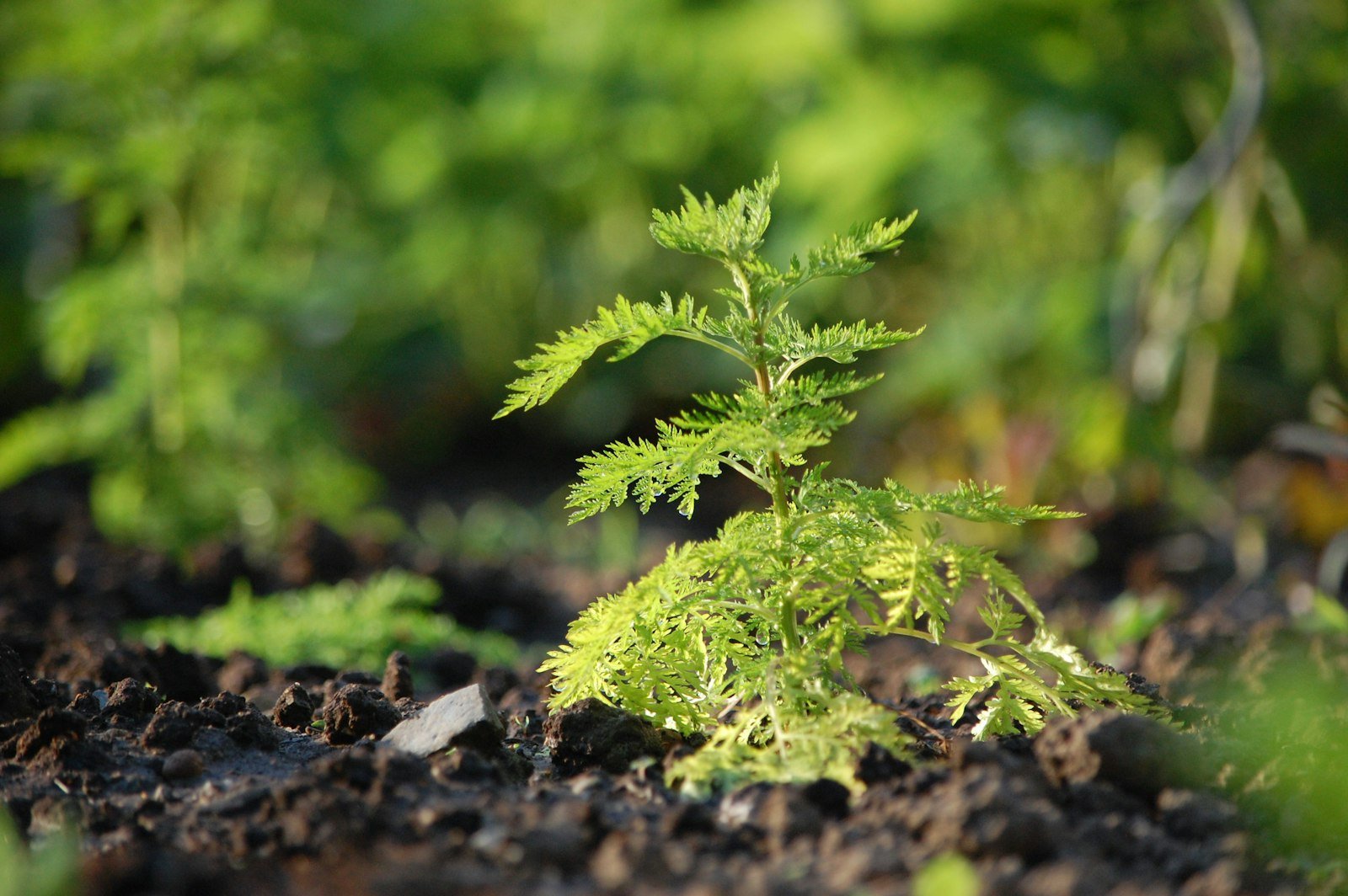
Because artemisinin works so well against one parasite, scientists have looked at whether Artemisia plants affect others. Several laboratory studies have tested Artemisia extracts against Schistosoma, the blood flukes that cause schistosomiasis, one of the world’s most widespread parasitic diseases. A 2022 study in hamsters, for example, compared crude water extracts of Artemisia annua, black seed (Nigella sativa), and garlic against Schistosoma mansoni and found antiparasitic activity, and a 2022 laboratory study in Phytomedicine Plus found that teas and extracts of both Artemisia annua and the African species Artemisia afra were strongly active against young and adult blood flukes in the test tube.
This research is genuinely interesting, but it is still at the laboratory and animal stage. It supports the idea that the Artemisia family is rich in bioactive compounds worth studying, not that home preparations can clear a parasitic infection.
The Wider Wormwood Family in Folk Medicine
Sweet wormwood’s relatives have their own long histories. Common wormwood (Artemisia absinthium) is one of the classic bitter herbs of European herbalism, traditionally used before meals to stimulate digestion and, in folk practice, against intestinal worms. Mugwort (Artemisia vulgaris and related species) is the herb burned in moxibustion, a technique in traditional Chinese medicine. These plants appear in many traditional anti-parasite formulas, which we discussed in our look at papaya seeds, pumpkin seeds, and garlic.
Sweet Wormwood: From Ancient Text to Modern Medicine
| Year | Milestone |
|---|---|
| c. 340 CE | Ge Hong records soaking qinghao in cold water to treat fevers |
| 1967 | China launches Project 523 to find a new malaria treatment |
| 1969 to 1971 | Tu Youyou’s team screens about 2,000 recipes; cool extraction of sweet wormwood proves active |
| 1972 | First patient trial (21 people) succeeds; pure artemisinin is isolated |
| 2011 | Tu Youyou receives the Lasker-DeBakey Clinical Medical Research Award |
| 2015 | Nobel Prize shared for artemisinin (malaria) and ivermectin (worm infections) |
| 2019 | WHO advises against using raw Artemisia teas or capsules for malaria |
Why the Whole Plant Isn’t the Whole Answer for Malaria
Readers of this blog value the whole herb, and often rightly so. But the sweet wormwood story includes an important nuance. In 2019, the World Health Organization reviewed the evidence on non-pharmaceutical forms of Artemisia, such as teas, dried leaf tablets, and capsules, and advised against using them to prevent or treat malaria. Its reasons were practical: the amount of artemisinin in plant material varies widely, it is often too low to clear every parasite from the blood, and partial treatment could speed the spread of artemisinin-resistant malaria, which would threaten the very medicine Tu Youyou’s discovery made possible.
Respecting traditional knowledge means respecting what it has given us. In this case, the plant’s greatest gift is a purified medicine, combined with partner drugs, that has saved millions of lives. Honoring the herb and protecting that medicine go hand in hand.
Practical Ways to Bring This Wisdom Into Your Life
- Appreciate bitter herbs for digestion. In small culinary or tea amounts, traditional bitters, including wormwood-based formulas, are used to support appetite and digestion. Use reputable products and follow label directions.
- Grow sweet wormwood as a teaching plant. Artemisia annua is an easy, fragrant annual in many climates and a living reminder of how medicine and botany connect.
- Protect yourself when traveling. If you visit an area where malaria occurs, use bed nets, repellents, long sleeves at dusk, and the prevention plan recommended by a travel health practitioner. Seek care quickly for any fever during or after the trip.
- Support a resilient gut at home. Good hygiene, washing produce, cooking meat thoroughly, and a fiber-rich diet are your everyday defenses. Our guide to the most common parasites in humans covers prevention in detail.
- Get suspected infections tested. If you have symptoms that suggest a parasite, a stool test or blood test can identify the organism so you can choose the right approach, rather than guessing. We explain why in The Parasite Cleanse Craze.
The Bottom Line
Sweet wormwood is living proof that traditional medicine contains real, life-saving knowledge. A single observation in a 1,600-year-old Chinese handbook led Tu Youyou to artemisinin, now one of the world’s most important anti-parasite drugs. The Artemisia family continues to interest researchers studying other parasites. At the same time, the best way to honor this plant for malaria is to rely on the proven, purified treatments it gave us, and to use the herb itself for the gentler roles tradition has always assigned it.
Frequently Asked Questions
Is sweet wormwood the same as the wormwood in absinthe?
No. Sweet wormwood is Artemisia annua, the source of artemisinin. The wormwood traditionally used in absinthe and bitters is Artemisia absinthium, a different species with a different chemical profile, including the compound thujone.
Can I drink Artemisia tea to prevent malaria when I travel?
The World Health Organization advises against it. Plant preparations do not contain a reliable dose of artemisinin, and partial treatment could encourage drug resistance. Use proven prevention strategies instead.
Does artemisinin work against intestinal worms?
Artemisinin is primarily a malaria medicine. Lab and animal studies have found activity against blood flukes (Schistosoma), but it is not a standard treatment for common intestinal worms.
Why did cold water matter so much?
Artemisinin is sensitive to heat. Boiling the herb, the usual way of preparing Chinese decoctions, broke down much of the active compound. Ge Hong’s instruction to soak the herb instead preserved it, and that detail guided Tu Youyou to a gentle, low-temperature extraction.
Safety note: Avoid wormwood and other Artemisia products during pregnancy and breastfeeding. Common wormwood contains thujone, which can be toxic in large or prolonged doses, and people allergic to ragweed or other plants in the daisy family may react to Artemisia species. Any fever after travel to a malaria area needs prompt medical testing.
Sources
- The Nobel Assembly at Karolinska Institutet. The 2015 Nobel Prize in Physiology or Medicine: press release.
- Lasker Foundation. 2011 Lasker-DeBakey Clinical Medical Research Award: Artemisinin therapy for malaria (Tu Youyou).
- World Health Organization. The use of non-pharmaceutical forms of Artemisia. 2019.
- The Nobel Committee for Physiology or Medicine. Scientific background: Avermectin and Artemisinin, revolutionary therapies against parasitic diseases. 2015.
- Fadladdin YAJ. Evaluation of antischistosomal activities of crude aqueous extracts of Artemisia annua, Nigella sativa, and Allium sativum against Schistosoma mansoni in hamsters. 2022.
- Taljaard L, Probst A, Tornow R, Keiser J, Haynes RK, van der Kooy F. In vitro antischistosomal activity of Artemisia annua and Artemisia afra extracts. Phytomedicine Plus, 2022.
This article is for educational purposes and is not a substitute for personalized advice from a qualified health practitioner.