










Intestinal worms have been part of the human story for as long as there have been humans. And so have the plant remedies used to fight them. In tropical villages, grandmothers dry papaya seeds in the sun. In Mexico and Eastern Europe, raw pumpkin seeds have long been a folk remedy for worms. Across nearly every culture, garlic has been prized as a protector of the gut.
These traditions are not just old wives’ tales. Researchers have begun testing them, and some of the results are impressive. Here is what we know about nature’s anti-parasite pantry.
Key Takeaways
- In a Nigerian study of 60 children with intestinal parasites, a papaya seed and honey mixture cleared parasites from 77% of stool samples, compared with 17% for honey alone.
- A larger Kenyan study of 326 children found papaya seed porridge reduced roundworm eggs by 64%, compared with 79% for the standard deworming drug.
- Pumpkin seeds contain cucurbitine, a compound traditionally used to paralyze and expel worms.
- Garlic, with its sulfur compound allicin, has broad natural antimicrobial and antiparasitic activity.
- These foods work best as part of a whole approach that includes hygiene, a healthy gut, and proper testing.
Papaya Seeds: The Tropical Dewormer
Most people scoop out papaya seeds and throw them away. But in many tropical cultures, these peppery black seeds are treasured as medicine. They contain natural compounds including benzyl isothiocyanate, which has been shown in laboratory studies to damage and paralyze intestinal worms, and papain, a protein-digesting enzyme.
The Nigerian study
In 2007, pediatricians in Nigeria published a study in the Journal of Medicinal Food. They gave 60 children with intestinal parasites either a mixture of dried papaya seeds and honey or honey alone.
Papaya Seeds in Clinical Studies
| Study | Result |
|---|---|
| Nigeria, 60 children (Okeniyi et al., 2007) | 77% cleared parasites with papaya seeds vs. 17% with honey alone. 100% cleared Strongyloides. |
| Kenya, 326 children (Kugo et al., 2018) | Papaya seed porridge cut roundworm eggs by 64%, vs. 79% for the drug albendazole |
The Kenyan result is especially interesting: an inexpensive food reduced roundworm eggs by nearly two-thirds, coming within reach of a pharmaceutical dewormer. The researchers suggested papaya seeds could be a useful, affordable tool, particularly in communities where reinfection is common. Larger studies are still needed, but these early results are encouraging.
Pumpkin Seeds: A Folk Remedy With a Real Compound
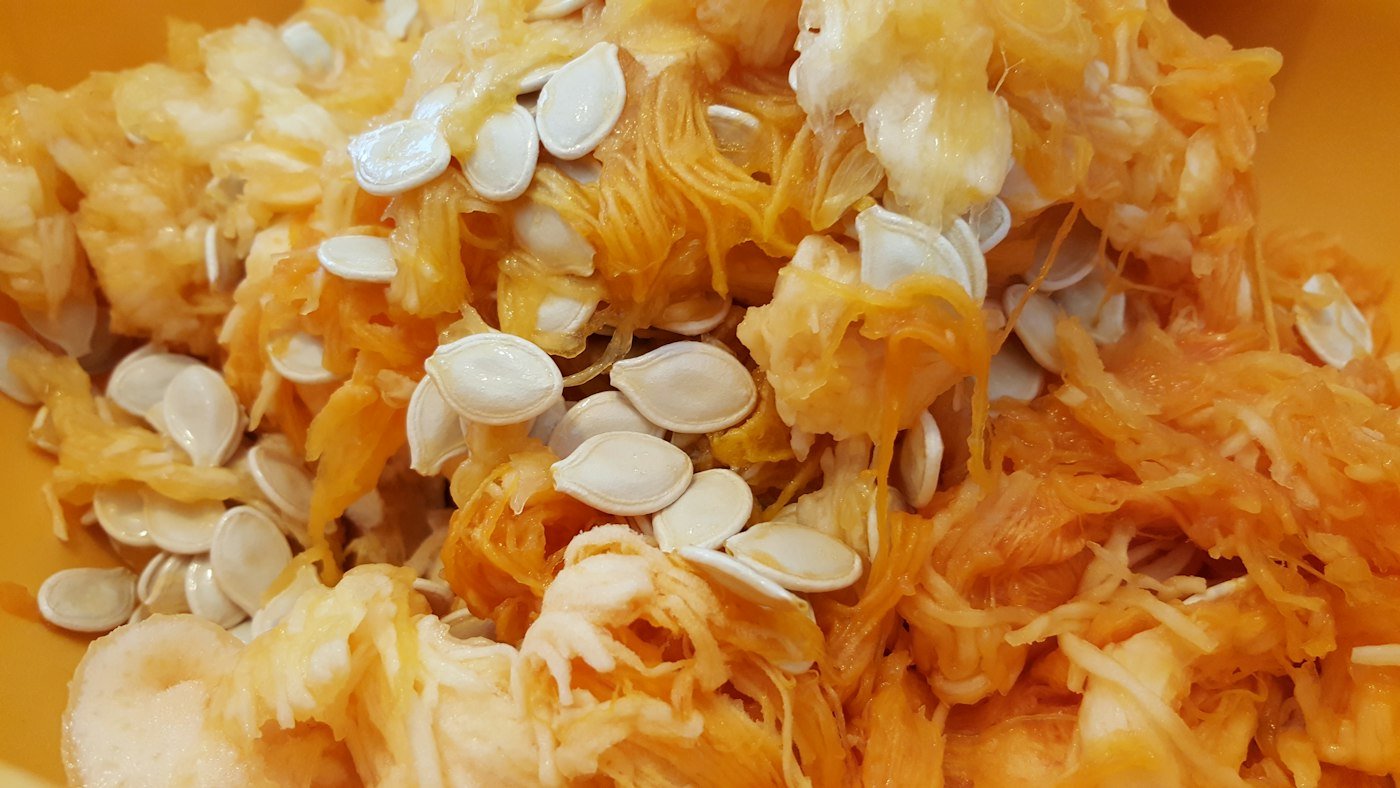
Pumpkin seeds have been used against worms by Native American healers, in traditional Chinese medicine, and in European folk medicine. Their special ingredient is cucurbitine, an unusual amino acid that appears to paralyze certain worms so they lose their grip on the intestinal wall and can be flushed out.
Traditionally, raw ground pumpkin seeds were eaten on an empty stomach, sometimes followed a few hours later by a gentle natural laxative to help clear the paralyzed worms. Researchers in China have studied pumpkin seed combinations for tapeworm with promising results. Pumpkin seeds are also rich in zinc, magnesium, and healthy fats that support immune and gut health.
Garlic: The Ancient Protector
Garlic has been used to fight infections, including parasites, since ancient Egypt. When raw garlic is crushed, it releases allicin, a sulfur compound with broad antimicrobial activity. Laboratory studies show garlic extracts are active against a range of intestinal organisms, including Giardia. Eating raw crushed garlic regularly is a time-honored way to support a resilient gut.
Other Traditional Allies
- Cloves, used in traditional medicine for their eugenol content.
- Wormwood (Artemisia absinthium), a classic bitter herb. Its relative, sweet wormwood (Artemisia annua), gave the world artemisinin, a Nobel Prize-winning antimalarial drug derived from Chinese herbal medicine.
- Coconut, whose medium-chain fatty acids have antimicrobial activity.
- Pineapple, rich in the enzyme bromelain.
- Bitter foods such as dandelion and bitter melon, which stimulate digestive juices.
How to Use These Foods
- Papaya seeds: Dry them, grind them, and mix about a teaspoon with honey or blend into smoothies. They taste peppery, like mustard. Start small.
- Pumpkin seeds: Eat a quarter to half cup of raw seeds daily, ground or whole, ideally on an empty stomach.
- Garlic: Crush one or two raw cloves, let them sit for 10 minutes to develop allicin, then add to salad dressings, dips, or honey.
A Whole-Body Approach to Parasite Prevention
- Wash hands well, especially after gardening, handling pets, and using the bathroom.
- Wash produce thoroughly and drink clean, filtered water.
- Cook meat and fish properly.
- Keep your gut strong with fiber, fermented foods, and a varied diet.
- If you suspect an infection, get a proper stool test so you know exactly what you are dealing with. Different parasites respond to different approaches, and natural foods can be used alongside any treatment you receive.
Learn more about identifying common parasites in our guide Understanding the Most Common Parasites in Humans, and read our earlier discussion of parasite cleanses.
The Bottom Line
Traditional healers were onto something. Papaya seeds have shown real anti-parasitic power in studies of children in Africa, and pumpkin seeds and garlic carry compounds that have been used against worms for centuries. These simple, inexpensive foods are a valuable part of a natural, whole-body approach to gut health.
Frequently Asked Questions
How long should I eat papaya seeds?
In the Nigerian study, children took the mixture for seven days. Many traditional practices use them for one to two weeks.
Are papaya seeds safe for everyone?
In normal food amounts they are generally well tolerated. Avoid large amounts during pregnancy, as they are traditionally considered to affect fertility.
Can pets benefit too?
Some pet owners add pumpkin seeds to food, but doses differ for animals. Ask a holistic veterinarian.
A note on safety: Children, pregnant women, and anyone with ongoing digestive symptoms should get tested to identify any parasite. Natural foods can support treatment, but some infections need specific care to fully clear.
Sources
- Okeniyi JAO, Ogunlesi TA, Oyelami OA, Adeyemi LA. Effectiveness of dried Carica papaya seeds against human intestinal parasitosis: a pilot study. Journal of Medicinal Food, 2007.
- Kugo M, et al. Papaya seed-fortified porridge trial in Kenyan schoolchildren, 2018 (summarized in the Science Feedback review below).
- Science Feedback. Review of clinical evidence on papaya seeds and intestinal parasites.
- Nobel Prize. Tu Youyou, Nobel Prize in Physiology or Medicine 2015.
This article is for educational purposes and is not a substitute for personalized advice from a qualified health practitioner.





