












Long before anyone sold collagen in a tub, traditional cooks were already feeding the skin. Grandmothers simmered bones and cartilage into rich broths for days. Sailors learned the hard way that without fresh fruit, gums bled and old wounds reopened, the classic signs of scurvy. In Ayurveda, the tart amla berry, one of the richest natural sources of vitamin C, has long been treasured as a rasayana, a rejuvenating food for longevity and radiant skin.
Modern science has caught up with that wisdom. Collagen is the protein scaffold that keeps skin firm and springy, and your body cannot build it properly without vitamin C. A 2025 study from New Zealand has now shown, in real human skin, that eating more vitamin C from food reaches every layer of the skin and goes hand in hand with thicker skin and faster renewal. Here is what that means for aging well, and where those popular collagen powders fit in.
Key Takeaways
- Vitamin C is an essential helper for the enzymes that build and stabilize collagen. Without it, skin cannot make strong collagen fibers.
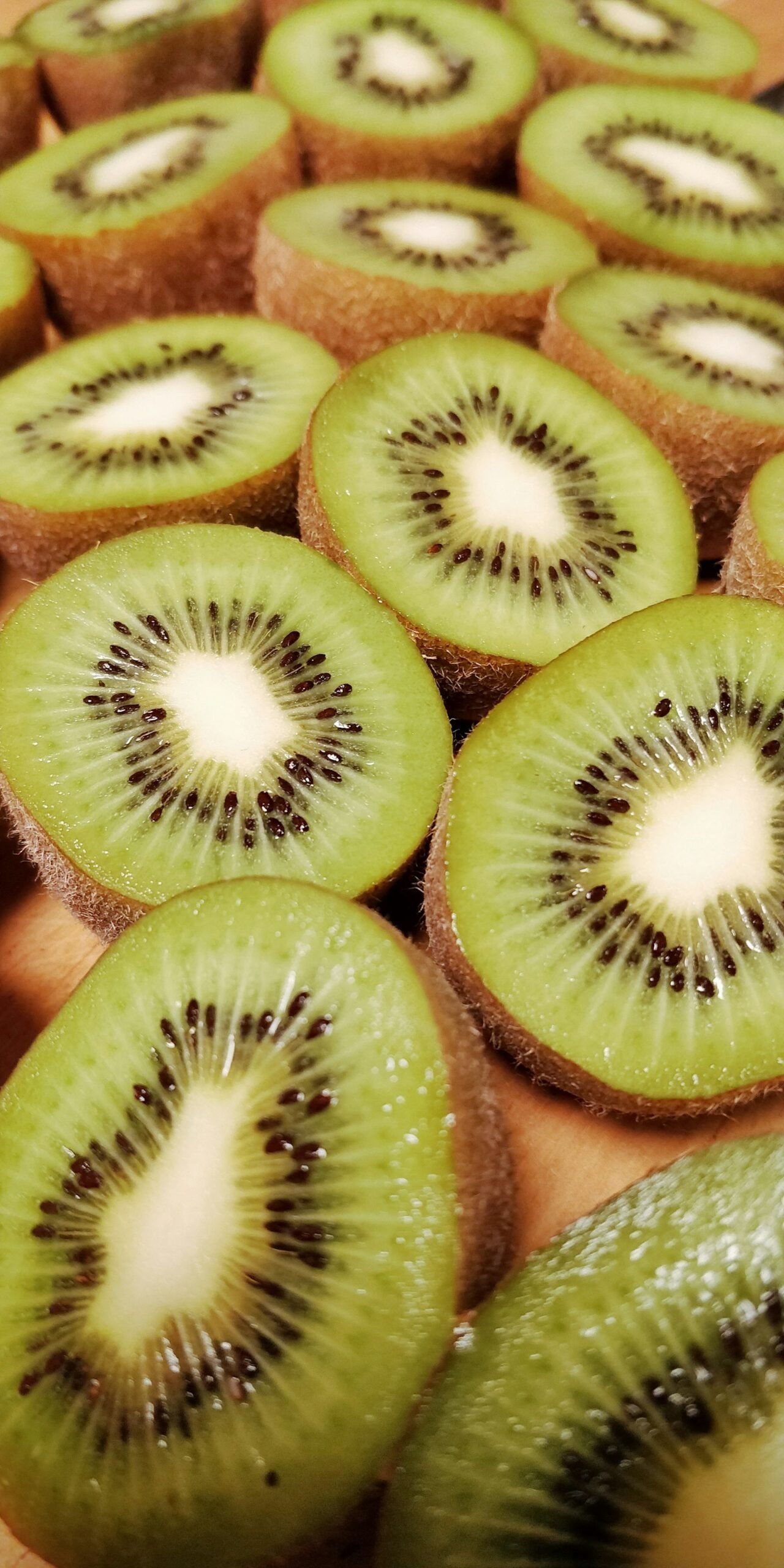
- In a 2025 University of Otago study, two SunGold kiwifruit a day for eight weeks raised skin vitamin C and was linked to thicker skin and faster cell renewal.
- A large U.S. study of more than 4,000 women found that higher vitamin C intake from food was tied to fewer wrinkles and less age-related skin dryness.
- Collagen peptide supplements fairly consistently improve skin hydration, but results for wrinkles and elasticity are mixed, and recent reviews disagree.
- A food-first approach (vitamin C-rich produce, enough protein, and healthy fats) gives your skin the raw materials it needs every day.
Why Your Skin Needs Vitamin C to Make Collagen
Collagen makes up most of the dermis, the thick, supportive layer under the surface of your skin. Each collagen molecule is a tight triple helix, and to lock that helix into a strong, stable shape, the body relies on two enzymes that add small chemical “clips” to the protein. Both enzymes need vitamin C to work. When vitamin C runs low, the body produces weaker, less stable collagen. In its extreme form, that is scurvy.
Vitamin C plays a second role, too. The skin is constantly exposed to sunlight and pollution, which generate free radicals that break down collagen over time. Vitamin C is one of the skin’s main water-soluble antioxidants, helping to mop up that damage. A 2017 review in the journal Nutrients by Juliet Pullar, Anitra Carr, and Margreet Vissers described healthy skin as holding high concentrations of vitamin C, and pointed out that aged or sun-damaged skin tends to carry less.
Here is the catch: humans are one of the few mammals that cannot make their own vitamin C. Every milligram has to come from what we eat.
The Kiwifruit Study: Food Vitamin C Reaches the Skin
For years, researchers weren’t sure how well vitamin C from food actually reached the skin, since the outer layers have no blood vessels of their own. The Otago team, led by Professor Margreet Vissers, set out to answer that question.
In the study, published in the Journal of Investigative Dermatology in 2025, 24 healthy adults in New Zealand and Germany ate two SunGold kiwifruit daily for eight weeks. Researchers took skin samples before and after and measured skin function with ultrasound.
What they found was encouraging:
- Skin vitamin C levels closely tracked blood levels, more tightly than the team had seen in other organs.
- Higher vitamin C intake went along with greater skin thickness, which the researchers linked to increased collagen production.
- The outer layer of skin renewed itself faster, a sign of active, healthy skin regeneration.
This was a small study, partly funded by a kiwifruit company, so it is a promising early signal rather than the final word. Still, it fits neatly with the long-understood biology: feed the skin vitamin C, and it has what it needs to build collagen.
The bigger picture from 4,000 women
An earlier study published in the American Journal of Clinical Nutrition in 2007 by M.C. Cosgrove and colleagues looked at the diets of 4,025 American women aged 40 to 74, using data from the national NHANES I survey. Dermatologists examined each woman’s skin. Women who ate more vitamin C were less likely to have a wrinkled appearance and age-related dryness, even after accounting for age, sun exposure, income, and other factors. Higher intake of linoleic acid, a healthy fat found in nuts and seeds, was linked to less dryness and less thinning of the skin.
If you have been following our coverage, this echoes what we have seen with other whole-food approaches, such as the protective compounds in extra virgin olive oil and the antioxidant power of blueberries.
What About Collagen Supplements?
Collagen powders and drinks contain collagen that has been broken into small pieces called peptides. The idea is that some of these fragments are absorbed and act as signals, encouraging the skin’s own collagen-making cells to get to work, while also supplying amino acids such as glycine and proline.
The research is lively and, at the moment, divided:
What Recent Research Says About Feeding Skin Collagen
| Study | What was tested | Main finding |
|---|---|---|
| Pullar et al., J Invest Dermatol, 2025 | 2 SunGold kiwifruit daily for 8 weeks, 24 adults | Higher skin vitamin C, thicker skin, faster renewal |
| Cosgrove et al., Am J Clin Nutr, 2007 | Diets of 4,025 women aged 40 to 74 | More vitamin C linked to fewer wrinkles and less dryness |
| Nukaly et al., Front Med, 2026 | 19 trials of oral and topical peptides, 1,341 people | Better hydration, modest wrinkle reduction, inconsistent elasticity |
| Myung and Park, Am J Med, 2025 | 23 collagen trials, 1,474 people | Benefits seen overall, but not in independent or highest-quality trials |
Sources: Journal of Investigative Dermatology; American Journal of Clinical Nutrition; Frontiers in Medicine; The American Journal of Medicine.
The most consistent finding across reviews is improved skin hydration, which often shows up within a few months. Effects on wrinkles and firmness are less certain. One 2025 analysis found that the positive results came mainly from industry-funded trials, a conclusion that supplement makers have strongly disputed. A 2026 analysis in the Journal of Cosmetic Dermatology also found better hydration and elasticity but no reliable benefit for wrinkles, and noted that taking collagen for longer seemed to matter more than taking higher doses.
The fair takeaway: collagen peptides are generally well tolerated and may help skin feel more hydrated, but they work best as one part of a skin-nourishing diet, not as a substitute for it. And no collagen supplement can do its job if your body is short on vitamin C.
How to Feed Your Collagen Every Day
- Eat vitamin C-rich produce daily. Two kiwifruit, a cup of strawberries, a sliced red bell pepper, an orange, or a serving of broccoli each provide a generous dose. Raw or lightly cooked is best, since vitamin C breaks down with long cooking.
- Spread it across the day. The body does not store vitamin C well. Fruit at breakfast and vegetables at lunch and dinner keep levels steady.
- Get enough protein. Collagen is built from amino acids. Beans, lentils, eggs, fish, poultry, and slow-simmered bone broth all supply the building blocks.
- Add healthy fats. Nuts, seeds, olive oil, and avocado provide linoleic acid and other fats linked to supple, less dry skin.
- Protect what you build. Sun, smoking, and diets heavy in sugar speed collagen breakdown. Shade, a wide-brimmed hat, and fewer sweets help preserve the collagen you have. For more on light-based skin care, see our review of red light therapy for aging skin.
- If you try collagen peptides, give them time. Most trials used 2.5 to 10 grams a day for 8 to 12 weeks. Take them with a vitamin C-rich food.
A simple “collagen breakfast”
Top plain yogurt or soaked oats with two sliced kiwifruit, a handful of strawberries, and a spoonful of ground flaxseed or chopped walnuts. You get vitamin C, protein, and healthy fats in one bowl. Kiwifruit has other benefits too, as we covered in our article on kiwifruit and digestive health.
The Bottom Line
Firm, resilient skin begins on your plate. Vitamin C is the essential partner your skin needs to build strong collagen, and new research shows that the vitamin C you eat really does reach your skin, where it supports thickness and renewal. Collagen supplements may add a hydration boost, but the foundation is the same one traditional cultures relied on for generations: fresh fruits and vegetables, good protein, healthy fats, and protection from too much sun.
Frequently Asked Questions
How much vitamin C do I need for healthy skin?
The kiwifruit study used about 250 mg a day from two SunGold kiwifruit, more than the standard daily recommendation. Several servings of fruit and vegetables a day can supply a similar amount.
Is food better than a vitamin C supplement?
Food delivers vitamin C along with fiber and other plant compounds that work together. The Otago study specifically tested whole fruit. Supplements can fill gaps, but produce should come first.
Does bone broth work like a collagen supplement?
Bone broth provides collagen-derived amino acids, but the amount varies widely from batch to batch. It is a nourishing traditional food, though it has not been tested in skin trials the way collagen peptides have.
How long before I notice a difference?
Skin renews slowly. In most studies, changes appeared after 8 to 12 weeks of steady habits.
A note on supplements: very high doses of vitamin C (above 2,000 mg a day) can upset the stomach, and people with a history of kidney stones should discuss high-dose supplements with their practitioner. Food sources are safe for nearly everyone.
Sources
- Pullar JM, et al. Improved Human Skin Vitamin C Levels and Skin Function after Dietary Intake of Kiwifruit: A High-Vitamin-C Food. Journal of Investigative Dermatology, 2025. doi:10.1016/j.jid.2025.10.587; summary via ScienceDaily
- Pullar JM, Carr AC, Vissers MCM. The Roles of Vitamin C in Skin Health. Nutrients, 2017. PMC5579659
- Cosgrove MC, et al. Dietary nutrient intakes and skin-aging appearance among middle-aged American women. American Journal of Clinical Nutrition, 2007. Summary via NutraIngredients
- Nukaly HY, et al. Oral and topical peptides for skin aging: systematic review and meta-analysis of randomized controlled trials. Frontiers in Medicine, 2026. Full text
- Myung SK, Park Y. Effects of Collagen Supplements on Skin Aging: A Systematic Review and Meta-Analysis of Randomized Controlled Trials. The American Journal of Medicine, 2025. Coverage via NutraIngredients
- Batool A, et al. Oral collagen peptides and skin aging: updated meta-analysis. Journal of Cosmetic Dermatology, 2026. Summary via Dermatology Times
This article is for educational purposes and is not a substitute for personalized advice from a qualified health practitioner.