












Walk into almost any traditional kitchen on Earth and you will find a pot of legumes. In India, it is a fragrant bowl of dal simmered with turmeric and cumin. In Mexico, it is frijoles de olla cooked slowly in clay. In the Middle East, chickpeas become hummus and falafel. Across the Mediterranean, lentil and white bean soups have sustained families for generations. And long before Europeans arrived in the Americas, Indigenous farmers planted beans together with corn and squash, the “Three Sisters,” because the plants nourished the soil and the people alike.
For most of human history, beans were simply everyday food. Today, nutrition science is catching up to what these food cultures knew all along: legumes may be one of the most powerful foods on the plate for a long and healthy life.
Key Takeaways
- Legumes, also called pulses, include beans, lentils, chickpeas, and dried peas. They are rich in fiber, plant protein, folate, potassium, magnesium, and iron.
- In a study of older adults in Japan, Sweden, Greece, and Australia, every extra 20 grams of legumes a day (about two tablespoons) was linked to a 7 to 8% lower risk of death during follow-up.
- A 2014 review of 26 clinical trials found about one serving of pulses a day lowered LDL (“bad”) cholesterol by about 5%.
- In a three-month trial, people with type 2 diabetes who ate about a cup of legumes daily improved their long-term blood sugar marker (HbA1c) more than a group eating extra wheat fiber.
- Soaking, slow cooking, and starting with small portions can make beans easier to digest.
What Makes Legumes So Nourishing?
Legumes are seeds that grow in pods, and nature packs them with everything a new plant needs to grow. That makes them unusually dense in nutrients for a very modest cost.
- Fiber. A cup of cooked lentils or black beans provides roughly half of the fiber many adults need in a day. Much of it is soluble fiber, which forms a gel in the gut that helps trap cholesterol and slow the release of sugar into the blood. Fiber also feeds beneficial gut bacteria. (If you are working on your intake, our article on the fibermaxxing trend explains why it matters so much.)
- Plant protein. Legumes are among the richest plant sources of protein. Paired with grains, as in rice and beans or dal with flatbread, they provide a complete set of amino acids, a pairing traditional cuisines discovered by instinct.
- Minerals and B vitamins. Beans are excellent sources of folate, potassium, iron, and magnesium, a calming mineral many people fall short on.
- Slow-burning carbohydrates. Thanks to their fiber, protein, and resistant starch, legumes have a low glycemic index. They release energy gradually instead of causing sharp blood sugar spikes.
- Polyphenols. Darker beans, such as black beans, red kidney beans, and black lentils, carry pigments with antioxidant activity.
What the Research Shows
Legumes and a longer life
One of the most quoted studies on legumes comes from the Food Habits in Later Life project. Researchers followed 785 adults aged 70 and older in five groups across Japan, Sweden, Greece, and Australia for up to seven years. These were very different food cultures, from Japanese soy foods to Swedish brown beans to Greek lentils and chickpeas. Yet one pattern stood out. For every 20-gram increase in daily legume intake, the risk of death during the study dropped by about 7 to 8%, even after accounting for age, sex, smoking, and ethnicity. Among the food groups examined, legumes were the only one that consistently predicted survival across the cohorts. The study, published in the Asia Pacific Journal of Clinical Nutrition in 2004, was observational, so it shows a link rather than proof, but it fits with a large body of later research.
Legumes and cholesterol
In 2014, researchers led by John Sievenpiper at St. Michael’s Hospital in Toronto pooled 26 randomized controlled trials involving more than 1,000 people. Diets that included about 130 grams of pulses a day, roughly one serving, lowered LDL cholesterol by about 5% compared with similar diets without them. That is a meaningful shift from simply adding a food, not taking anything away.
Legumes and blood sugar
A three-month trial led by David Jenkins at the University of Toronto, published in Archives of Internal Medicine in 2012, gave 121 people with type 2 diabetes either a low-glycemic diet built around about one cup of legumes a day or a diet high in wheat fiber. The legume group lowered HbA1c, a marker of blood sugar over the previous few months, by 0.5 percentage points compared with 0.3 in the wheat fiber group, and also saw a larger drop in estimated heart disease risk, largely through lower blood pressure.
The Evidence at a Glance: Legumes and Health
| Study | Who and how many | Key finding |
|---|---|---|
| Food Habits in Later Life study (2004) | 785 adults aged 70+, Japan, Sweden, Greece, Australia | Each extra 20 g of legumes a day linked to a 7 to 8% lower risk of death |
| Ha, Sievenpiper and colleagues, CMAJ (2014) | 26 randomized trials, 1,000+ participants | About one serving of pulses a day lowered LDL cholesterol by about 5% |
| Jenkins and colleagues, Archives of Internal Medicine (2012) | 121 adults with type 2 diabetes, 3 months | About 1 cup of legumes daily lowered HbA1c by 0.5 points vs 0.3 with wheat fiber |
Sources: Asia Pacific Journal of Clinical Nutrition (PMID 15228991); CMAJ (PMID 24710915); Archives of Internal Medicine via NutraIngredients.
How to Eat More Legumes: Practical Steps
- Start small and build up. If beans are new to you, begin with a few tablespoons a day and increase over two to three weeks. This gives your gut bacteria time to adapt and reduces gas and bloating.
- Soak and cook the traditional way. Soak dried beans for 8 to 12 hours, drain, rinse, and cook in fresh water. Many cultures add digestive herbs and spices: cumin, ginger, and asafoetida in Indian cooking, epazote in Mexico, bay leaf and fennel in the Mediterranean. Long, gentle simmering makes beans tender and easier to digest.
- Use canned beans without guilt. Canned beans are a convenient whole food. Choose low-sodium or no-salt-added versions, and rinse them in a colander to reduce sodium further.
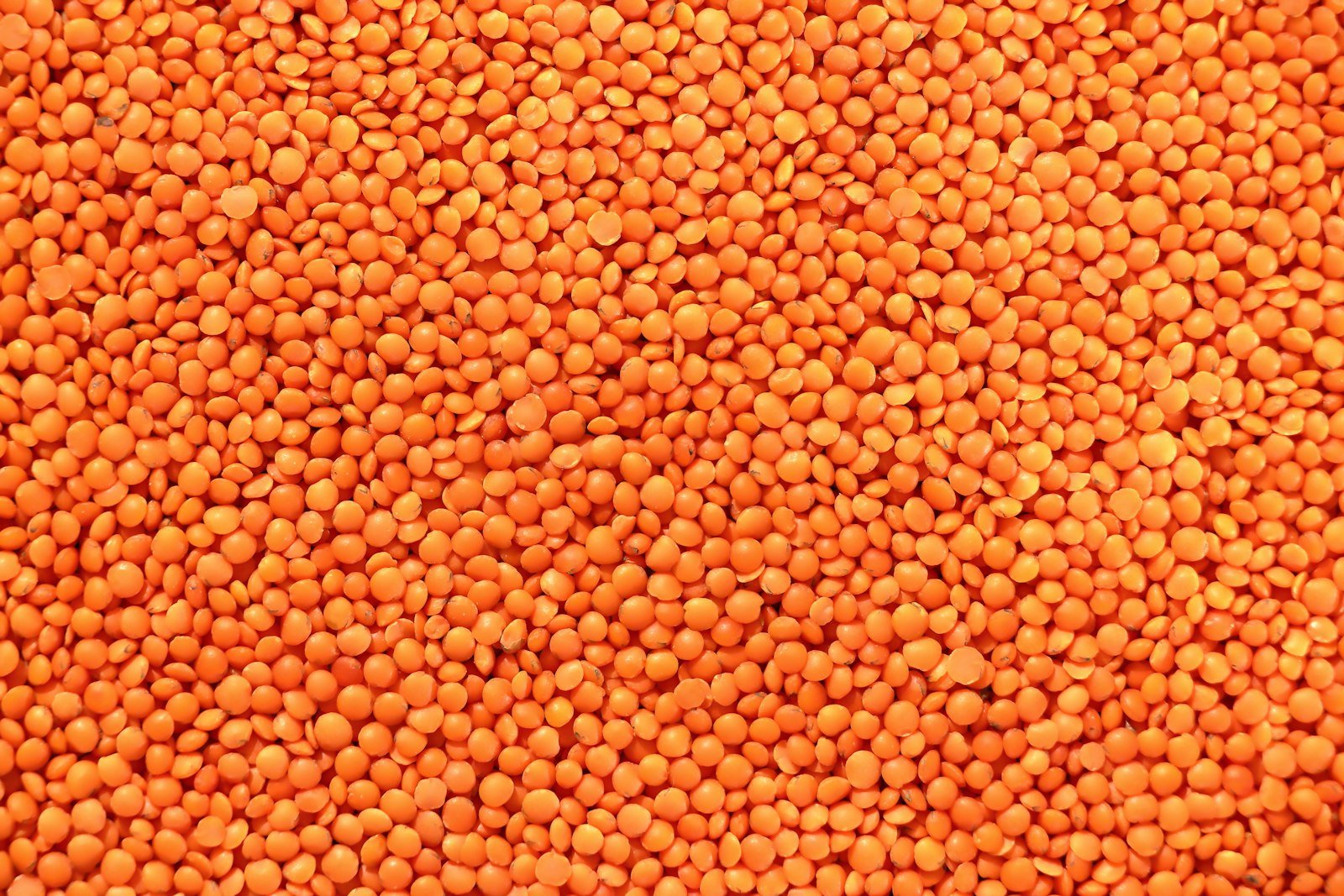
- Begin with the easiest pulses. Red and yellow lentils and split peas cook in 15 to 30 minutes without soaking. They melt into soups and stews, making them a gentle introduction.
- Swap, don’t just add. Replace half the ground meat in chili, tacos, or pasta sauce with lentils or black beans. Use hummus or white bean dip instead of processed spreads. These easy swaps also help you eat fewer ultra-processed foods.
- Put them first. Eating fiber-rich foods like beans and vegetables at the start of a meal may help soften blood sugar spikes. Our article on food order and blood sugar explains how.
- Dress them in good fat. Mediterranean cooks finish beans and lentils with a generous drizzle of extra virgin olive oil, lemon, and herbs, a delicious way to combine two longevity foods.
Simple Ideas to Try This Week
- Breakfast: Black beans with eggs and salsa, or chickpea flour pancakes (a staple known as besan chilla in India).
- Lunch: Lentil soup with carrots, celery, garlic, and cumin, or a chickpea salad with cucumber, tomato, parsley, and olive oil.
- Snack: Hummus with raw vegetables, or roasted chickpeas with smoked paprika.
- Dinner: Red lentil dal over brown rice, or a slow-cooked pot of pinto beans with onion, garlic, and herbs.
The Bottom Line
Beans, lentils, and chickpeas are some of the least expensive and most nourishing foods you can buy. Research links them to longer life in older adults, lower LDL cholesterol, and steadier blood sugar, and they fill you up with fiber and plant protein. Traditional food cultures around the world built their meals around them for good reason. Aim for a serving most days, start gradually, cook them with digestive herbs and spices, and enjoy one of humanity’s oldest health foods.
Frequently Asked Questions
How much is a serving of legumes?
About half a cup to three-quarters of a cup of cooked beans, lentils, or chickpeas (roughly 90 to 130 grams). The cholesterol trials averaged about 130 grams a day.
Are canned beans as healthy as dried?
Nutritionally they are very similar. Dried beans are cheaper and let you control the salt, while canned beans are faster. Rinsing canned beans removes much of the added sodium.
What about lectins? Aren’t beans harmful?
Raw or undercooked kidney beans contain lectins that can upset the stomach. Properly soaking and thoroughly boiling beans breaks these down, which is why traditional cultures always cooked them well. Canned beans are already fully cooked.
Do beans count as protein or vegetables?
Both. Dietary guidelines count legumes as part of either group because they provide protein along with fiber, vitamins, and minerals.
How do I reduce gas from beans?
Increase your intake slowly, soak and rinse dried beans, cook them until very soft, and use traditional digestive spices such as cumin, ginger, fennel, or asafoetida. Most people find gas eases after a few weeks as the gut adapts.
Sources
- Darmadi-Blackberry I, et al. Legumes: the most important dietary predictor of survival in older people of different ethnicities. Asia Pacific Journal of Clinical Nutrition, 2004;13(2):217-220. https://pubmed.ncbi.nlm.nih.gov/15228991/
- Ha V, Sievenpiper JL, de Souza RJ, et al. Effect of dietary pulse intake on established therapeutic lipid targets for cardiovascular risk reduction: a systematic review and meta-analysis of randomized controlled trials. CMAJ, 2014. https://pubmed.ncbi.nlm.nih.gov/24710915/
- FoodNavigator. New analysis supports cholesterol-lowering effects of pulses. https://www.foodnavigator.com/Article/2014/04/08/A-lot-of-room-to-boost-pulse-intakes-for-heart-benefits-New-analysis-supports-cholesterol-lowering-effects-of-pulses/
- NutraIngredients. Legume consumption helps glycemic control and lowers heart risk. https://nutraingredients.com/Article/2012/10/26/Legume-consumption-helps-glycemic-control-and-lowers-heart-risk-Study
This article is for educational purposes and is not a substitute for personalized advice from a qualified health practitioner.





