











Few nutrition topics have grabbed headlines in recent years quite like ultra-processed foods. They are blamed for rising obesity, diabetes, depression, and more. Public health officials are debating labels and restrictions. And wellness groups are full of people trying to “eat clean.”
But what exactly is an ultra-processed food? Is all processing bad? And how strong is the evidence? Here is a clear guide to what the research shows and how to make realistic changes.
Key Takeaways
- Ultra-processed foods (UPFs) are industrial products made mostly from refined ingredients and additives, rather than whole foods.
- In the U.S., they supply about 53% of adults’ calories and 62% of children’s.
- A 2024 BMJ review covering almost 10 million people linked high UPF intake to 32 health problems, including a roughly 50% higher risk of dying from heart disease.
- A controlled feeding study found people ate about 500 more calories a day on an ultra-processed diet than on a minimally processed one.
- Not all processed foods are equal. Small, steady swaps beat strict all-or-nothing rules.
What Is an Ultra-Processed Food?
Almost all food is processed in some way. Washing, freezing, chopping, and cooking are processing. To make sense of this, Brazilian researcher Carlos Monteiro and colleagues created the widely used NOVA classification, which sorts foods into four groups:
The Four NOVA Food Groups
| Group | Examples |
|---|---|
| 1. Unprocessed or minimally processed | Fresh or frozen fruits and vegetables, eggs, plain milk, beans, rice, fresh meat and fish, nuts |
| 2. Processed culinary ingredients | Olive oil, butter, salt, sugar, vinegar, flour |
| 3. Processed foods | Canned beans, cheese, fresh bakery bread, canned fish, salted nuts |
| 4. Ultra-processed foods | Soda, packaged snacks, sweetened cereals, instant noodles, hot dogs, chicken nuggets, most packaged breads, flavored yogurts |
A quick rule of thumb: if the ingredient list is long and includes things you would not find in a home kitchen, such as emulsifiers, flavor enhancers, modified starches, high-fructose corn syrup, or artificial sweeteners, it is probably ultra-processed.
What the Research Shows
The biggest review to date
In February 2024, researchers led by Dr. Melissa Lane at Deakin University in Australia published an “umbrella review” in the BMJ. Rather than running a new study, they gathered 45 pooled analyses covering almost 10 million participants. Higher UPF intake was linked with 32 harmful health outcomes. The evidence was graded as convincing for:
- About a 50% higher risk of death from cardiovascular disease
- A 48 to 53% higher risk of anxiety and common mental health disorders
- A 12% higher risk of type 2 diabetes
Highly suggestive evidence linked UPFs to a 21% higher risk of death from any cause, plus higher risks of obesity, sleep problems, and depression.
The experiment that showed cause and effect
Most UPF research is observational, which means it shows links rather than proof. People who eat lots of UPFs may differ in other ways. But one tightly controlled experiment helps fill the gap. In 2019, Dr. Kevin Hall at the U.S. National Institutes of Health had 20 adults live in a research ward for four weeks. For two weeks they ate an ultra-processed diet, and for two weeks a minimally processed diet. Both diets were matched for calories, sugar, fat, fiber, and salt offered, and people could eat as much as they wanted.
On the ultra-processed diet, participants ate about 500 more calories per day and gained weight. On the minimally processed diet, they lost weight. They also ate faster on the UPF diet. That suggests something about these foods, perhaps their softness, flavor, or energy density, encourages overeating.
Why Might UPFs Harm Health?
- Easy to overeat. They are designed to be tasty, soft, and quick to eat, which can override fullness signals.
- Low in fiber and protein compared with whole foods.
- High in added sugar, salt, and refined fats.
- Additives such as certain emulsifiers may disrupt gut bacteria and the gut lining, according to early research.
- They crowd out healthier foods like vegetables, beans, and whole grains.
Not All Processed Foods Are Villains
A 2026 editorial in American Family Physician cautioned against lumping every UPF together. Some, such as plain whole-grain bread, unsweetened yogurt, or tofu, may be neutral or even beneficial depending on their sugar, salt, and fat content. Canned beans, frozen vegetables, and tinned fish are convenient, affordable, and nutritious. The goal is not perfection, but shifting your overall pattern toward whole and minimally processed foods.
Practical Ways to Eat Fewer Ultra-Processed Foods
- Start with drinks. Sodas and sweetened drinks are among the biggest sources of UPF calories. Switch to water, sparkling water with fruit, tea, or coffee.
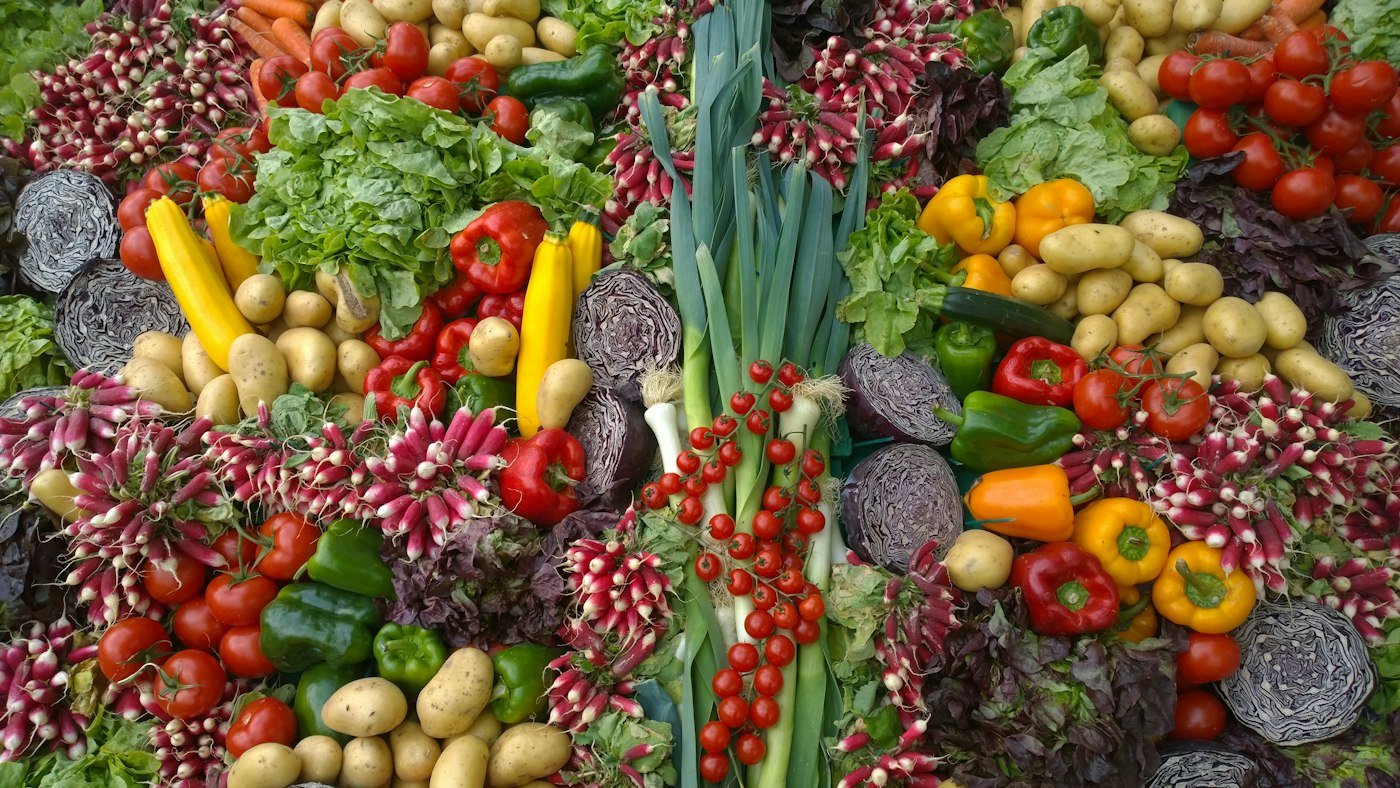
- Upgrade breakfast. Swap sugary cereals for oats, eggs, or plain yogurt with fruit and nuts.
- Snack on whole foods. Fruit, nuts, cheese, hummus with vegetables, or popcorn you pop yourself.
- Cook simple meals at home a few nights a week. A sheet-pan dinner of vegetables and chicken or beans takes minimal skill.
- Read ingredient lists. Choose versions with shorter lists and recognizable ingredients.
- Use smart shortcuts. Frozen vegetables, canned beans, and pre-washed greens make whole-food cooking faster.
- Shop the edges of the grocery store, where fresh foods usually live, and plan before you go.
- Aim for progress, not purity. Even replacing one UPF item a day makes a difference over time.
For more tips, see our guide on how to maintain a non-processed food diet. And because diet affects mood too, read about the link between ultra-processed foods, artificial sweeteners, and depression risk.
The Bottom Line
The evidence linking ultra-processed foods to poor health is now large and consistent, and a controlled experiment suggests they make us eat more than we realize. That does not mean you need to fear every package. Focus on eating more whole and minimally processed foods, cutting back on sugary drinks and packaged snacks, and cooking simple meals when you can. Small, steady changes add up.
Frequently Asked Questions
Are frozen vegetables ultra-processed?
No. Plain frozen fruits and vegetables are minimally processed and just as nutritious as fresh.
Is all packaged bread ultra-processed?
Most supermarket sliced breads are, because of additives like emulsifiers. Bakery bread made from flour, water, yeast, and salt is simply “processed.” Whole-grain versions are the better choice either way.
What about plant-based meat alternatives?
Many are ultra-processed. They can be part of a balanced diet, but beans, lentils, and tofu are less processed options.
Do I need to eliminate UPFs completely?
No. Research links higher intake with harm. Reducing your share of UPFs is a meaningful goal on its own.
Sources
- Lane MM, Gamage E, Du S, et al. Ultra-processed food exposure and adverse health outcomes: umbrella review of epidemiological meta-analyses. BMJ, 2024.
- Hall KD, Ayuketah A, Brychta R, et al. Ultra-Processed Diets Cause Excess Calorie Intake and Weight Gain: An Inpatient Randomized Controlled Trial of Ad Libitum Food Intake. Cell Metabolism, 2019.
- Silver, Park, Pinto. Health Implications of Ultra-Processed Foods. American Family Physician, 2026.
- Monteiro CA, et al. The UN Decade of Nutrition, the NOVA food classification and the trouble with ultra-processing. Public Health Nutrition, 2018.
This article is for educational purposes and is not medical or dietary advice. Talk to a doctor or registered dietitian about your individual nutrition needs.





