












Long before anyone measured stress hormones, people reached for lavender. Romans scented their baths with it, and the plant’s name is often traced to the Latin lavare, “to wash.” Medieval herbalists tucked it into linens and pillows to settle the nerves and invite sleep. Across Europe, a sprig of lavender became shorthand for calm.
What is remarkable is that this folk wisdom has held up under modern scrutiny. Over the past fifteen years, researchers have run a series of carefully controlled clinical trials on a standardized lavender oil taken by mouth, and the results for anxiety are among the strongest of any plant remedy. Let’s look at what was found, what it means for you, and the many simple ways to welcome lavender into your day.
Key Takeaways
- Lavender has a long history in European folk medicine as a calming herb for restlessness, worry, and poor sleep.
- A standardized oral lavender oil preparation (known in research as Silexan) has been tested in multiple double-blind, placebo-controlled trials.
- In a 539-person trial in generalized anxiety disorder, lavender oil reduced anxiety scores more than placebo, and performed at least as well as a common prescription comparison drug.
- A pooled analysis of three trials in milder, “subthreshold” anxiety found better anxiety, sleep, and quality-of-life scores, with side effects similar to placebo.
- The trial results apply to that specific capsule. Regular essential oils are meant for aromatherapy and skin use, not for swallowing.
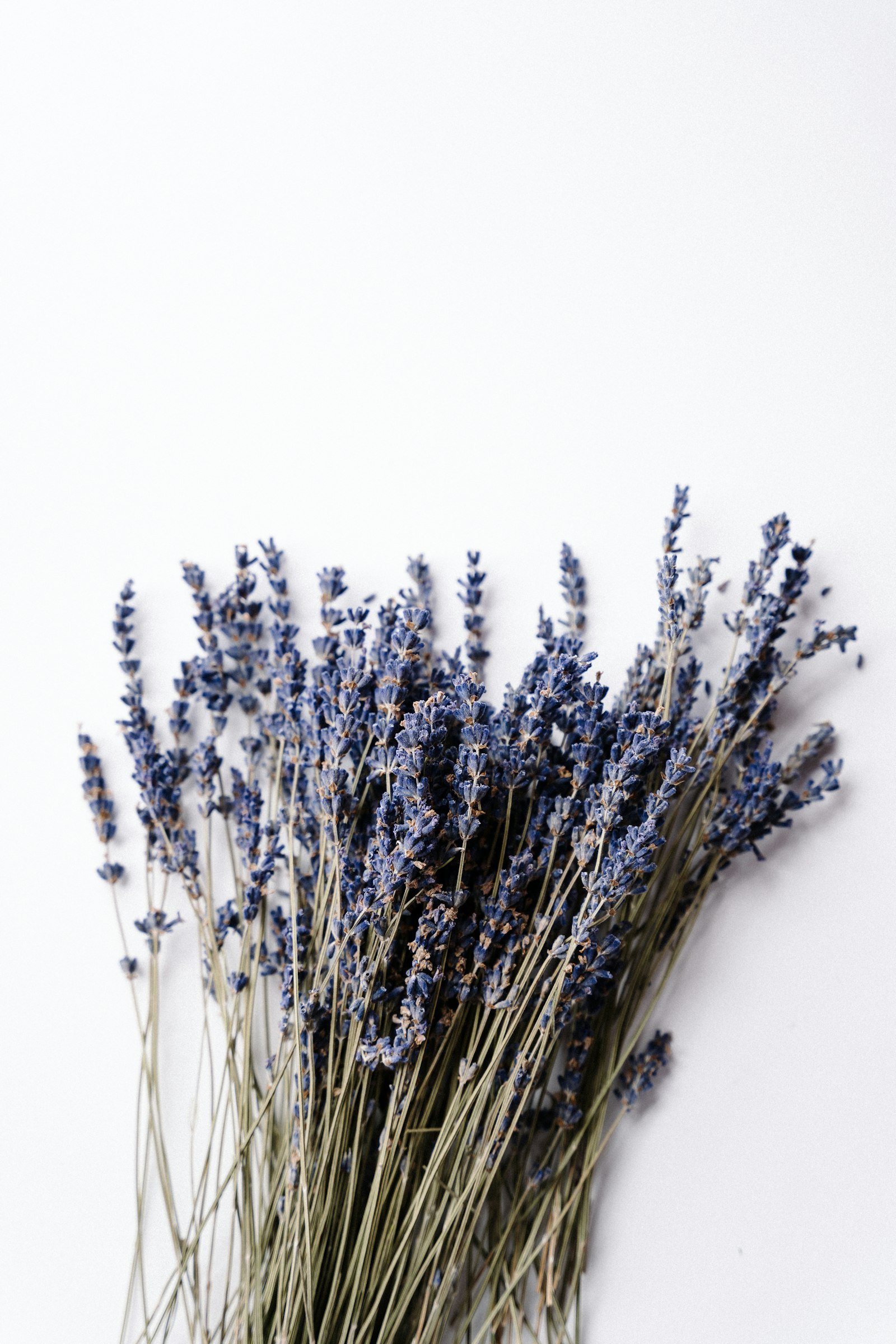
Why Lavender Has Always Been the Calming Herb
True lavender (Lavandula angustifolia) is a hardy Mediterranean shrub in the mint family. Its fragrance comes from an essential oil rich in two compounds, linalool and linalyl acetate. Traditional herbalists did not know these names, but they noticed the effect: a few breaths of lavender, a cup of lavender tea, or a sachet under the pillow seemed to loosen the grip of worry.
Modern lab research offers clues as to why. A 2013 study in PLoS One found that the standardized oil dampens several types of calcium channels in nerve cells at very low concentrations, a way of quieting overactive nerve signaling. The researchers reported that it showed no affinity for the usual targets of other anti-anxiety drugs, suggesting it works through its own pathway. In the clinical trials, side effects were generally mild, so lavender seems to take the edge off without knocking you out.
What the Clinical Trials Found
Lavender for generalized anxiety disorder
The largest trial, published in 2014 in the International Journal of Neuropsychopharmacology, enrolled 539 adults with generalized anxiety disorder across 57 medical practices in Germany. For 10 weeks, participants took either lavender oil capsules (160 mg or 80 mg a day), the prescription drug paroxetine (20 mg a day), or a placebo. Nobody knew which they were getting.
Anxiety was tracked using the Hamilton Anxiety Rating Scale (HAMA), a standard clinician-rated tool. Scores fell by an average of 14.1 points on the higher lavender dose and 12.8 points on the lower dose, compared with 9.5 points on placebo. Both lavender doses beat placebo. Paroxetine’s drop of 11.3 points did not reach statistical significance over placebo in the main analysis.
About 60% of people on the higher lavender dose were “responders,” meaning their anxiety scores were cut at least in half, compared with roughly 38% on placebo and 43% on paroxetine. Side effects were also mild: 25% of the higher-dose lavender group reported any adverse event, compared with about 41% on paroxetine and 31% on placebo.
Lavender for everyday, “subthreshold” anxiety
Many people live with anxiety that is real and wearing but does not meet the criteria for a formal diagnosis. A 2019 analysis in the European Archives of Psychiatry and Clinical Neuroscience pooled individual patient data from three placebo-controlled trials in this group, analyzing nearly 700 participants who took 80 mg of lavender oil or placebo daily for 10 weeks.
Lavender lowered anxiety scores by about 3.8 more points than placebo. For every six people treated, one additional person responded who would not have on placebo, a number that compares well with many conventional options. Sleep quality and both physical and mental quality-of-life scores also improved, and rates of side effects were similar between lavender and placebo.
A broader 2023 meta-analysis in the same journal combined five placebo-controlled trials with 1,213 adults across subthreshold anxiety, generalized anxiety disorder, and mixed anxiety and depression. Lavender oil again reduced both clinician-rated and self-rated anxiety more than placebo, improved quality of life, and showed no meaningful difference from placebo in side effects or dropouts.
The Evidence at a Glance
| Study | Who | What was found |
|---|---|---|
| Kasper et al., 2014 (Int J Neuropsychopharmacol) | 539 adults with generalized anxiety disorder, 10 weeks | HAMA scores fell 14.1 points (160 mg) vs. 9.5 on placebo; about 60% responders vs. 38% on placebo |
| Möller et al., 2019 (Eur Arch Psychiatry Clin Neurosci) | Pooled data from 3 trials, about 700 adults with subthreshold anxiety | 3.8-point greater drop in anxiety vs. placebo; better sleep and quality of life; side effects similar to placebo |
Worth knowing: these trials were funded by the company that makes the standardized lavender preparation, and the results apply to that product rather than to lavender products in general.
What About Lavender Aromatherapy and Tea?
The strongest numbers come from the oral capsule, but that does not make the gentler, traditional forms of lavender pointless. Smell is wired directly into the brain’s emotional centers, and the simple ritual of pausing to breathe in a calming scent has value of its own. Aromatherapy research on lavender is more mixed in quality, with smaller and harder-to-blind studies, so think of it as a soothing support rather than a proven treatment.
Lavender tea, lavender in a warm bath, and a lavender sachet on the pillow are all low-risk ways to build calming cues into your evening. Paired with other evidence-based habits, such as slow breathing, a regular bedtime, and time in nature, they can help create a daily rhythm that tells your nervous system it is safe to rest.
How to Bring Lavender Into Your Routine
- Choose true lavender. Look for Lavandula angustifolia on the label. It is the species used in the clinical research and in most quality essential oils.
- For aromatherapy, diffuse or inhale. Add a few drops of essential oil to a diffuser, or put one or two drops on a cotton pad and breathe slowly for a minute or two during a stressful moment.
- Dilute before it touches skin. Mix a few drops into a tablespoon of a carrier oil such as almond or jojoba before massaging it into your wrists, neck, or the soles of your feet.
- Make an evening tea. Steep about a teaspoon of dried culinary lavender buds in hot water for five minutes. It pairs nicely with chamomile or lemon balm, two other traditional calming herbs.
- Consider the standardized capsule if anxiety is persistent. If you are interested in the oral form studied in trials, look for a product specifically made and labeled for oral use, follow the label dose, and give it several weeks. In the trials, benefits built up over the 10-week period.
- Pair it with a breathing practice. Lavender works beautifully alongside slow breathing. Try a few minutes of cyclic sighing while you inhale the scent.
Building a Whole-Body Calm
Traditional medicine systems rarely treat a single herb as the whole answer, and lavender works best as one thread in a larger approach. Movement that calms the nervous system, such as gentle yoga before bed, can deepen the effect. Time among trees has its own research for lowering stress, as we explored in our article on forest bathing. And because a shortfall of certain minerals can leave you feeling wired, it is worth making sure your diet includes enough magnesium-rich foods.
Scent-based calm is a growing research field, too. Just last month, we covered a small study in which a Japanese cypress oil helped people sleep more soundly, a reminder that plant aromas remain a promising area of study (see our natural health news roundup).
The Bottom Line
Lavender is one of the rare traditional remedies where centuries of folk use and modern clinical trials point in the same direction. A standardized oral lavender oil has outperformed placebo for both diagnosed and milder anxiety in well-designed trials, with few side effects. Lavender tea, baths, and aromatherapy are gentler, less-studied options that can still add a calming ritual to your day. Used thoughtfully, as part of a lifestyle that includes good sleep, movement, and nourishing food, lavender is a worthy addition to your natural toolkit.
Frequently Asked Questions
Can I just swallow a few drops of lavender essential oil?
No. The trials used a specific capsule manufactured for oral use with a controlled dose. Regular essential oils are highly concentrated and are made for diffusing or diluted skin use, not for swallowing.
How long does lavender take to work for anxiety?
Inhaling lavender may feel relaxing within minutes. In the capsule trials, anxiety scores improved gradually, with the full effect measured after 10 weeks of daily use.
Will lavender make me sleepy during the day?
The clinical trials did not report daytime drowsiness as a notable problem. Many people still prefer using lavender in the evening, when its relaxing effect supports sleep.
Is lavender tea as effective as the capsules?
Tea has not been tested the same way, and it delivers much less of the oil. It is best thought of as a soothing ritual rather than a substitute for the studied preparation.
Safety note: Oral lavender oil can cause mild burping or stomach upset. If you take sedatives, sleep medications, or anti-anxiety drugs, or if you are pregnant or breastfeeding, check with your practitioner before adding lavender capsules, since safety data in these situations are limited.
Sources
- Kasper S, Gastpar M, Müller WE, et al. Lavender oil preparation Silexan is effective in generalized anxiety disorder: a randomized, double-blind comparison to placebo and paroxetine. International Journal of Neuropsychopharmacology. 2014;17(6):859-869.
- Möller HJ, Volz HP, Dienel A, Schläfke S, Kasper S. Efficacy of Silexan in subthreshold anxiety: meta-analysis of randomised, placebo-controlled trials. European Archives of Psychiatry and Clinical Neuroscience. 2019;269(2):183-193.
- Dold M, Bartova L, Volz HP, et al. Efficacy of Silexan in patients with anxiety disorders: a meta-analysis of randomized, placebo-controlled trials. European Archives of Psychiatry and Clinical Neuroscience. 2023;273(7):1615-1628.
- Schuwald AM, Nöldner M, Wilmes T, et al. Lavender oil: potent anxiolytic properties via modulating voltage dependent calcium channels. PLoS One. 2013;8(4):e59998.
This article is for educational purposes and is not a substitute for personalized advice from a qualified health practitioner.





