












In Ayurveda, India’s traditional system of medicine, health rests on three pillars, called the trayopastambha. One is food. Another is balanced living. The third is nidra, or sleep. The ancient texts describe good sleep as a source of strength, clear thinking, and long life, and poor sleep as a root of illness.
Yoga grew up alongside these ideas, and it has always included practices meant to quiet the mind before rest. Now modern sleep science is catching up. A 2025 review of clinical trials found that yoga was one of the most effective forms of exercise for people with insomnia, with gains that rival those of standard treatments.
Key Takeaways
- A 2025 network meta-analysis in BMJ Evidence-Based Medicine pooled 22 randomized trials with 1,348 people with insomnia and compared 13 different treatments.
- Compared with usual care, yoga was linked to nearly 2 more hours of total sleep, sleep efficiency up by nearly 15%, about 1 hour less time awake during the night, and falling asleep about 30 minutes faster.
- Tai chi and walking or jogging also helped, each in slightly different ways.
- A trial at the All India Institute of Medical Sciences (AIIMS) found that yoga nidra, a guided deep-relaxation practice, improved sleep efficiency and deep sleep and lowered cortisol.
- A short, gentle evening sequence plus a few minutes of yoga nidra is an easy, low-cost way to start.
Why Insomnia Is So Common
Insomnia means trouble falling asleep, staying asleep, or waking too early, along with feeling unrefreshed. It affects a large share of adults at some point, and for many it becomes a long-running problem. It is closely tied to stress. When the body’s “fight or flight” system stays switched on into the evening, stress hormones like cortisol stay high, the heart beats faster, and the mind races.
Cognitive behavioral therapy for insomnia (CBT-I) is the standard non-drug treatment, and it works well. But it is not always easy to find a trained therapist. That is one reason researchers have looked closely at exercise, which is cheap, widely available, and good for the whole body.
What the 2025 Review Found
A research team led by Zhi-jun Bu gathered every randomized trial they could find that tested exercise for adults with insomnia. They used a method called network meta-analysis, which lets scientists compare many treatments with each other even when no single trial tested them head to head.
Yoga stood out on several measures that matter most to people lying awake at night:
- Total sleep time: nearly 2 hours more per night
- Sleep efficiency (the share of time in bed actually spent asleep): up by nearly 15%
- Time awake after first falling asleep: nearly 1 hour less
- Time to fall asleep: about 30 minutes shorter
Tai chi lowered sleep quality scores, added more than 50 minutes of sleep, and kept its benefits for up to two years. Walking or jogging reduced insomnia severity scores by nearly 10 points. The authors pointed out that many trials were small and some had design flaws, so they described the results as “likely” rather than certain. Still, the overall picture was consistent: gentle, mindful movement helps sleep.
Evidence Snapshot: Mind-Body Practices for Insomnia
| Practice | Study | Main results |
|---|---|---|
| Yoga | Bu et al., BMJ Evidence-Based Medicine, 2025 (22 trials, 1,348 people) | ~2 hours more sleep; ~15% better sleep efficiency; ~1 hour less night waking; ~30 minutes faster sleep onset |
| Tai chi | Same review | 50+ minutes more sleep; benefits lasting up to 2 years |
| Walking or jogging | Same review | Insomnia severity down nearly 10 points |
| Yoga nidra | Datta et al., National Medical Journal of India, 2021 (41 adults) | Diary sleep efficiency rose from ~74% to ~85%; more deep sleep on sleep-lab testing; lower cortisol |
Sources: BMJ Evidence-Based Medicine (2025); National Medical Journal of India (2021).
Yoga Nidra: The Ancient Practice of “Yogic Sleep”
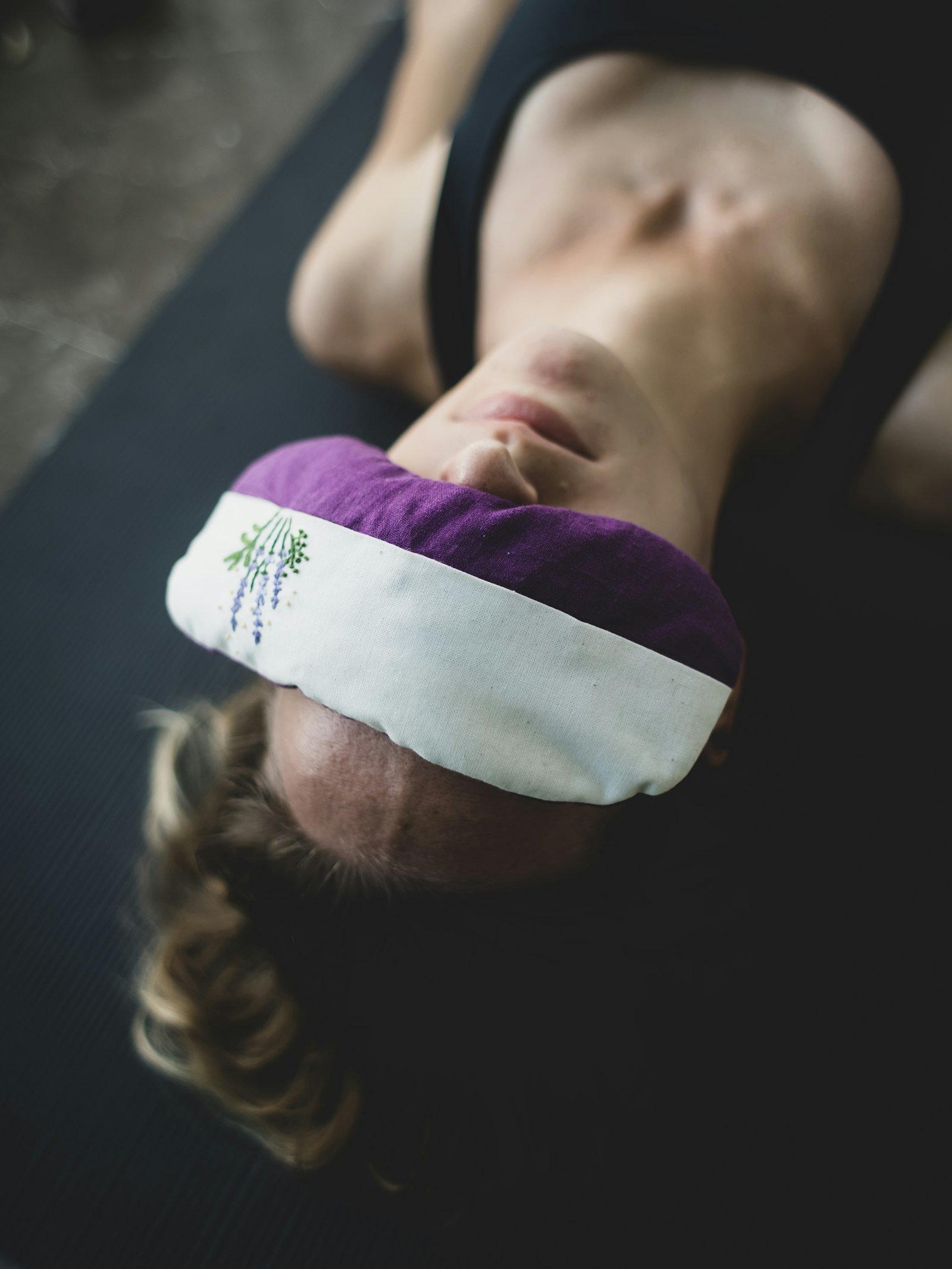
Yoga nidra means “yogic sleep.” You lie down in a resting pose while a teacher or recording guides you through a body scan, slow breathing, and simple imagery. The goal is a state between waking and sleeping, deeply relaxed but still aware.
Researchers at AIIMS in New Delhi tested it in adults with chronic insomnia. They compared yoga nidra with CBT-I. Both groups slept better. In the yoga nidra group, diary-recorded sleep efficiency rose from about 74% to about 85%, and total sleep time grew by nearly an hour. On overnight sleep-lab testing, only the yoga nidra group showed a significant gain in sleep efficiency, along with more time in deeper stages of sleep. Their salivary cortisol, a stress hormone, also dropped. The study was small, but it suggests that this traditional practice deserves a place in the modern sleep toolkit.
Why Yoga Helps You Sleep
Yoga works on sleep from several directions at once:
- It calms the nervous system. Slow breathing and gentle stretching shift the body from “fight or flight” toward “rest and digest,” slowing the heart rate and easing muscle tension.
- It lowers stress hormones. As the AIIMS trial showed, relaxation practices can reduce cortisol, which normally should fall in the evening.
- It quiets a racing mind. Focusing on the breath and body gives the mind something gentle to hold, instead of looping through worries.
- It eases aches. Pain is a common cause of night waking. Yoga is now a recommended option for chronic back pain, which can be a hidden sleep thief.
A 15-Minute Bedtime Yoga Sequence
You don’t need a studio or special skills. Try this gentle sequence in comfortable clothes on a mat, rug, or even your bed, about 30 to 60 minutes before sleep. Dim the lights and put your phone away.
- Seated breathing (2 minutes). Sit comfortably and breathe slowly through your nose, making each exhale a little longer than the inhale. Our guide to the cyclic sigh offers another simple calming breath.
- Child’s pose, Balasana (1 to 2 minutes). Kneel, sit back on your heels, and fold forward with your arms resting by your sides or stretched out. Let your forehead rest on the floor or a pillow.
- Cat-cow (1 minute). On hands and knees, slowly arch and round your spine in time with your breath to release the back.
- Reclined twist (1 minute per side). Lie on your back, draw your knees to your chest, and let them drop to one side while your shoulders stay relaxed on the floor.
- Legs up the wall, Viparita Karani (3 to 5 minutes). Lie with your hips close to a wall and rest your legs up against it. This is one of the most soothing poses in restorative yoga.
- Yoga nidra or corpse pose, Savasana (5 to 10 minutes). Lie flat with a pillow under your knees. Follow a guided yoga nidra recording, or simply scan slowly from your toes to your head, relaxing each part as you go.
Tips for Better Results
- Be consistent. Most trials ran for several weeks. Nightly practice builds a strong “time to sleep” signal.
- Keep evening practice gentle. Save vigorous flows or hot yoga for the morning or afternoon.
- Keep a regular schedule. Going to bed and waking at the same times matters a great deal, as we explained in our article on sleep regularity.
- Pair it with natural support. A small glass of tart cherry juice in the evening is another research-backed option.
The Bottom Line
The yogis and Ayurvedic healers of India saw sleep as a pillar of health, and they built practices to protect it. Today, a large 2025 review ranks yoga among the most effective exercises for insomnia, and a trial at one of India’s top medical institutes found that yoga nidra improved deep sleep and calmed stress hormones. A few minutes of gentle poses and guided relaxation each evening is a safe, natural way to help your body remember how to rest.
Frequently Asked Questions
How long before I notice better sleep?
Some people feel calmer after the first session. In clinical trials, steady improvements usually appeared over several weeks of regular practice.
Is yoga nidra the same as meditation?
It is a form of guided meditation done lying down. Unlike many seated meditations, it uses a structured body scan and is designed to bring you close to sleep while staying aware.
Can I do yoga in bed?
Yes. Reclined twists, knees-to-chest, reclined butterfly, and yoga nidra all work well in bed, which makes it easy to drift straight into sleep.
Should I stop my sleep medicine if yoga works?
No. Think of yoga as an addition to your overall approach. If you would like to change any medicine, talk it over with the practitioner who prescribed it.
A quick note: If you have glaucoma, uncontrolled high blood pressure, or are in later pregnancy, skip inverted poses like legs up the wall, or ask a qualified yoga teacher for a modified version. Ongoing loud snoring or gasping at night can signal sleep apnea, which is worth having checked.
Sources
- Bu ZJ, et al. Effects of various exercise interventions in insomnia patients: a systematic review and network meta-analysis. BMJ Evidence-Based Medicine, 2025. https://doi.org/10.1136/bmjebm-2024-113512
- ScienceDaily summary of the BMJ Evidence-Based Medicine review (July 2025): https://www.sciencedaily.com/releases/2025/07/250716000856.htm
- Datta K, Tripathi M, Verma M, Masiwal D, Mallick HN. Yoga nidra practice shows improvement in sleep in patients with chronic insomnia: a randomized controlled trial. The National Medical Journal of India, 2021;34(3):143-150. https://nmji.in/yoga-nidra-practice-shows-improvement-in-sleep-in-patients-with-chronic-insomnia-a-randomized-controlled-trial/
This article is for educational purposes and is not a substitute for personalized advice from a qualified health practitioner.





