









Long before it was sold in capsules, boswellia was a sticky, golden tear of resin oozing from the bark of a hardy tree that grows in the dry hills of India, the Arabian Peninsula, and North Africa. You probably know its more famous name: frankincense. For thousands of years, people burned it in temples, traded it along caravan routes, and, in India, ground it into remedies. Ayurvedic practitioners called Indian frankincense shallaki and turned to it for stiff, swollen, aching joints.
Today, that old remedy is getting a serious second look. Researchers have put standardized boswellia extracts through placebo-controlled trials for knee osteoarthritis, the “wear and tear” joint condition that affects millions of adults. The results are encouraging enough that boswellia has become one of the best-studied plant options for joint pain. Here is what the science says, how it seems to work, and how to use it wisely.
Key Takeaways
- Boswellia (Indian frankincense) is a tree resin used for joint pain in Ayurveda for centuries.
- A 2020 meta-analysis of 7 randomized trials (545 people) found boswellia reduced osteoarthritis pain and stiffness and improved joint function compared with control groups.
- In a 2024 trial, people with knee osteoarthritis taking a standardized extract reported less pain within about five days, with larger gains by day 90.
- Its active compounds, boswellic acids (especially AKBA), appear to calm inflammatory pathways in the joint.
- Look for standardized extracts, give it several weeks, and pair it with movement, a healthy weight, and an anti-inflammatory diet.
From Temple Incense to Joint Remedy
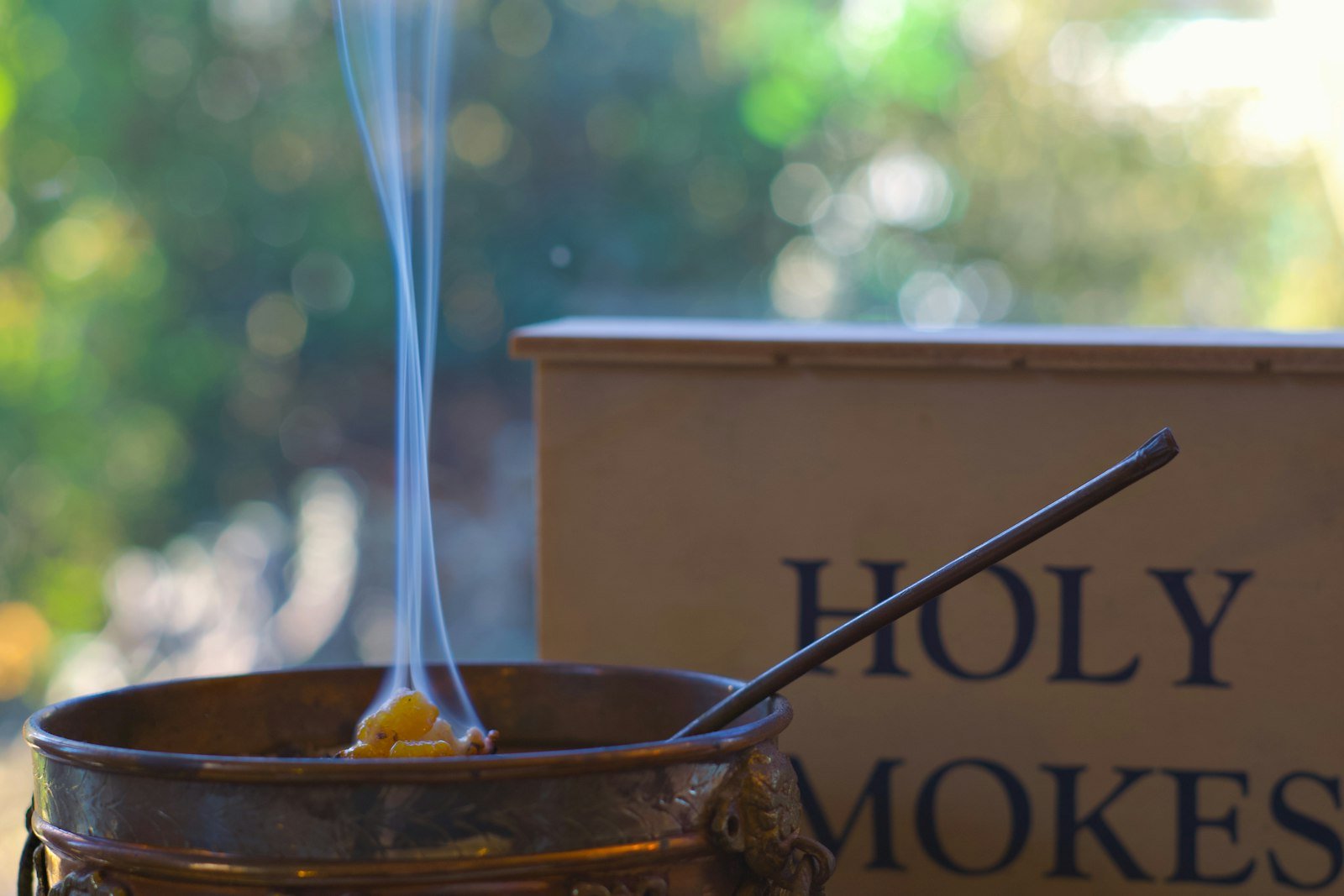
The Boswellia serrata tree is native to the mountainous regions of India, the Middle East, and Northern Africa. When the bark is cut, the tree releases a gum resin that hardens into amber-colored drops. Frankincense from related species was one of the most prized trade goods of the ancient world, valued alongside gold.
In India, Ayurvedic healers used shallaki for arthritis, inflammation, and pain, and also for some breathing and bowel complaints. In Ayurvedic terms, painful, stiff joints are often linked to an imbalance of vata and the buildup of ama, a kind of sluggish residue, and warming, drying resins like boswellia were used to help clear it. The language is different from modern biology, but the core observation matches what researchers now study: this resin seems to quiet joint inflammation.
How Boswellia Works in the Body
Boswellia resin contains a family of compounds called boswellic acids. The one researchers talk about most is AKBA (3-acetyl-11-keto-beta-boswellic acid). Lab research suggests these acids act on several inflammatory pathways at once, including the 5-lipoxygenase enzyme that helps the body make leukotrienes, which are signaling molecules that drive swelling and pain.
That is a different route from common over-the-counter pain relievers, which mainly block COX enzymes. It is one reason some researchers see boswellia as a useful companion within a broader joint-care plan rather than a copy of a drug. Some trials have also looked at markers of inflammation in the blood, such as hs-CRP, with mixed but promising results.
Why standardization matters
Raw resin varies a lot from tree to tree. Most clinical trials use extracts standardized to a set level of boswellic acids, often with an enhanced amount of AKBA. That standardization is part of why trial results are repeatable, and it is the main thing to look for on a label.
What the Research Shows

The big picture: a 2020 meta-analysis
In 2020, a systematic review and meta-analysis published in BMC Complementary Medicine and Therapies pooled the results of seven randomized controlled trials involving 545 people with osteoarthritis. Compared with control groups, boswellia and its extracts improved every main measure the researchers examined:
- Pain on a visual scale (VAS): about 8 points lower on a 100-point scale (6 trials).
- WOMAC pain score: about 14 points lower (4 trials).
- WOMAC stiffness: about 10 points lower (4 trials).
- WOMAC physical function: about 11 points better (4 trials).
- Lequesne index (an overall rating of knee and hip osteoarthritis severity): about 2 points better (6 trials).
The review found no statistically significant difference in side effects between boswellia and comparison groups. The authors were honest about the limits: the trials varied quite a bit from one another, and several were small or did not fully describe how participants were randomized. Still, the direction of the evidence was consistent across every outcome.
A recent trial: relief within days
In 2024, researchers in India published a double-blind, placebo-controlled trial in Frontiers in Pharmacology. They randomly assigned 105 adults with knee osteoarthritis to one of three groups: a standardized boswellia extract (with at least 30% AKBA) at 150 mg twice daily, the same extract at 300 mg twice daily, or a placebo, for 90 days.
Pain scores in both boswellia groups started to improve within about five days. By day 90, people taking the lower dose reported roughly 45% less pain on the visual scale, and those on the higher dose about 62% less. WOMAC scores for pain, stiffness, and function improved by roughly two-thirds to three-quarters from where they started, and people walked farther in a six-minute walk test. Side effects were few and mild, such as one case of headache and stomach upset that cleared within a day.
One thing to keep in mind: this extract was developed by the company that ran the study, so independent studies are welcome. Even so, it adds to a body of evidence that points in the same direction.
A longer pilot study
A smaller 2019 pilot trial in Phytotherapy Research followed 48 people with knee osteoarthritis for 120 days, which was longer than earlier boswellia studies. The boswellia group had less pain and stiffness and better physical function than the placebo group, along with lower hs-CRP, a blood marker of inflammation. No serious side effects were reported.
The Evidence at a Glance
| Study | Who and how long | What they found |
|---|---|---|
| 2020 meta-analysis, BMC Complementary Medicine and Therapies | 7 randomized trials, 545 people with osteoarthritis | Less pain and stiffness, better function; no significant difference in side effects vs. controls |
| 2024 trial, Frontiers in Pharmacology | 105 adults with knee osteoarthritis, 90 days | Pain relief began within about 5 days; 45-62% less pain by day 90 vs. little change on placebo |
| 2019 pilot trial, Phytotherapy Research | 48 adults with knee osteoarthritis, 120 days | Less pain and stiffness, better function, lower hs-CRP; no serious side effects |
How to Use Boswellia for Joint Pain
- Choose a standardized extract. Look for a product that lists its boswellic acid or AKBA content. Many studied extracts are standardized to a specific AKBA percentage, and a third-party testing seal adds confidence.
- Use studied amounts. Trials have commonly used daily totals of roughly 300 to 1,000 mg of extract, usually split into two doses. The U.S. National Center for Complementary and Integrative Health (NCCIH) notes that doses up to 1,000 mg a day have been used safely in trials lasting up to six months. Follow the label of the product you choose.
- Take it with meals. Boswellic acids are fat-soluble, and taking boswellia with breakfast and dinner, as in the 2024 trial, may help absorption and is gentler on the stomach.
- Give it time. Some people notice a change within the first week or two, but most studies measured the biggest benefits after one to three months.
- Keep a simple pain diary. Rate your pain and stiffness from 0 to 10 each morning and note how far you can walk comfortably. After a few weeks, you will have real information about whether it is helping you.
- Consider smart pairings. Boswellia is often combined with turmeric in Ayurvedic formulas. Our look at turmeric for joint pain covers what the trials show for that golden spice, and ginger for pain is another warming root with good evidence.
Build a whole-body joint plan
No single herb does all the work. Joints thrive on gentle, regular movement, so walking, cycling, swimming, and strengthening the muscles around the knee all help. Keeping a healthy weight reduces the load on knees and hips. An anti-inflammatory way of eating, rich in vegetables, fruit, legumes, olive oil, and oily fish, supports the same pathways boswellia works on. Hands-on therapies can add more: research on acupuncture for chronic pain shows lasting benefits for knee pain, and our guide to natural remedies for back pain and inflammation offers more ideas.
The Bottom Line
Boswellia is a fine example of traditional knowledge holding up under modern testing. The resin that Ayurvedic healers used for aching joints has been shown in randomized trials to ease osteoarthritis pain and stiffness and help people move more easily, often with few side effects. The research still has gaps, and bigger independent trials would help, but the evidence is solid enough that boswellia deserves a place in the conversation about natural joint care. Choose a standardized extract, give it a fair trial of several weeks, and use it as one part of a whole-body approach that includes movement, good food, and rest.
Frequently Asked Questions
Is boswellia the same as frankincense essential oil?
Not quite. Both come from Boswellia trees, but the clinical trials for joint pain used oral extracts of the resin standardized for boswellic acids. Steam-distilled essential oil contains mainly volatile aromatic compounds and very little of the boswellic acids, so it should not be swallowed as a substitute. NCCIH notes there is not enough evidence yet for topical boswellia in osteoarthritis.
How long does boswellia take to work?
In the 2024 trial, pain scores began to drop within about five days. However, most studies measured their largest benefits after one to three months of daily use, so plan on giving it at least several weeks.
Can I take boswellia with turmeric?
Yes, the two are often combined in Ayurvedic and modern joint formulas, and they appear to work on overlapping but different inflammatory pathways. If you take any prescription medicines, check the combination with your pharmacist.
Does boswellia help rheumatoid arthritis?
Boswellia has been used traditionally for many kinds of joint inflammation, but most of the solid clinical research is in osteoarthritis. Evidence for rheumatoid arthritis is still limited.
Safety note: Boswellia is generally well tolerated, though some people notice mild stomach upset or heartburn. Little is known about medicinal doses during pregnancy or breastfeeding, so it is best avoided then. If you take prescription medicines, including asthma medicines or blood thinners, ask your pharmacist or practitioner about possible interactions before starting.
Sources
- Effectiveness of Boswellia and Boswellia extract for osteoarthritis patients: a systematic review and meta-analysis. BMC Complementary Medicine and Therapies, 2020. link.springer.com/article/10.1186/s12906-020-02985-6
- Majeed A, Majeed S, Satish G, et al. A standardized Boswellia serrata extract shows improvements in knee osteoarthritis within five days: a double-blind, randomized, three-arm, parallel-group, multi-center, placebo-controlled trial. Frontiers in Pharmacology, 2024;15:1428440. frontiersin.org
- A pilot, randomized, double-blind, placebo-controlled trial to assess the safety and efficacy of a novel Boswellia serrata extract in the management of osteoarthritis of the knee. Phytotherapy Research, 2019;33(5):1457-1468. pubmed.ncbi.nlm.nih.gov/30838706
- National Center for Complementary and Integrative Health. Boswellia. nccih.nih.gov/health/boswellia
This article is for educational purposes and is not a substitute for personalized advice from a qualified health practitioner.





