











When most people think about exercising to lower blood pressure, they picture jogging, brisk walking, or cycling. Those are all excellent choices. But a landmark 2023 study found that a much less glamorous type of exercise beat them all: holding still.
Isometric exercises are movements where your muscles work hard without changing length. Think of a wall sit, a plank, or squeezing a handgrip. After pooling data from 270 clinical trials, researchers concluded that this kind of training produced the biggest drops in blood pressure. Best of all, it takes just a few minutes, a few times a week, and requires no equipment.
Key Takeaways
- High blood pressure affects nearly half of U.S. adults and is a major cause of heart attacks, strokes, and kidney disease.
- A 2023 analysis of 270 trials and nearly 16,000 people found all types of exercise lowered blood pressure.
- Isometric exercise lowered resting blood pressure the most, by an average of about 8 points systolic and 4 points diastolic.
- Wall sits were the single most effective exercise for lowering systolic (top number) pressure.
- Typical programs involve about 12 to 15 minutes a session, three times a week.
Understanding Blood Pressure
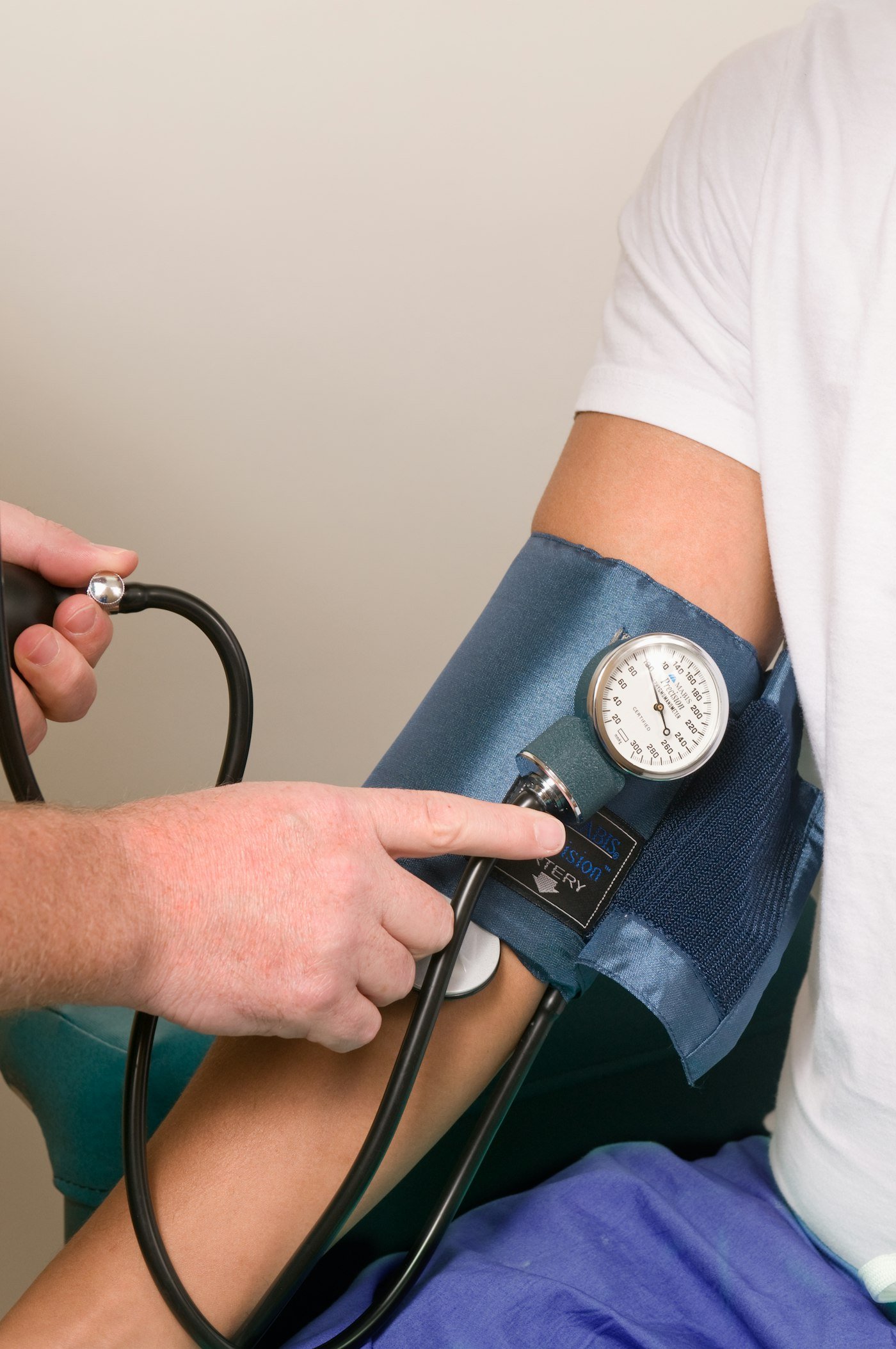
Blood pressure is the force of blood pushing against the walls of your arteries. It is written as two numbers, such as 128/82:
- Systolic (top number): pressure when your heart beats.
- Diastolic (bottom number): pressure when your heart rests between beats.
Under current American guidelines, a reading of 130/80 or higher is considered high blood pressure. It is often called the “silent killer” because it usually causes no symptoms while slowly damaging blood vessels, the heart, kidneys, brain, and eyes. Even modest reductions matter: lowering systolic pressure by 5 points reduces the risk of major cardiovascular events by roughly 10%.
The Study That Surprised Researchers
Researchers led by Dr. Jamie O’Driscoll at Canterbury Christ Church University in England gathered every randomized controlled trial they could find that tested exercise for blood pressure. The final analysis, published in the British Journal of Sports Medicine, included 270 trials and 15,827 participants. All interventions lasted at least two weeks.
Average Drop in Resting Blood Pressure by Exercise Type
| Exercise type | Systolic | Diastolic |
|---|---|---|
| Isometric (wall sits, planks, handgrips) | -8.2 | -4.0 |
| Combined aerobic + resistance | -6.0 | -2.5 |
| Dynamic resistance (weights) | -4.6 | -3.0 |
| Aerobic (walking, running, cycling) | -4.5 | -2.5 |
| High-intensity interval training | -4.1 | -2.5 |
Values in mmHg. Source: Edwards et al., British Journal of Sports Medicine, 2023.
Looking at individual exercises, wall sits were ranked most likely to lower systolic pressure, while running ranked best for diastolic pressure. In people who already had high blood pressure, the reductions were even larger.
An important point: every type of exercise helped. Isometric training is not a replacement for aerobic activity, which offers many other benefits for the heart, metabolism, and mood. Think of it as a powerful addition.
Why Would Holding Still Lower Blood Pressure?
Scientists are still studying the exact mechanisms, but leading theories include:
- A “squeeze and release” effect. During an isometric hold, muscles compress blood vessels and restrict blood flow. When you release, blood rushes back in. This surge appears to train blood vessels to relax and widen more easily over time.
- Better blood vessel lining function. Repeated flow changes stimulate the release of nitric oxide, a natural vessel relaxer.
- Calmer nervous system. Training may reduce the “fight or flight” signals that keep blood vessels tight.
How to Do a Wall Sit Safely
A typical program used in research involves four rounds of two minutes each, with two-minute rests, three times a week. That adds up to under 15 minutes a session. Here is how to start:
- Stand with your back flat against a wall, feet about shoulder-width apart and a step or two forward.
- Slide down slowly until your knees are bent. Beginners can stop at a shallow angle; you do not need to reach 90 degrees. Studies often adjusted the angle so the exercise felt hard but sustainable.
- Keep your knees over your ankles, not past your toes.
- Breathe steadily throughout. Never hold your breath, as straining can spike blood pressure temporarily.
- Hold for 30 seconds to start, working up toward two minutes over several weeks.
- Rest, then repeat for a total of three to four rounds.
Other isometric options include forearm planks, glute bridges held at the top, and squeezing a handgrip device at about 30% of your maximum strength.
Safety first
- If your blood pressure is above 160/100 or uncontrolled, talk to your doctor before starting isometric exercise.
- Stop if you feel chest pain, dizziness, severe shortness of breath, or knee pain.
- Do not stop prescribed blood pressure medication on your own. Exercise works alongside treatment.
More Natural Ways to Lower Blood Pressure
Exercise is one of several powerful lifestyle tools:
- Eat more potassium-rich foods such as leafy greens, beans, bananas, and potatoes, and less sodium. The DASH eating plan can lower systolic pressure by around 8 to 14 points.
- Lose a little weight. Each kilogram lost lowers blood pressure by roughly 1 point.
- Limit alcohol.
- Manage stress with breathing exercises, yoga, or time in nature.
- Sleep well and consistently.
Beetroot is a popular natural option because it is rich in nitrates that the body converts to nitric oxide. Try our beet juice recipe or our guide to juicing for high blood pressure. You can also learn how blood sugar and blood pressure are connected in Insulin Resistance and Hypertension: Beyond Salt.
The Bottom Line
You do not need a gym membership or hours of cardio to make a real difference in your blood pressure. A few minutes of wall sits or planks, three times a week, can lower readings about as much as some medications, according to the largest analysis of exercise trials to date. Combine it with regular aerobic activity and heart-healthy eating, monitor your numbers at home, and keep your doctor in the loop.
Frequently Asked Questions
How quickly will I see results?
Many studies saw meaningful drops within four to eight weeks of consistent training.
Is it safe to do isometric exercise if I have high blood pressure?
For most people with mild to moderate high blood pressure, yes, when done with steady breathing. Check with your doctor first if your blood pressure is severely high or you have heart disease.
Can I do wall sits every day?
Most studies used three sessions per week. More is not necessarily better, and your muscles benefit from rest days.
Should I still walk or run?
Yes. Aerobic exercise offers many benefits beyond blood pressure, including better fitness, mood, and blood sugar control.
Sources
- Edwards JJ, Deenmamode AHP, Griffiths M, et al. Exercise training and resting blood pressure: a large-scale pairwise and network meta-analysis of randomised controlled trials. British Journal of Sports Medicine, 2023;57(20):1317-1326.
- Whelton PK, Carey RM, et al. 2017 ACC/AHA Guideline for the Prevention, Detection, Evaluation, and Management of High Blood Pressure in Adults. Hypertension, 2018.
- Blood Pressure Lowering Treatment Trialists’ Collaboration. Pharmacological blood pressure lowering for primary and secondary prevention of cardiovascular disease across different levels of blood pressure. The Lancet, 2021.
This article is for educational purposes and is not medical advice. Talk to your doctor before starting a new exercise program, especially if you have high blood pressure or heart disease.