










Long before toothpaste aisles existed, people understood that the mouth reflects the health of the whole body. In Ayurveda, the condition of the gums and tongue was read as a sign of digestion and balance. Traditional Chinese Medicine linked bleeding gums to “heat” in the stomach and advised cooling, simple foods. And sailors of the 1700s learned the hard way that a diet without fresh produce led to scurvy, whose earliest sign was soft, bleeding gums.
Modern dentistry focuses, rightly, on brushing and cleaning between the teeth. But a growing body of research suggests that what we eat shapes how our gums respond to the bacteria living on them. Gingivitis, the early, reversible stage of gum disease, is at heart an inflammatory condition, and food is one of our most powerful tools for calming inflammation.
Key Takeaways
- In a 2019 randomized trial, people with gingivitis who switched to a whole-food, anti-inflammatory diet for four weeks had significantly less gum bleeding, even though their plaque levels didn’t change.
- A 2021 review linked bleeding gums to low blood levels of vitamin C, and found that raising vitamin C intake reduced bleeding in people who were low.
- A 2023 meta-analysis found that omega-3 fatty acids, added to standard deep cleaning, led to better healing of gum pockets in people with periodontitis.
- Among 940 Japanese men, each daily cup of green tea was associated with healthier gum measurements.
- Diet works best alongside, not instead of, brushing, cleaning between teeth, and regular dental care.
The Freiburg Trial: Changing Food, Not Brushing
Researchers at the University of Freiburg in Germany, led by dentist Johan Woelber, designed a clever experiment. They recruited 30 people with gingivitis and randomly split them into two groups. One group kept eating as usual. The other followed an anti-inflammatory diet for four weeks: low in processed carbohydrates and animal protein, and rich in omega-3 fats, vitamin C, vitamin D, antioxidants, plant nitrates, and fiber.
Here is the twist. To isolate the effect of food, both groups were asked to stop flossing and using other between-the-teeth cleaning tools during the study. That meant any difference in gum health would be due to diet rather than better cleaning.
After four weeks, the amount of plaque on the teeth was about the same in both groups. Yet the diet group had a significant reduction in gum bleeding. They also lost weight and had higher vitamin D levels. The findings were published in the Journal of Clinical Periodontology in 2019.
The lesson is striking: the same bacteria provoked less inflammation when the body was well nourished. Plaque may light the match, but diet seems to influence how big the fire gets.
The Nutrients That Matter Most for Gums
Vitamin C: the old sailor’s lesson, updated
Vitamin C helps the body make collagen, the protein that keeps gum tissue firm and its tiny blood vessels strong. In 2021, Philippe Hujoel, a dentist and professor at the University of Washington, published a review in Nutrition Reviews that combined 15 clinical trials (1,140 mostly healthy people in six countries) with survey data from more than 8,000 Americans. Gums that bled easily when gently probed were linked to low vitamin C in the blood, and increasing vitamin C intake in people with low levels reduced the bleeding.
Hujoel’s practical advice was to favor whole foods such as kale, peppers, and kiwi. That fits neatly with our earlier article on vitamin C foods and collagen, and with the research on the humble kiwi as a nutrient-dense fruit.
Omega-3 fats: support for deeper healing
When gingivitis progresses to periodontitis, pockets form between the gums and teeth. The standard treatment is a professional deep cleaning called scaling and root planing. A 2023 meta-analysis in Clinical and Experimental Dental Research pooled seven studies in which omega-3 fatty acids were added to this treatment. In both key measures, pocket depth and attachment of the gum to the tooth, people who took omega-3s improved significantly more than those who had the cleaning alone. Oily fish such as salmon, sardines, and mackerel, plus walnuts and flaxseed, are natural sources.
Green tea: a traditional gum-friendly drink
In East Asia, green tea has long been valued as a cleansing drink after meals. A 2009 study in the Journal of Periodontology looked at 940 Japanese men aged 49 to 59. For every additional daily cup of green tea, the men had shallower gum pockets, less loss of gum attachment, and less bleeding. This was an observational study, so it can’t prove that tea caused the difference, but researchers point to green tea’s catechins, plant compounds with anti-inflammatory activity.
Fewer refined carbs and processed foods
Sugars and refined starches feed the bacteria that form plaque and are thought to promote inflammation more broadly. The Freiburg diet cut them back sharply. Learning to eat fewer ultra-processed foods is one of the most useful shifts you can make for your mouth and the rest of your body.
What the Research Shows
| Approach | Study | Finding |
|---|---|---|
| Anti-inflammatory whole-food diet | Randomized trial, 30 people, 4 weeks (2019) | Significantly less gum bleeding; plaque unchanged |
| Vitamin C | Review of 15 trials plus U.S. survey data (2021) | Low vitamin C linked to bleeding gums; more vitamin C reduced bleeding in those who were low |
| Omega-3 fatty acids | Meta-analysis of 7 studies (2023) | Better pocket depth and attachment when added to deep cleaning |
| Green tea | Observational study, 940 men (2009) | Each daily cup linked to healthier gum measurements |
How to Build a Gum-Friendly Plate: 7 Practical Steps
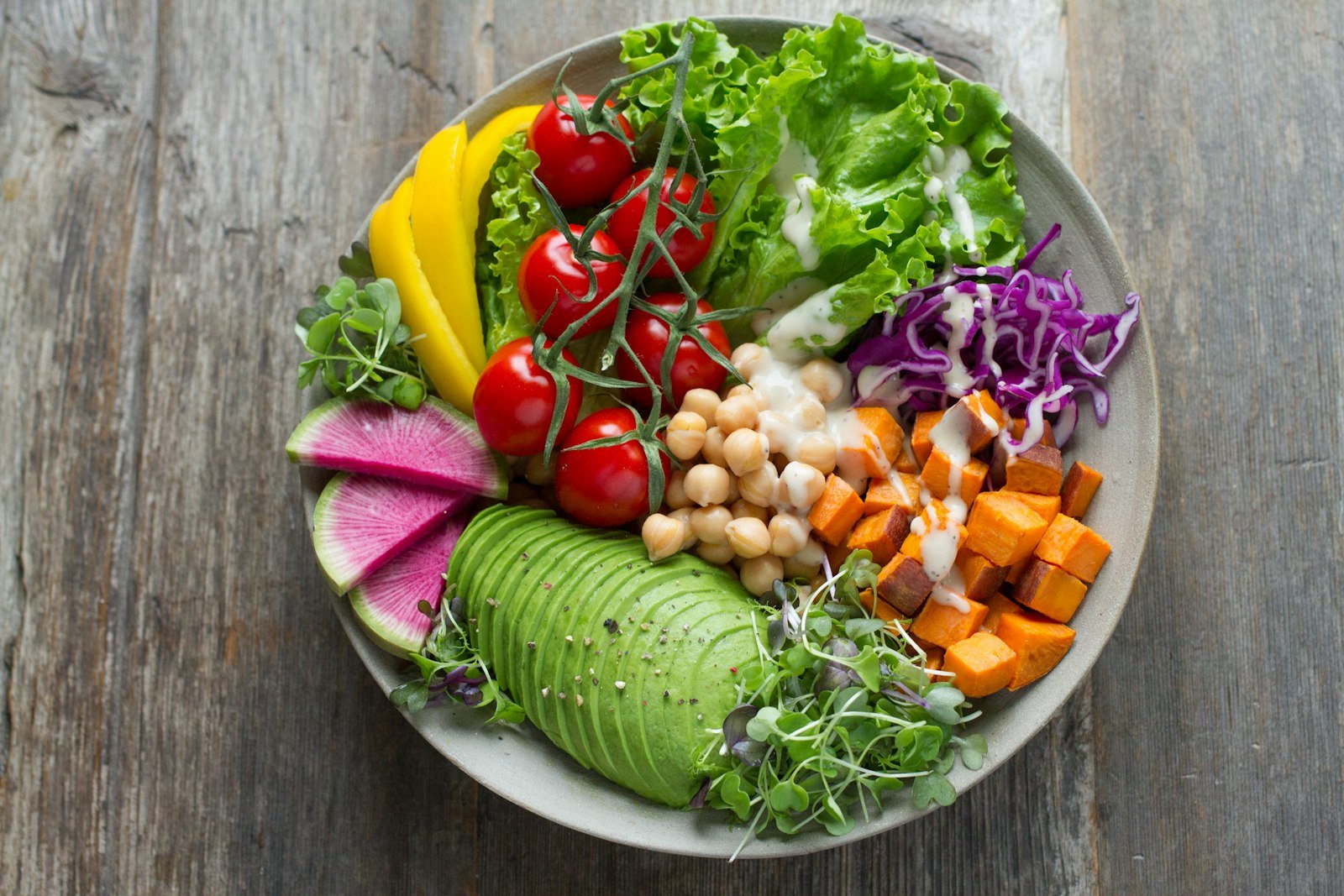
- Eat a vitamin C food every day. Bell peppers, kiwi, citrus, strawberries, broccoli, and kale are all excellent. Raw or lightly cooked versions keep more of the vitamin.
- Have oily fish twice a week. If you don’t eat fish, include walnuts, ground flaxseed, and chia seeds regularly.
- Load up on leafy greens and beets. These are rich in natural nitrates, one of the components of the Freiburg diet.
- Swap refined grains for whole ones. Choose oats, brown rice, and whole-grain bread over white bread, pastries, and sweetened cereals.
- Keep sweets and sugary drinks occasional. When you do have them, enjoy them with a meal rather than sipping or snacking throughout the day.
- Make green tea a daily ritual. A cup after lunch is a gentle, traditional habit. Unsweetened is best for your teeth.
- Keep up the basics. Brush twice a day, clean between your teeth, and pair your new diet with traditional practices you enjoy, such as oil pulling or the miswak chewing stick.

The Bottom Line
Bleeding gums are not just a brushing problem. A randomized trial showed that an anti-inflammatory, whole-food diet reduced gum bleeding in just four weeks, even without changing plaque levels. Supporting research points to vitamin C, omega-3 fats, and green tea as especially helpful. Traditional healers who read the gums as a mirror of the body were onto something: when you nourish the whole system, your mouth responds. Combine a colorful, minimally processed diet with good daily cleaning, and you give your gums the best possible chance to stay firm, pink, and healthy.
Frequently Asked Questions
How fast can diet changes improve bleeding gums?
In the Freiburg trial, the difference showed up within four weeks. Results will vary from person to person, and diet works best alongside regular brushing and cleaning between the teeth.
Should I take a vitamin C supplement for my gums?
Whole foods are the first choice. Hujoel suggested that people who struggle to eat enough fruits and vegetables could consider a modest supplement of about 100 to 200 milligrams a day.
Can diet reverse gum disease?
Gingivitis, the early stage, is reversible, and diet appears to help. Periodontitis, the advanced stage, involves damage to the tissues holding the teeth, and needs professional care. Research suggests nutrition, especially omega-3s, can support that treatment.
Does it matter if my green tea is hot or iced?
The research did not compare temperatures. What matters most is drinking it regularly and keeping it unsweetened.
Safety note: Omega-3 supplements in higher doses can add to the effect of blood-thinning medicines. If you take a blood thinner or have a procedure coming up, check with your practitioner before adding fish oil capsules. Food sources are generally safe for everyone.
Sources
- ScienceDaily: Anti-inflammatory, plant-based diet helps reduce gingivitis (Woelber JP et al., Journal of Clinical Periodontology, 2019; DOI 10.1111/jcpe.13094)
- ScienceDaily: Bleeding gums may indicate you need more vitamin C (Hujoel PP, Nutrition Reviews, 2021)
- Effects of omega-3 as an adjuvant in the treatment of periodontal disease: a systematic review and meta-analysis. Clinical and Experimental Dental Research, 2023
- ScienceDaily: Green tea may help keep gums healthy (Kushiyama M et al., Journal of Periodontology, 2009)
This article is for educational purposes and is not a substitute for personalized advice from a qualified health practitioner.