









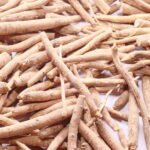

Long before the first nylon toothbrush was sold in 1938, people around the world kept their teeth clean with what nature provided. The most famous of these natural tools is the miswak, a chewing stick cut from the roots or twigs of the Salvadora persica tree, also called the arak or “toothbrush tree.”
Miswak has been used for an estimated 7,000 years, from ancient Babylon to the Roman Empire, and remains a daily habit for millions of people across the Middle East, Africa, and South Asia. It holds a special place in Islamic tradition. And today, modern clinical trials confirm what generations of users have long known: this humble twig is a remarkable oral health tool.
Key Takeaways
- Miswak is a natural chewing stick from the Salvadora persica tree, used for thousands of years.
- A 2022 systematic review of nine clinical trials found miswak reduced plaque and gum inflammation to a level comparable to a toothbrush.
- Using miswak in addition to a toothbrush gave significantly better results than a toothbrush alone.
- Miswak naturally contains fluoride, silica, tannins, essential oils, and antibacterial compounds.
Nature’s Complete Dental Kit
What makes miswak so special is that it is both a brush and a medicine. When the end is chewed, its fibers fan out into natural bristles. As you brush, the stick releases a blend of beneficial compounds:
- Natural fluoride, which helps strengthen tooth enamel.
- Silica, a gentle natural abrasive that polishes away stains.
- Tannins, astringent plant compounds that tighten and soothe gum tissue.
- Benzyl isothiocyanate and other sulfur compounds, which give miswak its slightly peppery taste and have natural antibacterial activity against cavity- and gum-disease-causing bacteria.
- Vitamin C and calcium, which support gum and tooth health.
Miswak also stimulates saliva flow, one of the mouth’s most important natural defenses.
What the Research Shows
In 2022, researchers from Universiti Sains Islam Malaysia and the National University of Malaysia published a systematic review in the Journal of Ethnopharmacology. They analyzed nine randomized controlled trials comparing miswak with ordinary toothbrushes.
Miswak in Clinical Trials
| Comparison | Plaque | Gum inflammation |
|---|---|---|
| Miswak alone vs. toothbrush | Comparable | Comparable |
| Miswak + toothbrush vs. toothbrush alone | Significantly better | Significantly better |
Source: Ramli et al., Journal of Ethnopharmacology, 2022.
The authors concluded that miswak “effectively reduced plaque and gingivitis scores to a level comparable to toothbrush,” and that using it as an addition to regular brushing was particularly effective. Other research has found that miswak extracts, used as a mouth rinse, also help reduce plaque and harmful bacteria.
How to Use a Miswak
- Prepare the tip. Peel or cut away about 1 centimeter (half an inch) of bark from one end.
- Soften it. Chew the exposed end gently or soak it in water for a few minutes until the fibers separate into bristles.
- Brush gently. Use short up-and-down and side-to-side strokes along the teeth and gumline, reaching inner and outer surfaces.
- Rinse the stick after use and store it in a clean, dry place.
- Refresh the bristles. Every day or two, cut off the used bristles and expose a fresh section.
- Replace the stick when it gets too short to hold comfortably.
Many people keep a miswak in a pocket or bag to freshen their mouth throughout the day, after meals, or before prayer, as is traditional.
A Natural Oral Care Routine
Miswak fits beautifully into a holistic approach to oral health:
- Use miswak once or more daily, alongside regular brushing.
- Try oil pulling, another ancient tradition, to reduce oral bacteria.
- Eat crunchy vegetables, leafy greens, and calcium-rich foods to nourish teeth and gums. See our guide to foods that naturally strengthen your teeth.
- Limit sugar and sticky refined snacks that feed harmful bacteria.
- Support your oral microbiome with fermented foods and a diverse diet.
The Bottom Line
The miswak is a beautiful example of traditional wisdom confirmed by science. This simple twig cleans teeth about as well as a modern toothbrush, carries its own natural antibacterial compounds, and adds even more benefit when used alongside your regular routine. It is inexpensive, biodegradable, and connects us to one of humanity’s oldest healthy habits.
Frequently Asked Questions
Where can I buy miswak?
Miswak is sold in many Middle Eastern and South Asian grocery stores and online. Look for vacuum-sealed sticks to keep them fresh.
Does it taste strange?
Fresh miswak has a slightly spicy, earthy flavor, similar to a mild radish or mustard. Most people quickly grow to enjoy it.
Can children use miswak?
Yes, with supervision and gentle brushing. Children should still use a fluoride toothpaste as well.
A note on technique: Brush gently with the softened bristles, not the hard bark, to avoid irritating the gums.
Sources
- Ramli H, Nor Aripin KN, Mohd Said S, et al. The effectiveness of miswak (Salvadora persica L. and Azadirachta indica A. Juss.) practices in reducing plaque and gingivitis among adults: a systematic review and meta-analysis. Journal of Ethnopharmacology, 2022. Summary via The National Elf Service.
- The antiplaque/anticariogenic efficacy of Salvadora persica (Miswak) mouthrinse in comparison to that of chlorhexidine: a systematic review and meta-analysis. 2019.
This article is for educational purposes and is not a substitute for personalized advice from a qualified dental practitioner.





