












Long before anyone could measure insulin, healers noticed that the body keeps time. In Ayurveda, the daily routine called dinacharya asks us to rise before the sun, take the largest meal at midday when digestive fire is said to burn brightest, eat lightly in the evening, and be in bed around 10 p.m., while the heavy, settling quality of the evening hours still makes sleep come easily. Farm families on nearly every continent lived by a similar clock, and Benjamin Franklin’s “early to bed and early to rise” put the folk wisdom into a single line.
Modern science has turned out to agree with these traditions more than it disagrees. Over the past 25 years, sleep laboratories have shown that cutting sleep short, or letting bedtimes drift from night to night, can make the body handle sugar less smoothly within days. The good news runs the other way too: when sleep improves, insulin often starts working better again.
Key Takeaways
- In a landmark 1999 study, six nights of four-hour sleep left healthy young men taking about 40% longer to bring their blood sugar down after a carbohydrate meal, and the effects reversed with recovery sleep.
- Even mild sleep loss counts: when women went to bed 90 minutes late for six weeks, their insulin resistance rose by nearly 15%, and by more than 20% in postmenopausal women.
- Late bedtimes and irregular sleep are linked with bigger glucose swings, even when total sleep looks similar.
- Eating dinner close to bedtime raised peak blood sugar by about 18% in a controlled trial.
- Getting more sleep, keeping a steady schedule, an earlier and lighter dinner, and a dark bedroom are all natural ways to support healthier glucose.
Why Sleep Matters for Blood Sugar
Insulin is the hormone that moves sugar out of the bloodstream and into muscle, liver and fat cells. When cells respond well, a small amount of insulin does the job. When they become “resistant,” the pancreas has to push out more insulin to get the same result, and over years that extra strain is one of the main roads toward type 2 diabetes.
Sleep touches this system in several ways. A short night tends to raise evening cortisol, a stress hormone that pushes blood sugar up, and it nudges the nervous system toward “fight or flight.” It also confuses the internal clock that tells the liver, muscles and pancreas when to expect food. We handle sugar best during the active day, so late bedtimes, bright light at midnight or a big meal before sleep can all make glucose control less efficient.
What the Research Shows
The sleep debt study that started it all
In 1999, Karine Spiegel, Rachel Leproult and Eve Van Cauter at the University of Chicago published a study in The Lancet that changed how scientists think about sleep. Eleven healthy, lean young men spent 16 nights in the lab: three nights of eight hours in bed, six nights of just four hours, then a week of 12-hour recovery nights.
At the height of their sleep debt, the men needed about 40% longer than usual to clear sugar after a high-carbohydrate breakfast, and their insulin response fell by roughly 30%. Their morning results would have met the criteria for impaired glucose tolerance, an early warning stage before diabetes. The encouraging part: once they caught up on sleep, these changes returned to normal.
A small nightly shortfall adds up
Few people sleep four hours a night, so a newer question was whether everyday sleep loss matters. A 2023 trial in Diabetes Care, led by Faris Zuraikat and Marie-Pierre St-Onge at Columbia University, tested exactly that. Thirty-eight healthy women who usually slept at least seven hours spent six weeks on their normal schedule and six weeks going to bed 90 minutes later, bringing them down to about six hours a night.
During the shorter-sleep phase, insulin resistance rose by nearly 15% overall and by more than 20% among postmenopausal women. Fasting insulin went up by over 12%. Average blood sugar stayed steady, which means the pancreas was working harder to hold the line, and the changes were not explained by gains in body fat. This kind of quiet strain can build for years before anything shows up on a routine blood test.
Timing and regularity, not just hours
When you sleep, and how consistent you are, also seem to matter. In the PREDICT study, researchers tracked 953 healthy adults with wrist sensors and continuous glucose monitors across more than 8,000 standardized meals. Published in Diabetologia in 2022, the analysis found that more efficient sleep was linked to lower blood sugar after breakfast. A later sleep midpoint (going to bed and waking later) and nights that strayed from a person’s usual pattern were both linked to poorer glucose control the next morning.
A 2025 study in JAMA Network Open tracked the sleep habits of more than 1,100 middle-aged and older adults in Guangzhou, China, over several years, then had them wear glucose monitors for 14 days. Persistently short sleepers had larger glucose swings and less time in the healthy range, persistently late sleepers had more variability than early sleepers, and short plus late sleep looked worst. The study used self-reported sleep and cannot prove cause and effect, but it points the same way as the lab trials. It also fits our earlier look at why going to bed at the same time may matter more than how long you sleep.
Late dinners and late-night light
Food timing is part of the same clock. In a randomized crossover trial at Johns Hopkins, published in the Journal of Clinical Endocrinology & Metabolism in 2020, 20 healthy volunteers ate the same dinner at either 6 p.m. or 10 p.m., with bedtime at 11 p.m. both times. After the late dinner, peak blood sugar was about 18% higher, and the body burned about 10% less fat overnight. That is very close to the light, early supper Ayurveda has recommended for centuries.
Light in the bedroom may play a role too. A 2022 Northwestern University study in PNAS found that sleeping just one night in a moderately lit room (about the brightness of overhead indoor lighting) raised heart rate during sleep and increased insulin resistance the next morning, compared with sleeping in near darkness.
The reassuring side: more sleep can help
In a 2015 study in the journal Sleep, Rachel Leproult and colleagues in Brussels asked 16 healthy adults who habitually shortchanged their weekday sleep to spend an extra hour in bed each night for six weeks. They gained about 45 minutes of weekday sleep on average, and those who gained the most showed the clearest improvements in fasting insulin sensitivity. The body responds when we give back the rest it needs.
The Evidence at a Glance
| Study | Who | What they found |
|---|---|---|
| Spiegel, Leproult & Van Cauter, The Lancet, 1999 | 11 healthy young men | Six nights of 4-hour sleep slowed glucose clearance by about 40% and cut insulin response about 30%; reversed with recovery sleep |
| Zuraikat et al., Diabetes Care, 2023 | 38 healthy women | Going to bed 90 minutes late for six weeks raised insulin resistance nearly 15% (over 20% after menopause) |
| PREDICT study, Diabetologia, 2022 | 953 healthy adults | Poorer sleep efficiency, later sleep timing and nights that broke routine were linked to higher blood sugar after breakfast |
| Shen et al., JAMA Network Open, 2025 | 1,156 adults aged 46 to 83 | Persistently short or late sleep was linked to larger glucose swings on 14-day monitoring |
| Gu et al., J Clin Endocrinol Metab, 2020 | 20 healthy adults | Dinner at 10 p.m. instead of 6 p.m. raised peak glucose about 18% and cut overnight fat burning about 10% |
| Leproult et al., Sleep, 2015 | 16 habitual short sleepers | An extra hour in bed for six weeks added about 45 minutes of sleep; the biggest sleep gains came with better insulin sensitivity |
A Natural Daily Rhythm for Steadier Blood Sugar
These steps borrow from dinacharya and the research above. Start with one or two and let them become habit.
- Pick a bedtime and wake time, and keep them on weekends too. Aim for at least seven hours and keep your schedule within about an hour day to day. If you usually run short, move bedtime earlier in small steps, as the Brussels volunteers did.
- Greet the morning light. Step outside or sit by a bright window soon after waking. Daylight is your body clock’s strongest signal, and a clear morning cue makes it easier to feel sleepy at a sensible hour.
- Make lunch the main meal and dinner earlier and lighter. Try to finish eating two to three hours before bed. Building that meal around vegetables, beans and protein helps too; our guide to eating your vegetables first and other habits that tame blood sugar spikes covers the details.
- Take a gentle walk after dinner. Ten to fifteen minutes of easy walking helps your muscles pull sugar from the blood after a meal, and it can help you wind down for the night.
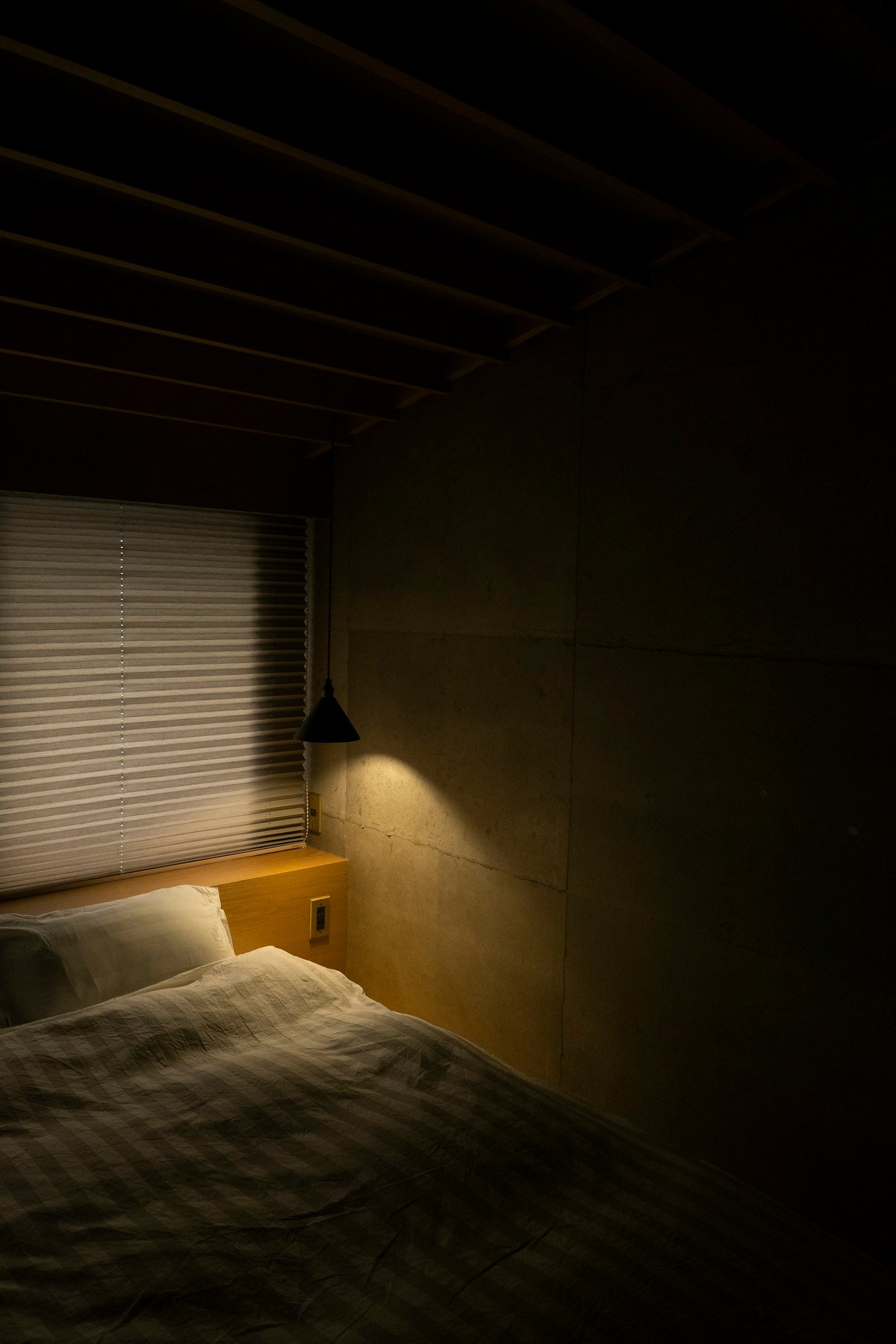
- Dim the lights and darken the bedroom. Lower the lights in the last hour before bed, keep screens out of the bedroom, and use blackout curtains or an eye mask.
- Build a calming wind-down ritual. Caffeine-free herbal tea, slow breathing or light stretching all tell the body the day is done. Chamomile is a traditional favorite, and one small 8-week trial in people with type 2 diabetes found that chamomile tea after meals three times a day improved HbA1c and insulin resistance. That is too small to call proof, but it is a gentle addition to an evening routine.
- Treat sleep as part of your blood sugar plan. If you already use foods or herbs such as fenugreek and cinnamon or berberine, good sleep gives them a steadier foundation to work from. Better sleep also supports appetite control, as we explored in how one extra hour of rest cut calories.
The Bottom Line
Sleep is when your body resets how it handles sugar. Lab studies show that both severe and mild sleep loss make insulin work less well, larger studies link late, short and irregular sleep with bigger glucose swings, and the effects can improve when sleep improves. Ayurveda’s rhythm of rising early, eating the main meal at midday, taking a light early supper and sleeping by about 10 p.m. lines up remarkably well with these findings. For anyone supporting their blood sugar naturally, a steady, restful night may be one of the most powerful and least expensive tools available.
Frequently Asked Questions
How quickly can poor sleep affect blood sugar?
Fairly quickly. Glucose handling changed within a week of short sleep in the 1999 study, and in PREDICT a single poor or unusual night was linked to higher blood sugar after the next breakfast.
Can I make up for lost sleep on the weekend?
Recovery sleep helps, but swinging between short weeknights and long lie-ins creates its own irregularity. Enough sleep on a steady schedule is the better goal.
Is it bad to eat right before bed?
It is better to leave a gap. In the Johns Hopkins trial, a 10 p.m. dinner raised peak glucose more than the same meal at 6 p.m. Finishing two to three hours before bed is a practical target.
Does herbal tea lower blood sugar?
Chamomile has one small encouraging trial in type 2 diabetes, but the bigger benefit of calming teas likely comes from the better sleep a soothing ritual supports.
Safety note: If you take insulin or other glucose-lowering medicines, changes to meal timing can affect your readings, so keep monitoring as usual. Loud snoring, gasping at night or heavy daytime sleepiness can signal sleep apnea, which affects blood sugar and is worth having checked.
Sources
- ScienceDaily (University of Chicago): Lack of sleep alters hormones, metabolism (Spiegel, Leproult & Van Cauter, The Lancet, 1999)
- EurekAlert (Columbia University): Mild sleep restriction and insulin resistance in women (Zuraikat et al., Diabetes Care, 2023)
- PREDICT study: Impact of insufficient sleep on dysregulated blood glucose control under standardised meal conditions. Diabetologia, 2022
- EMJ: Study links poor sleep patterns to blood sugar fluctuations (Shen et al., JAMA Network Open, 2025)
- EurekAlert (Endocrine Society): People who eat a late dinner may gain weight (Gu et al., JCEM, 2020)
- Northwestern Now: Close the blinds during sleep to protect your health (PNAS, 2022)
- Université libre de Bruxelles: Additional sleep and insulin sensitivity (Leproult et al., Sleep, 2015)
- Zemestani, Rafraf & Asghari-Jafarabadi. Chamomile tea improves glycemic indices in type 2 diabetes. Nutrition, 2016
This article is for educational purposes and is not a substitute for personalized advice from a qualified health practitioner.