










Long before anyone had heard of antioxidants, traditional healers prized the pungent, sulfur-scented foods of the kitchen. In Ayurveda, garlic (known as rasona) was valued as a warming, cleansing food. Traditional Chinese Medicine used garlic, onions and leafy brassicas to move stagnation and support the body in clearing what it no longer needs. Folk healers across Europe hung garlic braids in the kitchen and served cabbage soup to the sick.
Modern science has given us a new way to understand part of that wisdom. Many of these foods help the body build and recycle glutathione, a small molecule made inside almost every cell. Researchers often call it the body’s “master antioxidant,” and it sits at the center of the liver’s detox work. The good news is that you can support it with ordinary food and daily habits.
Key Takeaways
- Glutathione is a tiny protein made from three amino acids (cysteine, glycine and glutamate) that your cells produce on their own.
- It neutralizes harmful free radicals and helps the liver tag toxins so they can be flushed out of the body.
- Glutathione levels tend to fall with age; a 2023 randomized trial found that glycine plus N-acetylcysteine (GlyNAC) corrected that shortfall in older adults.
- Eating glutathione itself does not reliably raise blood levels, but supplying its building blocks and “helper” nutrients does.
- Sulfur-rich vegetables, quality protein, vitamin C-rich produce and good sleep all help your body keep its glutathione stores topped up.
What Glutathione Does in Your Body
Think of glutathione as your cells’ cleanup crew. Every day, normal metabolism, air pollution, alcohol, fried foods and even hard exercise create reactive molecules called free radicals. Glutathione donates electrons to quench them, then gets “recharged” so it can be used again.
It also plays a hands-on role in detoxification. In the second phase of liver detox, enzymes called glutathione S-transferases attach glutathione to fat-soluble chemicals. That turns them into water-soluble compounds your body can send out through bile and urine. This is the same pathway that the sulforaphane in broccoli sprouts helps switch on, and it works hand in hand with liver herbs such as milk thistle.
In short, the more glutathione your cells have on hand, the better equipped they are to handle everyday wear and tear.
Why Levels Drop
Glutathione stores are not fixed. Aging, chronic stress, poor sleep, heavy drinking, smoking and a diet low in protein and produce can all drain them. Researchers at Baylor College of Medicine have spent years showing that older adults often have markedly lower glutathione than younger people, and that this shortfall is tied to higher oxidative stress and weaker energy production in cells.
What the Research Shows
Building Blocks Matter: The GlyNAC Trial
The most striking recent study comes from a team led by Dr. Rajagopal Sekhar at Baylor College of Medicine. In a randomized, placebo-controlled trial published in the Journals of Gerontology in 2023, 24 older adults took either GlyNAC (glycine plus N-acetylcysteine, a stable form of cysteine) or a placebo for 16 weeks. Twelve young adults also took GlyNAC for two weeks for comparison.
The older adults started out with clear glutathione deficiency. After 16 weeks, the GlyNAC group, but not the placebo group, saw that deficiency corrected, along with improvements in oxidative stress, mitochondrial function, inflammation markers and measures of physical function. The supplement was safe and well tolerated. The trial was small, so larger studies are needed, but it supports a simple idea: when the body gets enough raw materials, it can rebuild its own glutathione.
Can You Take Glutathione Directly?
For years, many experts believed swallowed glutathione was simply broken down in the gut. Earlier research supported some of that doubt. A 1994 study in Nutrition and Cancer estimated glutathione intake from the diets of 69 adults and found that fruits and vegetables supplied more than half of it, yet dietary intake was not linked to higher glutathione in the blood.
A 2015 study from Penn State, published in the European Journal of Nutrition, added an important twist. In a six-month randomized, double-blind trial of 54 non-smoking adults, a daily oral glutathione supplement did raise body stores. At 1,000 mg a day, glutathione rose by roughly 30 to 35% in red blood cells, plasma and immune cells, and natural killer (immune) cell activity more than doubled at three months compared with placebo. Levels slipped back to baseline after people stopped. So supplements can help, but food and habits remain the everyday foundation.
Vitamin C: Glutathione’s Partner
Antioxidants work as a team. Vitamin C helps recycle used glutathione back into its active form. In a small, placebo-controlled study in the American Journal of Clinical Nutrition (1993), healthy adults on a low-vitamin C diet took 500 mg of vitamin C daily for two weeks. Their red blood cell glutathione rose by nearly 50% on average. Taking 2,000 mg did not boost levels any further, and the benefit faded when vitamin C was stopped. That points to steady daily intake rather than mega-doses.
The Evidence at a Glance
| Study | Who and How Long | What Was Found |
|---|---|---|
| Kumar et al., J Gerontol A, 2023 (GlyNAC) | 24 older adults, 16 weeks, randomized vs. placebo | Corrected glutathione deficiency; improved oxidative stress, inflammation and physical function |
| Richie et al., Eur J Nutr, 2015 | 54 adults, 6 months, randomized vs. placebo | 1,000 mg/day oral glutathione raised blood stores about 30-35% |
| Johnston et al., Am J Clin Nutr, 1993 | Healthy adults, 6-week placebo-controlled sequence | 500 mg/day vitamin C raised red blood cell glutathione by nearly 50% |
| Flagg et al., Nutr Cancer, 1994 | 69 adults, diet survey | Fruits and vegetables supply over half of dietary glutathione; intake alone did not predict blood levels |
Foods That Help Your Body Make Glutathione
Because your cells build glutathione themselves, the smartest food strategy is to supply the ingredients and the helpers.
Sulfur-Rich Vegetables
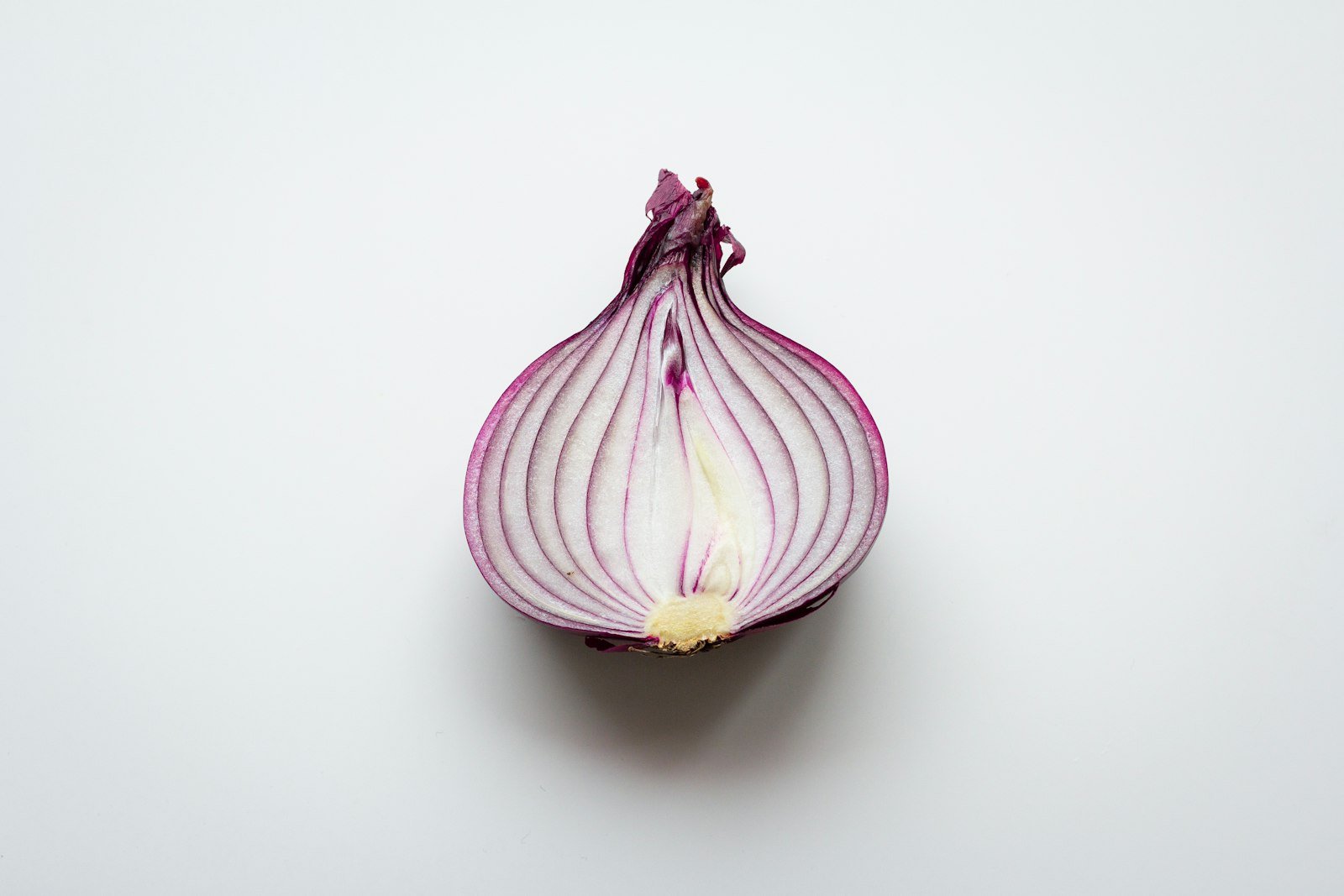
Broccoli, cabbage, kale, Brussels sprouts, cauliflower, arugula, garlic, onions, leeks and shallots are rich in sulfur compounds. Cruciferous vegetables also contain glucosinolates, which turn into sulforaphane when chopped or chewed. Sulforaphane activates a cellular switch called Nrf2 that ramps up the enzymes your body uses to make and use glutathione.
Quality Protein
Cysteine is usually the limiting building block. Eggs, poultry, fish, legumes, lentils, sunflower seeds and whey protein all supply it. Glycine is plentiful in bone broth, collagen-rich cuts and gelatin, which is one reason grandmothers’ broth recipes still hold up.
Antioxidant Helpers
Vitamin C (citrus, kiwi, bell peppers, guava), selenium (a Brazil nut or two, seafood, eggs) and the antioxidants in colorful produce help keep glutathione in its active, recycled form. Mushrooms bring their own rare antioxidant, ergothioneine, which we covered in our guide to mushrooms for healthy aging.
How to Support Your Glutathione: 7 Practical Steps
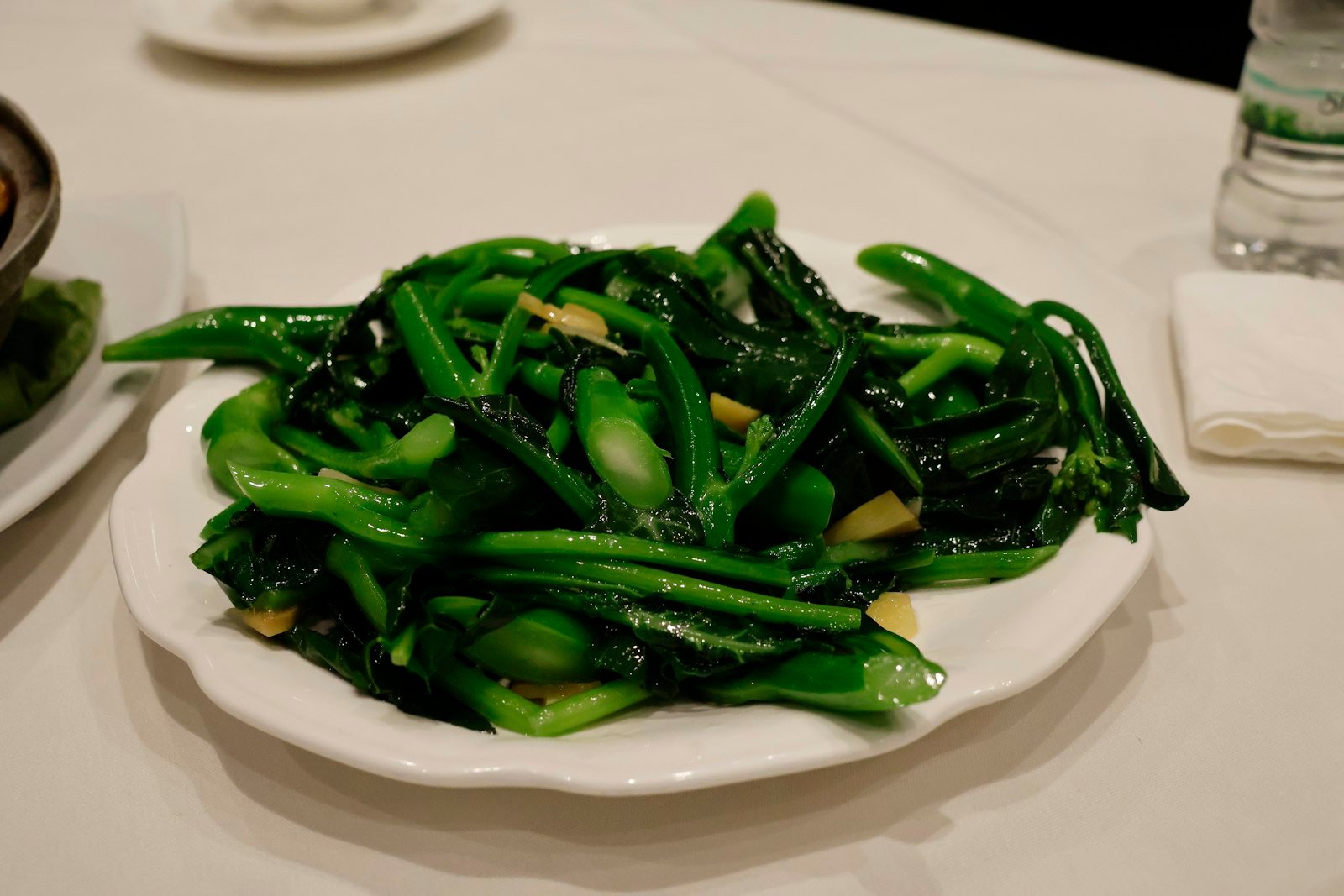
- Eat a cruciferous vegetable every day. Rotate broccoli, cabbage, kale and Brussels sprouts. Chop them and let them sit for a few minutes before cooking to boost sulforaphane, and steam lightly rather than boiling.
- Cook with garlic and onions. Crush garlic and let it rest 10 minutes before heating, a traditional step that also helps preserve its active compounds.
- Include protein at each meal. Aim for a palm-sized portion of eggs, fish, poultry, beans or lentils to keep cysteine coming in.
- Sip bone broth or add collagen. These are easy, time-honored sources of glycine.
- Get vitamin C daily from food. A kiwi, an orange or half a red bell pepper goes a long way. Steady intake matters more than large doses.
- Add fiber. Gel-forming fibers such as oats and barley help carry toxins out once the liver has packaged them; see our post on oat fiber and forever chemicals.
- Protect your sleep and move your body. Regular, moderate exercise and seven to nine hours of sleep help keep oxidative stress in check, so your glutathione is not constantly being used up.
The Bottom Line
Glutathione is one of the body’s most important natural defenses, and it is built from simple ingredients you can find in any kitchen. Traditional cooks who leaned on garlic, onions, cabbage and slow-simmered broth were feeding this system long before it had a name. Research now shows that supplying cysteine, glycine and vitamin C helps the body restore its own glutathione, especially as we age. Start with daily sulfur-rich vegetables and good protein, and think of supplements as an optional addition to that foundation.
Frequently Asked Questions
Is glutathione the same as an antioxidant supplement like vitamin E?
No. Glutathione is made inside your own cells, while vitamins C and E come from food. They work together: vitamin C, in particular, helps recycle glutathione back into its active form.
Do glutathione supplements work if I swallow them?
Older thinking said no, but a six-month Penn State trial found that 1,000 mg a day raised blood glutathione by about 30 to 35%. The effect faded after people stopped, so food-based support remains the long-term base.
What is GlyNAC?
GlyNAC is a combination of the amino acid glycine and N-acetylcysteine (NAC). Together they supply two of glutathione’s three building blocks. A small 2023 trial in older adults found it corrected low glutathione and improved several markers of healthy aging.
Which single food is best for glutathione?
There is no one magic food. Cruciferous vegetables such as broccoli and broccoli sprouts stand out because they both supply sulfur and switch on the body’s own detox enzymes, but variety across vegetables, protein and fruit works best.
Can a sauna help me make more glutathione?
The research on saunas mainly points to heart and blood-vessel benefits rather than glutathione. Our article on sauna detox explains what the Finnish studies actually found.
Safety note: Food sources are safe for nearly everyone. If you are pregnant, nursing, managing a chronic condition or taking prescription medicines (for example nitroglycerin or chemotherapy), check with your practitioner before adding NAC or glutathione supplements, since they can interact with some treatments.
Sources
- Kumar P, Liu C, Suliburk J, et al. Supplementing Glycine and N-Acetylcysteine (GlyNAC) in Older Adults Improves Glutathione Deficiency, Oxidative Stress, Mitochondrial Dysfunction, Inflammation, Physical Function, and Aging Hallmarks: A Randomized Clinical Trial. J Gerontol A Biol Sci Med Sci. 2023;78(1):75-89. doi:10.1093/gerona/glac135
- Baylor College of Medicine. GlyNAC supplementation reverses aging hallmarks in aging humans. bcm.edu
- Richie JP Jr, Nichenametla S, Neidig W, et al. Randomized controlled trial of oral glutathione supplementation on body stores of glutathione. Eur J Nutr. 2015;54(2):251-263. Penn State record
- Johnston CS, Meyer CG, Srilakshmi JC. Vitamin C elevates red blood cell glutathione in healthy adults. Am J Clin Nutr. 1993;58(1):103-105. PubMed
- Flagg EW, et al. Dietary glutathione intake in humans and the relationship between intake and plasma total glutathione level. Nutr Cancer. 1994;21(1):33-46. PubMed
This article is for educational purposes and is not a substitute for personalized advice from a qualified health practitioner.





