









Long before chia showed up in smoothie bowls and coffee-shop puddings, it was a staple crop of central Mexico. Salvia hispanica, a flowering plant in the mint family, was grown alongside maize, beans and amaranth by the Aztecs, and its tiny seeds were valued enough to be paid as tribute to rulers. Travelers carried them as compact, long-lasting food, and the seeds were pressed for oil, ground into flour, and stirred into water to make a cooling drink that is still sold in Mexico today as agua de chía.
After the Spanish conquest, chia nearly disappeared from farms for centuries. Its comeback began in the 1990s, and today it is one of the most-studied seeds in nutrition research. The interesting part is not the hype but the details: controlled trials suggest chia can gently support healthy blood pressure, a trimmer waistline, and calmer inflammation, especially in people already dealing with blood sugar or weight concerns. Here is what the research really shows, where it is still mixed, and how to make chia an easy daily habit.
Key Takeaways
- Chia was a traditional staple of the Aztec diet and is one of the richest plant sources of fiber and the plant omega-3 fat alpha-linolenic acid (ALA).
- A 2024 review of 10 randomized trials found chia lowered systolic blood pressure by about 3 mmHg, trimmed waist size by about 2.8 cm, and reduced the inflammation marker CRP.
- In people with type 2 diabetes, about 30 to 37 grams a day (roughly 3 tablespoons) was linked to lower blood pressure, lower CRP, and modest weight and waist loss in Toronto trials.
- Results for cholesterol are mixed: one 2023 meta-analysis found small improvements, while the 2024 review found no clear change.
- Chia works best soaked or mixed into moist foods, and it is easy to add to breakfast, drinks and baking.
What Makes Chia a Superfood?
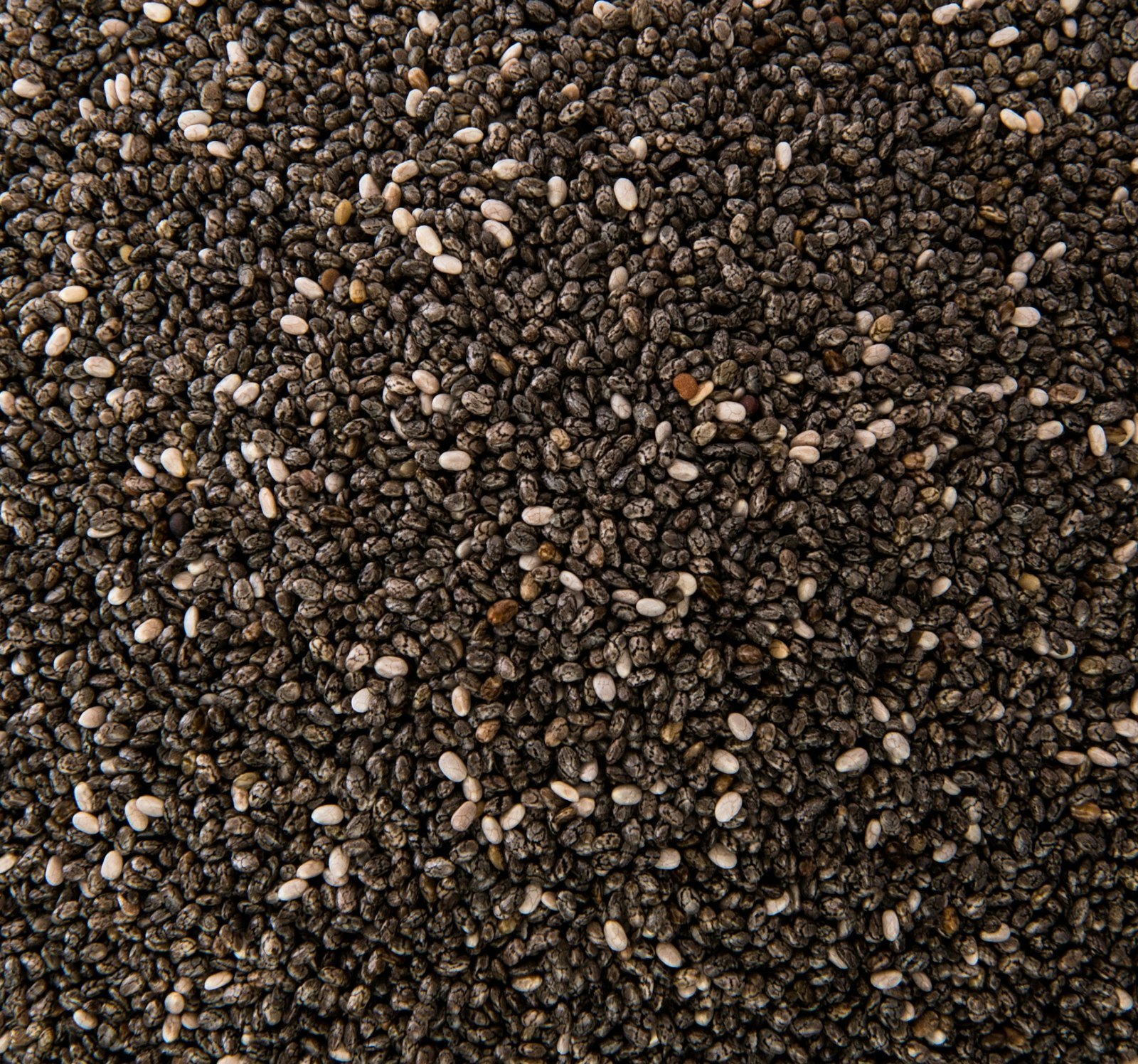
Chia’s reputation rests on an unusual nutrient profile packed into a seed smaller than a sesame seed. According to the USDA’s FoodData Central database, about one ounce (28 grams, a little over 2 tablespoons) of dried chia seeds provides close to 10 grams of fiber, which is roughly a third of what most adults need in a day. The same serving delivers around 5 grams of ALA, the plant form of omega-3 fat, along with protein, magnesium, calcium and polyphenol antioxidants.
The gel that sets chia apart
Drop chia seeds into water and within minutes they swell and form a soft gel. That gel comes from soluble fiber, called mucilage, in the seed’s outer layer. In the gut, this kind of fiber slows digestion, helps blunt sharp rises in blood sugar after meals, and supports a feeling of fullness. It also feeds beneficial gut bacteria, which turn fiber into short-chain fatty acids that help calm inflammation. In other words, chia is a good example of how traditional whole foods work on the body as a system rather than through one isolated “active ingredient.”
What the Research Shows
Blood pressure: a consistent, modest benefit
The most consistent finding across chia studies is a gentle drop in blood pressure. In a 2024 systematic review and meta-analysis published in Nutrition & Metabolism, Karimi and colleagues pooled 10 randomized controlled trials with 424 overweight participants. Compared with control groups, people eating chia had systolic blood pressure (the top number) about 3.3 mmHg lower. Diastolic pressure also trended down, by about 2.7 mmHg, though that result did not quite reach statistical significance.
A separate 2023 meta-analysis by Nikpayam and colleagues in the Journal of Functional Foods, covering 14 randomized trials and 729 participants, also found chia lowered both systolic and diastolic blood pressure. The effect on systolic pressure was clearest when people ate 25 grams or more a day for longer than 10 weeks. That fits a common theme in food research: steady daily habits matter more than occasional large doses.
A few points may not sound like much, but at the population level, small shifts in blood pressure add up. Chia also pairs well with other proven food strategies, such as the potassium-rich salt swap and its seed cousin, flaxseed, which lowered blood pressure in a year-long trial.
Calming inflammation
The 2024 review also found chia lowered C-reactive protein (CRP), a blood marker of low-grade inflammation, by about 1.2 mg/L. Low-grade inflammation is linked to heart disease, diabetes and many of the slow-moving conditions of aging. The studies varied quite a bit in how much CRP changed, so this finding is encouraging rather than settled. Other inflammation markers, such as IL-6 and TNF-alpha, did not change significantly.
The Toronto diabetes trials
Much of the early clinical interest in chia came from Dr. Vladimir Vuksan’s team at St. Michael’s Hospital and the University of Toronto. In a 12-week crossover study published in Diabetes Care in 2007, 20 adults with well-controlled type 2 diabetes ate about 37 grams a day of a white chia variety called Salba, baked into bread or sprinkled on food, while continuing their usual care. Compared with a wheat bran control, the chia period was linked to systolic blood pressure about 6 mmHg lower and a roughly 40% drop in high-sensitivity CRP.
The same team later ran a six-month study in 77 people with type 2 diabetes and excess weight, published in 2017 in Nutrition, Metabolism & Cardiovascular Diseases. Everyone followed a calorie-reduced diet. One group added 30 grams of chia a day, and the other added an oat bran and inulin fiber mix. The chia group lost about four pounds compared with about half a pound in the control group, and their waistlines shrank by about 3.5 centimeters. It is worth knowing that these trials were small and that the seed supplier had links to the research, so larger independent studies would be welcome.
Waist size, weight and cholesterol
Across the 2024 review, chia reduced waist circumference by about 2.8 centimeters, even though body mass index (BMI) did not change much. Waist size is a useful sign of the deep belly fat that is most closely tied to metabolic health.
For cholesterol and triglycerides, the evidence is mixed. The 2023 meta-analysis found small improvements in total cholesterol, LDL cholesterol and triglycerides, but the 2024 review found no meaningful change in blood fats or fasting blood sugar. A fair reading is that chia is not a strong cholesterol food on its own, but it fits naturally into eating patterns that are, such as the fiber-rich approach described in our post on a daily handful of nuts.
The Evidence at a Glance
| Study | Who and how much | Main findings |
|---|---|---|
| Karimi et al., 2024, Nutrition & Metabolism | 10 randomized trials, 424 overweight participants, 10 to 24 weeks | Systolic BP about 3.3 mmHg lower; waist about 2.8 cm smaller; CRP about 1.2 mg/L lower; no clear change in cholesterol or blood sugar |
| Nikpayam et al., 2023, Journal of Functional Foods | 14 randomized trials, 729 participants | Lower systolic and diastolic BP, with the clearest effect at 25 g or more a day for over 10 weeks; small improvements in cholesterol and triglycerides |
| Vuksan et al., 2007, Diabetes Care | 20 adults with type 2 diabetes, about 37 g a day for 12 weeks | Systolic BP about 6 mmHg lower and hs-CRP about 40% lower than with wheat bran |
| Vuksan et al., 2017, Nutr Metab Cardiovasc Dis | 77 adults with type 2 diabetes and excess weight, 30 g a day for 6 months | About 4 lb weight loss vs about 0.5 lb with an oat bran fiber control; waist about 3.5 cm smaller |
How to Add Chia to Your Day
The trials used roughly 25 to 37 grams a day, which works out to about 2 to 3 tablespoons. You do not need to start there. Because chia is so high in fiber, building up slowly helps your gut adjust.
- Start small. Begin with 1 teaspoon to 1 tablespoon a day for the first week, then work up to 2 or 3 tablespoons over a couple of weeks.
- Soak it first. Stir chia into liquid and let it sit for at least 10 to 15 minutes, or overnight. Soaked chia is easier on digestion and safer to swallow.
- Make a simple chia pudding. Mix 3 tablespoons of chia with about 3/4 cup of milk or plant milk, add a little cinnamon or vanilla, and refrigerate overnight. Top with berries, kiwi or chopped nuts in the morning.
- Try agua de chía. In the traditional Mexican style, stir 1 tablespoon of chia into a large glass of water with fresh lime juice and a touch of honey. Let it sit for 10 minutes and stir again before drinking.
- Sprinkle it on moist foods. Add chia to yogurt, oatmeal, soups or smoothies, where it absorbs liquid as you eat.
- Bake with it. Like the Toronto trial participants, you can add ground chia to bread, muffins or pancakes. A “chia egg” (1 tablespoon chia plus 3 tablespoons water, rested 10 minutes) can replace one egg in many recipes.
- Drink enough water. As your fiber intake rises, your body needs more fluid to keep things moving comfortably.
Chia is also an easy way to add one more plant to your weekly total if you are working toward the goal described in eating 30 plants a week, and it helps you reach the daily fiber target linked to lower colorectal cancer risk.
Black or white chia?
Most chia sold in stores is a mix of dark speckled seeds, while some brands sell white seeds. The 2007 and 2017 Toronto trials used a white variety, but both colors have similar nutrition. Choose whichever you can find fresh, and store the seeds in a cool, dark place in a sealed container.
The Bottom Line
Chia is a traditional Aztec food that modern research has treated kindly. Across randomized trials, a few tablespoons a day has been linked to modestly lower blood pressure, a smaller waistline, and lower levels of the inflammation marker CRP, with the most striking results in people with type 2 diabetes. Its effects on cholesterol and blood sugar are less certain, and the best-known trials were small. Still, as a cheap, shelf-stable source of fiber and plant omega-3s that slips easily into breakfast, drinks and baking, chia is one of the simplest superfoods to add to a whole-food way of eating.
Frequently Asked Questions
How much chia should I eat per day?
Most studies used about 25 to 37 grams a day, which is roughly 2 to 3 tablespoons. Start with a teaspoon or two and build up over a couple of weeks so your digestion can adjust to the extra fiber.
Do I need to grind chia seeds?
Unlike flaxseed, whole chia seeds soften when soaked, so grinding is not essential. Some of the trials used ground chia in baked goods, and grinding may make the nutrients a little easier to absorb, so either approach works.
Is chia better than flaxseed?
They are close relatives in nutrition. Both are rich in fiber and ALA omega-3s. Flaxseed has stronger evidence for cholesterol and contains lignans, while chia forms a gel and is easier to use whole. Many people enjoy using both.
Will chia seeds help me lose weight?
Chia is not a weight-loss shortcut. In the six-month Toronto trial, it added a few pounds of extra loss on top of a calorie-reduced diet, and reviews show a modest drop in waist size. Its fiber can help you feel full, which may make healthy eating easier to stick with.
Can chia replace fish for omega-3s?
Chia provides ALA, the plant form of omega-3. The body converts only a small share of ALA into the EPA and DHA found in fish and algae, so chia is a helpful addition but not a full replacement for those sources.
Safety note: Always soak chia or eat it mixed into moist food, and never swallow a spoonful of dry seeds followed by water, since the seeds swell quickly. Anyone with swallowing difficulties or a history of bowel narrowing should take extra care. Because chia may modestly lower blood pressure and blood sugar, people taking medications for those conditions may want to watch their readings as they add it.
Sources
- Karimi M, Pirzad S, Shirsalimi N, et al. Effects of chia seed (Salvia hispanica L.) supplementation on cardiometabolic health in overweight subjects: a systematic review and meta-analysis of RCTs. Nutrition & Metabolism, 2024;21:74.
- Nikpayam O, Jafari A, Safaei E, et al. Effect of chia product supplement on anthropometric measures, blood pressure, glycemic-related parameters, lipid profile and inflammatory indicators: a systematic review and meta-analysis. Journal of Functional Foods, 2023;110:105867. Summary in Pharmacy Times.
- Vuksan V, et al. Salba (Salvia hispanica L.) and cardiovascular risk factors in type 2 diabetes. Diabetes Care, 2007;30:2804-2810. GI News summary | New Hope summary.
- Vuksan V, et al. Salba-chia in overweight and obese adults with type 2 diabetes. Nutrition, Metabolism & Cardiovascular Diseases, 2017. University of Toronto news release.
- U.S. Department of Agriculture. FoodData Central: Seeds, chia seeds, dried.
This article is for educational purposes and is not a substitute for personalized advice from a qualified health practitioner.