






High blood pressure is often called the “silent killer” because it rarely causes symptoms while quietly straining the heart, brain, and kidneys. While lifestyle is the foundation of healthy blood pressure, traditional healers have long turned to plants for help. Two stand out for their research support: hibiscus and garlic.
Hibiscus tea is a traditional drink across Africa, the Middle East, Mexico, and the Caribbean, where it is known as karkadé, agua de jamaica, or sorrel. Garlic has been used as medicine since ancient Egypt, Greece, and China. Modern clinical trials now confirm both can help bring blood pressure down.
Key Takeaways
- In a Tufts University trial, three cups of hibiscus tea daily for six weeks lowered systolic blood pressure by about 7 points, compared with about 1 point for placebo.
- In an Australian trial, aged garlic extract lowered systolic pressure by about 10 points more than placebo in people whose blood pressure remained high.
- Both plants help blood vessels relax and support healthy circulation.
- They work best alongside other natural habits such as a potassium-rich diet, exercise, and stress relief.
Hibiscus: The Crimson Tea
Hibiscus tea is made from the dried calyces (the fleshy outer parts of the flower) of Hibiscus sabdariffa. It has a tart, cranberry-like flavor and a stunning deep red color, thanks to its rich supply of anthocyanins and other plant antioxidants.
What the research shows
In 2010, Dr. Diane McKay and colleagues at the USDA Human Nutrition Research Center on Aging at Tufts University published a randomized, placebo-controlled trial in the Journal of Nutrition. Sixty-five adults with prehypertension or mild hypertension drank either three cups of hibiscus tea or a look-alike placebo drink every day for six weeks.
Plant Medicines in Clinical Trials
| Remedy | Daily amount | Systolic drop |
|---|---|---|
| Hibiscus tea (Tufts, 2010) | 3 cups for 6 weeks | About 7 mmHg (vs. about 1 for placebo) |
| Aged garlic extract (Adelaide, 2010) | Capsules for 12 weeks | About 10 mmHg more than placebo* |
*In participants whose systolic pressure was 140 or higher at the start.
People who started with higher blood pressure saw the biggest improvements. Several smaller studies and pooled analyses have found similar short-term benefits.
How hibiscus works
Researchers believe hibiscus helps in several ways: its anthocyanins appear to gently inhibit the same blood pressure enzyme (ACE) targeted by some medications, it helps blood vessels relax, and it has a mild natural diuretic effect.
How to brew it
Steep about 1 to 2 teaspoons of dried hibiscus (or one tea bag) in a cup of hot water for 5 to 10 minutes. Enjoy it hot or chilled over ice. Add a cinnamon stick, ginger, or a little honey if you like. Aim for two to three cups a day.
Garlic: The Pungent Protector
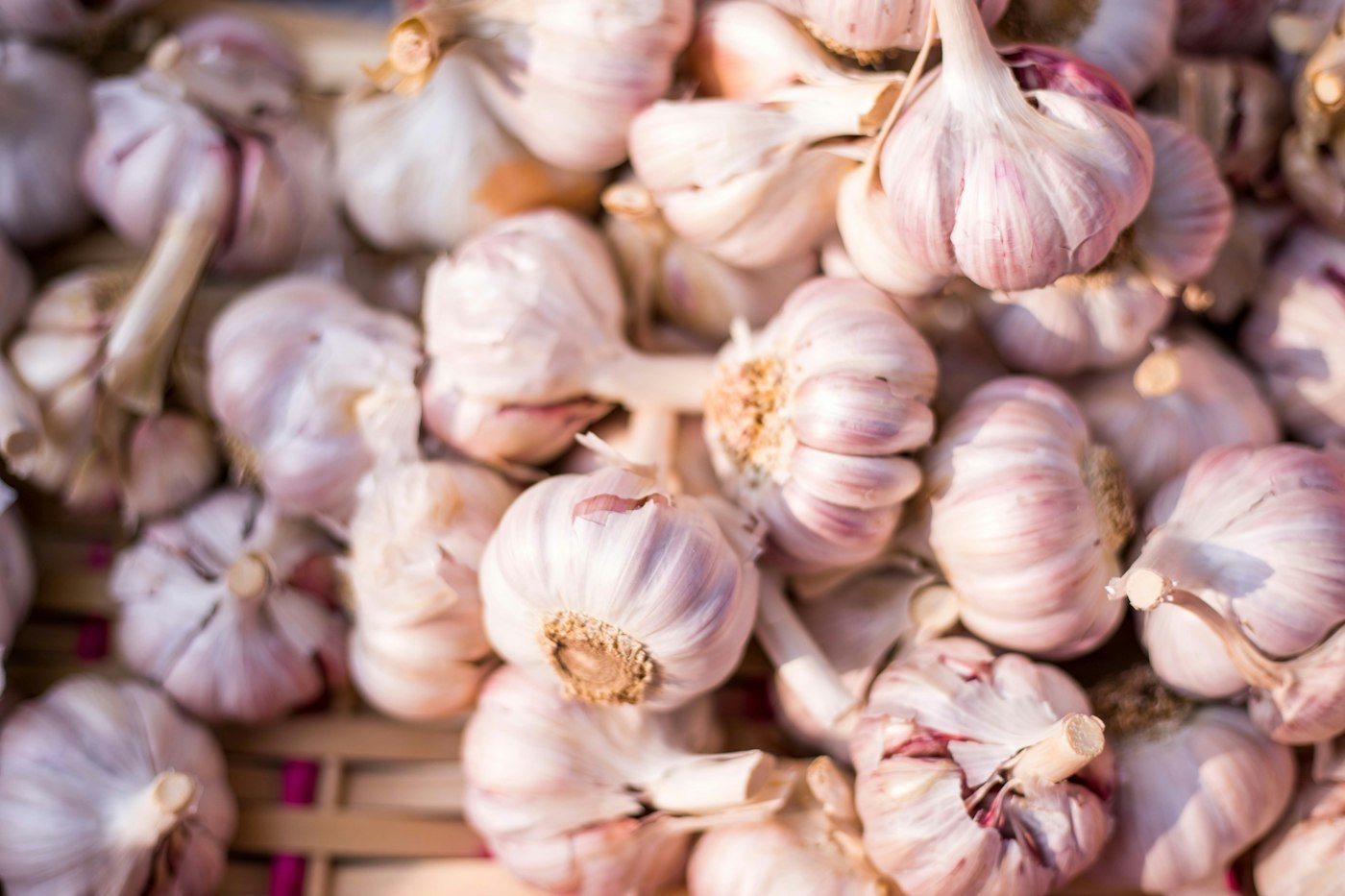
Garlic’s healing power comes from sulfur compounds. When garlic is crushed or aged, these compounds transform into substances that help the body produce hydrogen sulfide and nitric oxide, two natural gases that relax and widen blood vessels.
Dr. Karin Ried at the University of Adelaide in Australia has studied garlic and blood pressure extensively. In a 2010 trial published in Maturitas, people with high blood pressure that remained uncontrolled despite treatment took aged garlic extract or placebo for 12 weeks. Among those who started with systolic pressure of 140 or higher, the garlic group’s pressure was about 10 points lower than the placebo group’s. Her later meta-analyses have found similar effects across many trials.
How to use garlic
- Fresh: Crush one or two cloves and let them rest for 10 minutes before eating or cooking to allow the beneficial compounds to form.
- Aged garlic extract: The form used in many trials, gentler on the stomach and without strong garlic breath.
- In meals: Add generously to dressings, dips, soups, and roasted vegetables.
A Whole-Body Plan for Healthy Blood Pressure
- Eat potassium-rich foods like leafy greens, beans, bananas, and sweet potatoes, and reduce processed salty foods.
- Enjoy beets, rich in natural nitrates. Try our beet juice recipe.
- Try isometric exercise. Wall sits may be the most effective exercise for blood pressure. Read The Wall Sit Workout.
- Get enough magnesium from nuts, seeds, and greens.
- Manage stress with breathing practices, yoga, and time in nature.
- Address insulin resistance, a hidden driver of high blood pressure. See Insulin Resistance and Hypertension.
The Bottom Line
Hibiscus tea and garlic are two time-honored plant medicines with genuine clinical evidence for lowering blood pressure. A few cups of ruby-red tea and a daily dose of garlic, combined with a nourishing diet, regular movement, and stress relief, form a delicious and powerful natural approach to heart health.
Frequently Asked Questions
How quickly will I see results?
In the trials, benefits appeared within six to twelve weeks. Track your readings at home to see how your body responds.
Can I combine hibiscus and garlic?
Yes. They work through different pathways and fit easily into the same daily routine.
Is hibiscus tea safe every day?
For most adults, two to three cups a day is well tolerated. It is naturally caffeine-free.
A note for people on blood pressure medication: Because hibiscus and garlic can lower blood pressure, check your readings regularly if you add them to prescribed treatment, and let your practitioner know so doses can be adjusted if your pressure drops. Garlic supplements may also thin the blood, so mention them before surgery. Avoid hibiscus during pregnancy.
Sources
- McKay DL, Chen CY, Saltzman E, Blumberg JB. Hibiscus sabdariffa L. tea (tisane) lowers blood pressure in prehypertensive and mildly hypertensive adults. Journal of Nutrition, 2010.
- Ried K, Frank OR, Stocks NP. Aged garlic extract lowers blood pressure in patients with treated but uncontrolled hypertension: a randomised controlled trial. Maturitas, 2010.
- USDA Agricultural Research Service. Hibiscus tea and blood pressure.
This article is for educational purposes and is not a substitute for personalized advice from a qualified health practitioner.