









In the 1960s and 1970s, a British surgeon named Denis Burkitt noticed something striking while working in rural East Africa. Colon cancer, common in Britain and the United States, was rare among the villagers he treated. Their diets were built on whole grains, beans, roots, and vegetables, and they ate several times more fiber than people in the West. Burkitt became one of the first doctors to argue that this humble part of food might be protecting the gut.
Half a century later, the research has caught up with his hunch. Large reviews covering millions of people now link higher fiber and whole grain intake with a lower risk of colorectal cancer, one of the most common cancers in the world. The good news is that this is one of the most practical, affordable, and delicious cancer-prevention habits there is.
Key Takeaways
- A major 2019 review in The Lancet found that people eating the most fiber had about a 16% lower risk of colorectal cancer than those eating the least.
- Each additional 10 grams of daily fiber was linked to about a 10% lower colorectal cancer risk in a large BMJ analysis, with cereal fiber and whole grains showing the clearest benefit.
- The World Cancer Research Fund rates whole grains and fiber as “probably” protective against colorectal cancer.
- The sweet spot for overall health appears to be at least 25 to 29 grams of fiber a day, and more may bring added benefit.
- Fiber feeds friendly gut bacteria that produce butyrate, a compound that nourishes the cells lining the colon.
Why Fiber Matters for the Colon
Fiber is the part of plant foods your own body cannot digest. Instead of being absorbed in the small intestine, it travels to the colon, where it becomes food for trillions of resident microbes. This is where the magic happens.
It Feeds Your Protective Microbes
When gut bacteria ferment fiber, they produce short-chain fatty acids. The best known of these, butyrate, is the main fuel for the cells lining the colon. Butyrate helps keep the gut lining strong, calms inflammation, and in laboratory studies it encourages damaged cells to stop dividing. A fiber-poor diet, by contrast, starves these helpful microbes.
It Keeps Things Moving
Fiber adds bulk and softness to stool, so waste passes through the colon more quickly. Many researchers believe this shortens the time that the colon lining is exposed to potentially harmful substances in digested food.
It Comes With a Package of Plant Compounds
Whole grains are much more than fiber. Their bran and germ carry vitamin E, B vitamins, magnesium, selenium, and polyphenols. Traditional food systems understood this intuitively. Ayurveda prizes barley as a light, cleansing grain, and Traditional Chinese Medicine often uses rice and millet congee to nourish digestion. These whole, slow-cooked grains are exactly the kinds of foods modern research now favors.
What the Research Shows
The strongest evidence comes from very large reviews that pool data from many long-term studies.
Fiber, Whole Grains, and Colorectal Cancer: The Evidence at a Glance
| Study | What It Looked At | Key Finding |
|---|---|---|
| Reynolds et al., The Lancet, 2019 | 185 prospective studies and 58 clinical trials, about 135 million person-years | Highest fiber eaters had about 16% lower colorectal cancer risk; each extra 8 g/day linked to about 8% lower risk |
| Aune et al., BMJ, 2011 | 25 prospective studies, about 2 million people | About 10% lower risk per 10 g/day of fiber; about 17% lower risk with three extra daily servings of whole grains |
| World Cancer Research Fund / AICR, 2017 | Global review of diet, activity, and colorectal cancer | Whole grains and fiber rated “probable” protection; processed meat and alcohol raise risk |
| Spencer, McQuade et al., Science, 2021 | Diet questionnaires from 128 people with melanoma receiving immunotherapy | Each extra 5 g of daily fiber linked to about 30% lower risk of progression or death |
Sources: The Lancet 2019;393:434-445; BMJ 2011;343:d6617; WCRF/AICR Continuous Update Project 2017; Science 2021;374:1632-1640. Most of these are observational studies, which show strong links but not proof of cause.
The Lancet Review: Fiber’s Big Picture
In 2019, researchers led by Andrew Reynolds at the University of Otago in New Zealand completed a review commissioned to help guide World Health Organization advice. They found that people eating the most fiber had 15% to 30% lower rates of early death, heart disease, stroke, type 2 diabetes, and colorectal cancer than those eating the least. The best results showed up at 25 to 29 grams a day, and the dose-response curves showed no plateau, suggesting even more fiber may bring more benefit.
The BMJ Analysis: Grains Lead the Way
Teresa Norat, Dagfinn Aune, and colleagues at Imperial College London pooled 25 studies following about 2 million people. Fiber from cereals and whole grains showed the clearest protective link, while fiber from fruits and vegetables alone did not reach significance in this analysis. That doesn’t make produce unimportant; it simply suggests whole grains deserve a regular place on your plate.
A Surprising Bonus During Cancer Treatment
Fiber may matter even after a diagnosis. In a 2021 study published in Science, researchers at MD Anderson Cancer Center found that melanoma patients on immunotherapy who reported eating sufficient fiber lived longer without their cancer progressing than those who ate little fiber. The benefit was strongest in people who were not taking over-the-counter probiotic supplements. This was an early, observational finding, but it fits a growing picture of the gut microbiome as an ally in the body’s defenses. For more on whole-person cancer support, see our guide to integrative oncology and natural therapies in cancer care.
How to Reach 30 Grams of Fiber a Day
Most adults eat well below the recommended amount. The goal isn’t perfection; it’s steady, gradual improvement. Here’s a practical plan.
- Start with breakfast. A bowl of steel-cut or rolled oats with ground flaxseed and berries can deliver 8 to 10 grams before your day begins.
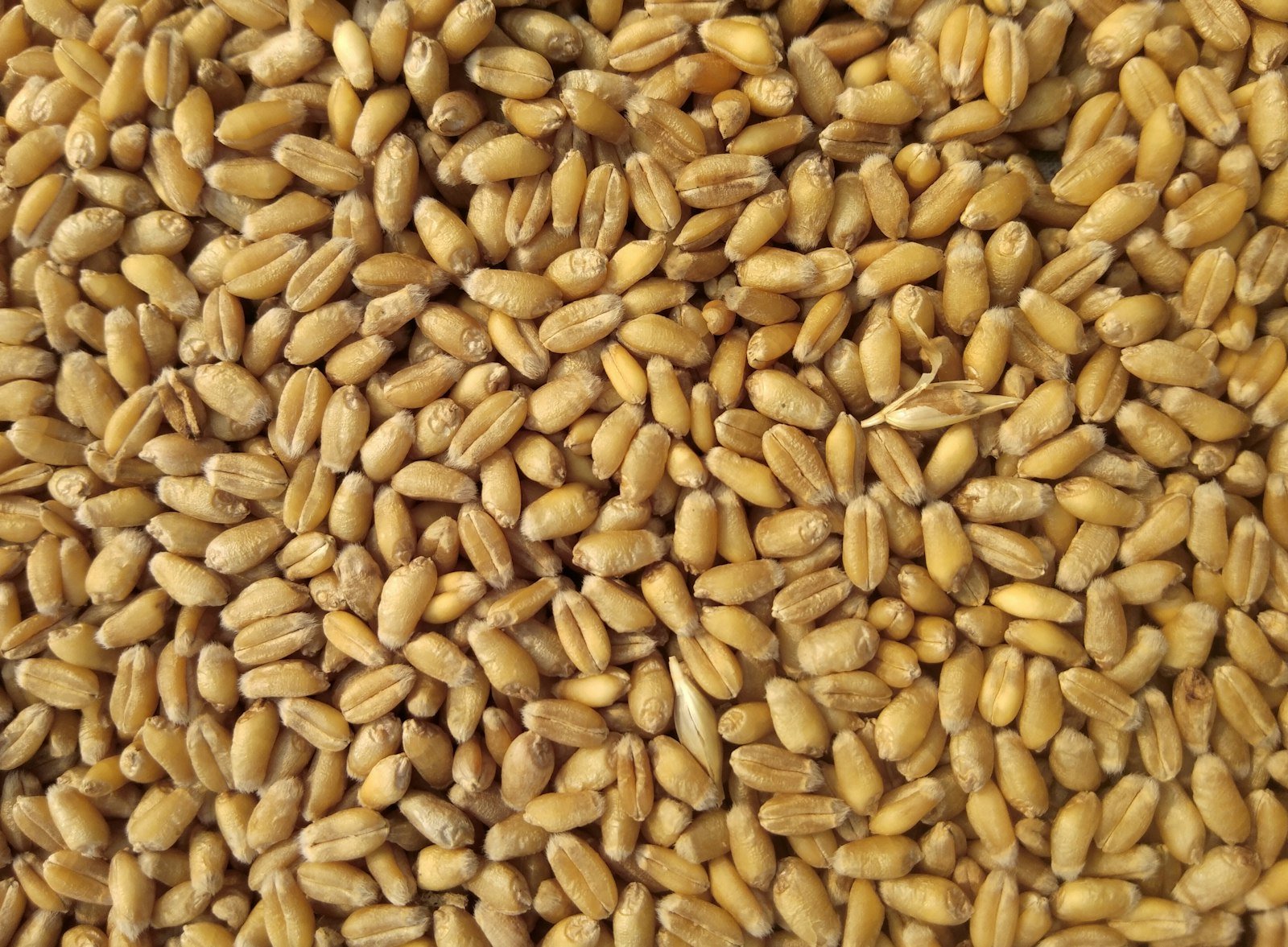
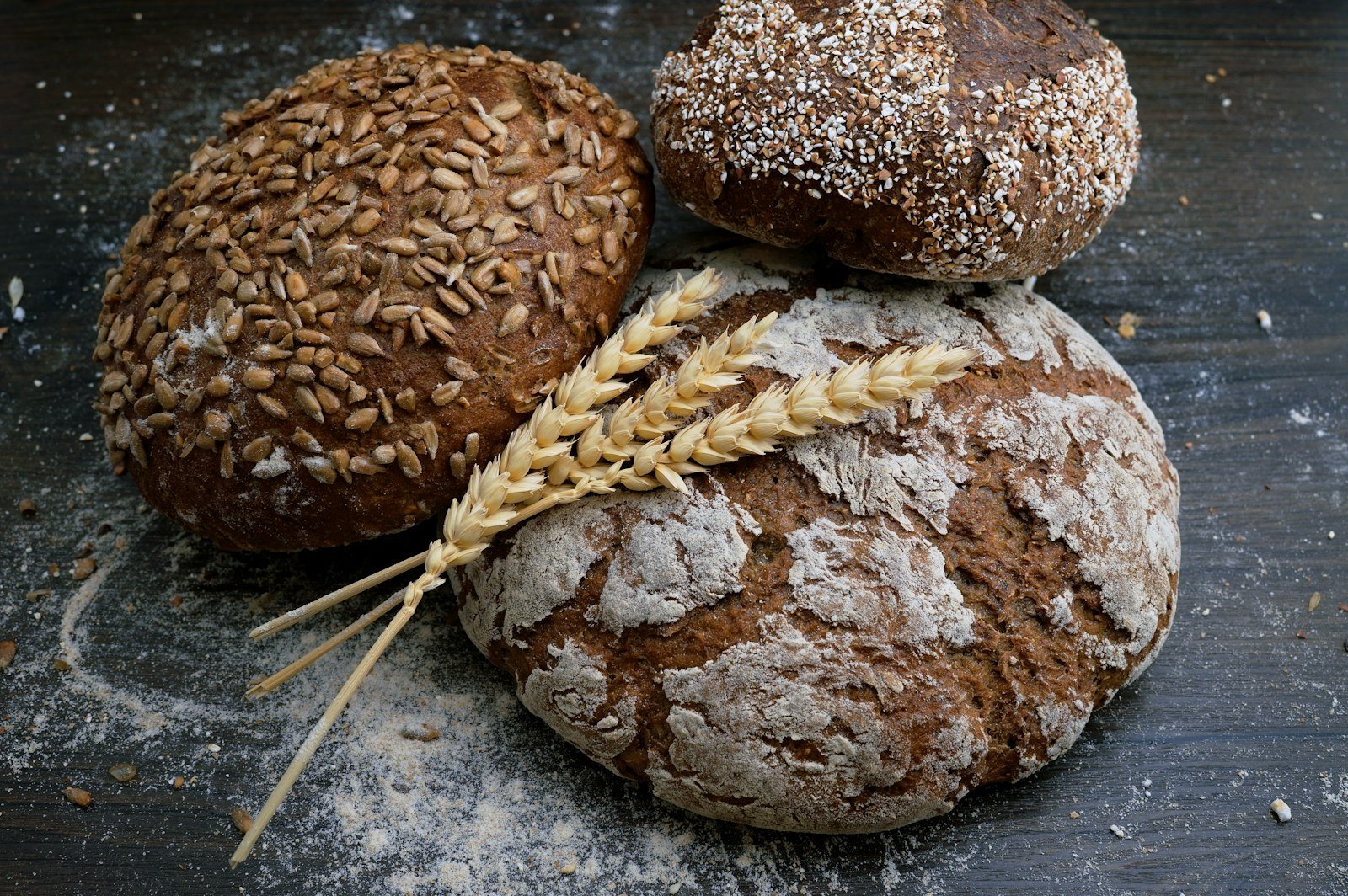
- Swap refined for whole grains. Choose brown rice, barley, farro, millet, quinoa, buckwheat, or 100% whole grain bread. Look for “whole” as the first word in the ingredient list.
- Eat legumes most days. A cup of cooked lentils or black beans provides roughly 15 grams of fiber. Our article on beans, lentils, and chickpeas as a longevity food has plenty of ideas.
- Fill half your plate with vegetables. Fruits and vegetables add different fiber types and protective plant compounds.
- Snack on nuts and seeds. Almonds, pumpkin seeds, and chia add fiber plus healthy fats.
- Add fermented foods. Yogurt, kefir, kimchi, and sauerkraut bring friendly microbes that work alongside fiber. See our piece on fermented foods and inflammation.
- Go slowly and drink water. Increase fiber by about 5 grams a week to let your gut adjust and avoid bloating.
A Sample High-Fiber Day
- Breakfast: Oatmeal with flaxseed, raspberries, and walnuts
- Lunch: Lentil and barley soup with a slice of whole grain bread
- Snack: An apple with a handful of almonds
- Dinner: Brown rice bowl with black beans, roasted sweet potato, broccoli, and avocado
Pair Fiber With the Rest of a Protective Lifestyle
The same global report that praised whole grains also points to other habits that shape colorectal cancer risk. Processed meats such as bacon, ham, and hot dogs carry strong evidence of raising risk, as does regular alcohol. Staying physically active lowers colon cancer risk, and a landmark trial recently showed that structured exercise helped colon cancer survivors live longer, which we covered in Exercise as Cancer Medicine. Cutting back on ultra-processed foods naturally makes room for more fiber, too.
The Bottom Line
Fiber is one of the simplest and best-studied tools for supporting a healthy colon. Decades of research, from Burkitt’s village observations to reviews covering millions of people, point in the same direction: whole grains, beans, vegetables, fruits, nuts, and seeds feed the friendly microbes that help protect your gut. Aim for at least 25 to 30 grams a day, build up gradually, and enjoy the wide variety of traditional dishes that make it easy.
Frequently Asked Questions
Do fiber supplements work as well as whole foods?
Most of the research on colorectal cancer looks at fiber from foods, which also brings vitamins, minerals, and plant compounds. Supplements like psyllium can help with regularity, but whole foods should be your foundation.
Which grains have the most fiber?
Barley, bulgur, oats, rye, and whole wheat are especially rich. Ancient grains like farro and teff are good choices too.
Is fiber helpful during cancer treatment?
Early research suggests a fiber-rich diet may support the gut microbiome during some treatments, but needs vary a lot during therapy. Some treatments call for a temporary low-fiber diet, so follow your care team’s nutrition guidance.
Will more fiber make me bloated?
It can at first. Increase slowly, drink plenty of water, and your gut bacteria will adapt within a few weeks.
A quick note: Fiber is a preventive habit, not a substitute for screening. Colonoscopy and stool-based tests catch problems early, and a change in bowel habits or blood in the stool is always worth getting checked promptly.
Sources
- Reynolds A, Mann J, Cummings J, et al. Carbohydrate quality and human health: a series of systematic reviews and meta-analyses. The Lancet. 2019;393:434-445. PubMed
- Aune D, Chan DSM, Lau R, et al. Dietary fibre, whole grains, and risk of colorectal cancer: systematic review and dose-response meta-analysis of prospective studies. BMJ. 2011;343:d6617. BMJ
- World Cancer Research Fund / American Institute for Cancer Research. Diet, nutrition, physical activity and colorectal cancer (Continuous Update Project), 2017. Report summary (ecancer)
- Spencer CN, McQuade JL, Gopalakrishnan V, et al. Dietary fiber and probiotics influence the gut microbiome and melanoma immunotherapy response. Science. 2021;374:1632-1640. Study summary
- American Institute for Cancer Research. Whole grains: Foods that fight cancer. AICR
This article is for educational purposes and is not a substitute for personalized advice from a qualified health practitioner.