







Salt has shaped human history. Roman soldiers were sometimes paid in it, which is where the word “salary” is thought to come from, and trade routes were built around it. For most of human history, though, salt was precious and used sparingly, while our ancestors ate large amounts of potassium from wild plants, roots, fruits and leaves. Traditional cuisines from the Mediterranean to India to Japan flavored food with herbs, citrus, spices, vinegar and fermented foods as much as with salt.
Modern diets have flipped that balance. Most of us now eat far more sodium than potassium, and that imbalance is one of the strongest dietary drivers of high blood pressure. The encouraging news is that one of the simplest fixes, changing what is in your salt shaker, has been tested in one of the largest nutrition trials ever run.
Key Takeaways
- Too much sodium and too little potassium work together to raise blood pressure.
- In the Salt Substitute and Stroke Study (SSaSS), nearly 21,000 people who switched to a salt made of 75% sodium chloride and 25% potassium chloride had 14% fewer strokes, 13% fewer major heart events and 12% fewer deaths over about five years.
- In January 2025, the World Health Organization recommended potassium-enriched salt substitutes for adults in the general population, with important exceptions.
- The DASH diet, rich in fruits and vegetables, combined with lower sodium cut systolic blood pressure by 11.5 mmHg in people with hypertension.
- Herbs, spices, citrus and potassium-rich whole foods let you cut sodium without losing flavor.
The Sodium-Potassium Seesaw
Sodium and potassium are partners. Sodium pulls water into the bloodstream, increasing the volume your heart has to push through your arteries. Potassium does the opposite: it helps the kidneys flush out extra sodium and helps the walls of blood vessels relax. When sodium is high and potassium is low, blood pressure tends to climb.
That is why cutting salt alone is only half the story. Adding potassium, mainly through whole plant foods, is the other half. A potassium-enriched salt substitute does both at once: every shake delivers less sodium and some extra potassium.
The Research: A Trial in 600 Villages
The Salt Substitute and Stroke Study
SSaSS, led by Professor Bruce Neal of The George Institute for Global Health and published in the New England Journal of Medicine in 2021, is one of the largest nutrition trials ever conducted. Researchers enrolled 20,995 people from 600 rural villages in northern China. Everyone had either had a stroke before or was 60 or older with high blood pressure, a group at very high risk.
Half the villages received a salt substitute made of 75% sodium chloride and 25% potassium chloride to use for all their cooking and food preservation. The other half kept using regular salt. After an average follow-up of 4.74 years, the salt-substitute group had:
- 14% fewer strokes
- 13% fewer major cardiovascular events
- 12% fewer deaths from any cause
- Systolic blood pressure about 3.3 mmHg lower on average
Importantly, there was no significant increase in serious problems from high blood potassium, although people with kidney disease or taking potassium-sparing medications or potassium supplements were not included in the trial.
WHO’s 2025 recommendation
On the strength of SSaSS and other studies, the World Health Organization released a guideline in January 2025 making a conditional recommendation that adults in the general population replace regular table salt with potassium-containing lower-sodium salt substitutes. WHO specifically excluded pregnant women, children, and adults with kidney problems or other conditions that make it hard for the body to clear potassium. It also stressed that the swap works alongside, not instead of, cutting overall sodium to under 2 grams a day.
The DASH-Sodium trial: food and salt together
The most powerful results come when lower sodium is combined with a potassium-rich diet. In the classic DASH-Sodium trial, published in the New England Journal of Medicine in 2001 by Frank Sacks and colleagues, 412 adults ate either a typical American diet or the DASH diet, rich in vegetables, fruits and low-fat dairy, at three different sodium levels. The DASH diet with low sodium lowered systolic blood pressure by 7.1 mmHg in people without hypertension and by 11.5 mmHg in people with hypertension, compared with the typical diet at high sodium.
Salt, Potassium and Blood Pressure: The Evidence
| Study | Who and what | Key result |
|---|---|---|
| SSaSS, Neal et al., NEJM, 2021 | 20,995 high-risk adults in 600 villages; 75/25 sodium-potassium salt for about 5 years | 14% fewer strokes, 13% fewer major heart events, 12% fewer deaths |
| DASH-Sodium, Sacks et al., NEJM, 2001 | 412 adults; DASH vs. typical diet at three sodium levels | Up to 11.5 mmHg lower systolic in people with hypertension |
| WHO guideline, January 2025 | Review of the global evidence | Conditional recommendation to swap regular salt for potassium-enriched substitutes in most adults |
Practical Steps to Rebalance Sodium and Potassium
- Try a potassium-enriched salt. Look for products labeled “lite salt,” “low-sodium salt” or “salt substitute” that list potassium chloride as an ingredient. Many blends taste very close to regular salt. Use it the same way you would ordinary salt, without adding extra.
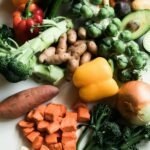
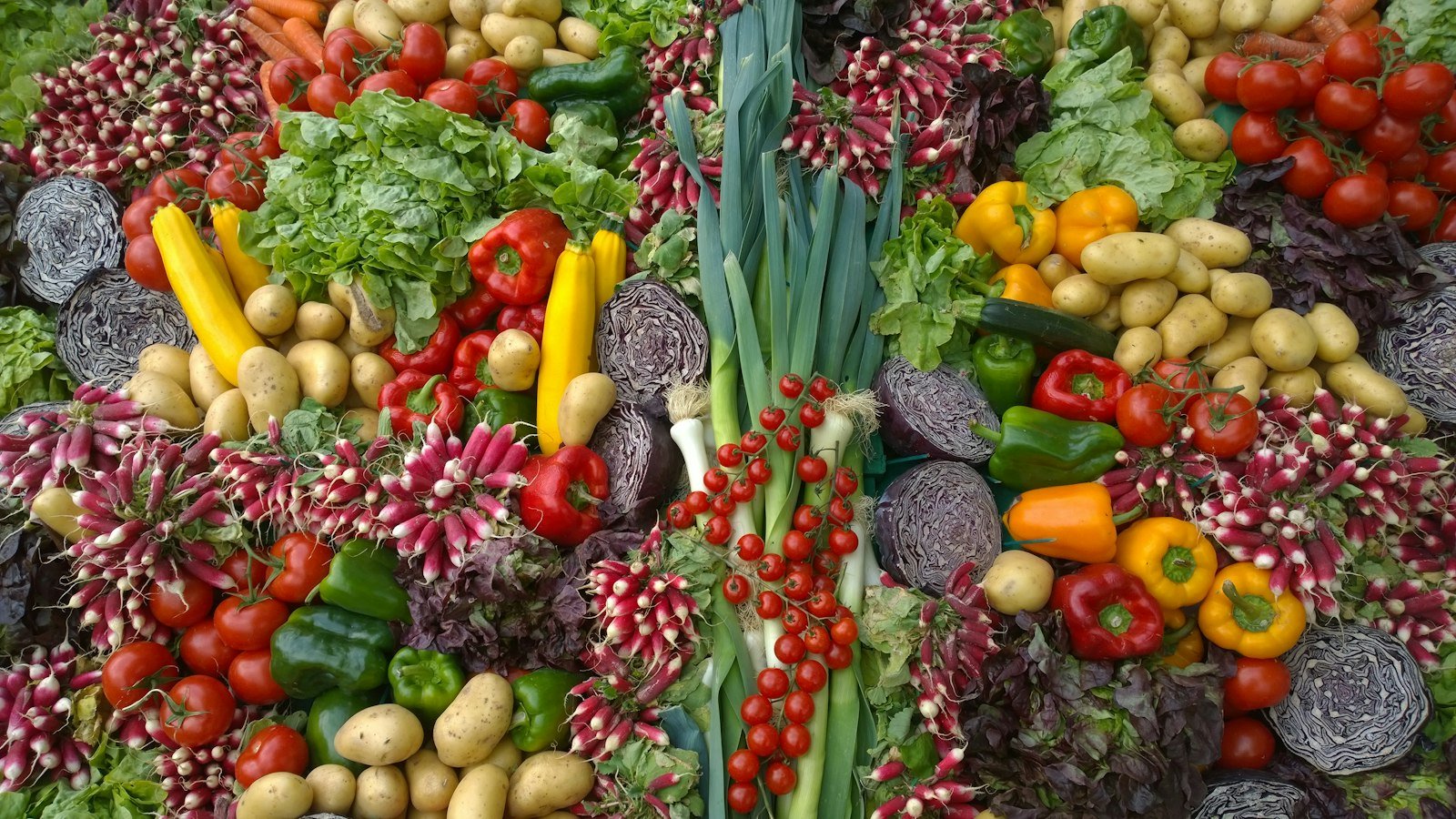
- Load up on potassium-rich foods. Beans and lentils, leafy greens, potatoes and sweet potatoes, squash, tomatoes, bananas, oranges, avocados, yogurt and dried apricots are all excellent sources. Our article on beans, lentils and chickpeas offers easy ways to eat more legumes.
- Cook more at home. Most sodium in modern diets comes from packaged, processed and restaurant foods rather than the salt shaker, and WHO’s recommendation applies only to the salt you add yourself. Home cooking puts you in control.
- Flavor like traditional cooks. Lemon and lime juice, garlic, ginger, black pepper, cumin, turmeric, fresh herbs, vinegar and toasted seeds brighten food so you miss salt less.
- Read labels. Compare sodium on breads, soups, sauces and snacks, and choose lower-sodium versions when you can.
- Give your taste buds time. Your preference for salt adjusts over a few weeks of eating less of it, and food that once tasted bland starts tasting just right.
Build a Complete Natural Blood Pressure Plan
Swapping your salt is one powerful step among several. You can add a daily glass of beetroot juice, sip hibiscus tea and use more garlic, try short isometric exercises like wall sits, and look at the deeper metabolic picture described in our article on insulin resistance and hypertension. Each of these works through a different pathway, so together they add up.
The Bottom Line
Our ancestors ate little salt and plenty of potassium-rich plants. Restoring some of that balance is one of the best-proven natural ways to support healthy blood pressure. A potassium-enriched salt substitute, used in a huge trial across 600 villages, was linked to fewer strokes, fewer heart events and longer lives, and it is now backed by the World Health Organization for most adults. Combined with a plant-rich diet in the spirit of DASH and flavorful traditional seasonings, it is an easy change with a big potential payoff.
Frequently Asked Questions
Do salt substitutes taste different?
Blends that mix sodium chloride with potassium chloride, like the 75/25 mix used in SSaSS, taste very similar to regular salt. Products made entirely of potassium chloride can taste slightly bitter or metallic, especially in large amounts.
Is sea salt or pink Himalayan salt a healthier choice?
These salts are still almost entirely sodium chloride. They contain trace minerals but not enough potassium to change the sodium-potassium balance.
How much sodium should I aim for?
WHO recommends less than 2 grams of sodium a day, which is about 5 grams of salt, or roughly one teaspoon, from all sources combined.
Can I get enough potassium from food alone?
Yes, for most people. A diet with plenty of vegetables, fruits, beans and whole foods supplies generous potassium, along with fiber and magnesium that also support healthy blood pressure.
Safety note: Potassium-enriched salt substitutes are not recommended for people with kidney disease or for anyone taking medicines that raise potassium levels, such as potassium-sparing diuretics, some ACE inhibitors and ARBs, or potassium supplements. WHO also excludes pregnant women and children. If any of these apply to you or someone you cook for, check with your practitioner before making the switch.
Sources
- Neal B, et al. Effect of salt substitution on cardiovascular events and death. New England Journal of Medicine. 2021;385:1067-1077.
- American College of Cardiology. Salt Less, Live Longer: Results of the Salt Substitute and Stroke Study.
- Healio. Switching to salt substitute decreased stroke risk by 14%.
- Medical Dialogues. WHO issues guidelines on low-sodium salt substitutes (January 2025).
- Sacks FM, Svetkey LP, Vollmer WM, et al. Effects on blood pressure of reduced dietary sodium and the Dietary Approaches to Stop Hypertension (DASH) diet. New England Journal of Medicine. 2001;344:3-10.
This article is for educational purposes and is not a substitute for personalized advice from a qualified health practitioner.





