









Long before anyone counted grams on a nutrition label, traditional kitchens around the world built their meals around a satisfying core of protein. In India, a bowl of dal (simmered lentils or split mung beans) anchored the plate, and Ayurvedic cooks prized mung-bean kitchari as a nourishing, easy-to-digest meal. In Japan, tofu, miso, eggs and fish appeared in small portions at nearly every sitting. Across Mexico and Central America, beans and corn were eaten together, and around the Mediterranean, chickpeas, lentils, yogurt and fish kept people full through long working days.
Those cooks may not have known the biology, but modern research suggests they were onto something. When you are trying to lose weight, protein is the nutrient that seems to work hardest for you: it fills you up, it takes more energy to digest, and it helps you hold on to the muscle that keeps your metabolism humming. Here is what the studies actually show, and how to put a little more protein on your plate the natural way.
Key Takeaways
- In a University of Washington study, people who raised protein from 15% to 30% of their calories ate roughly 400 to 500 fewer calories a day on their own, without being told to cut back.
- A 2012 meta-analysis of 24 trials (1,063 adults) found higher-protein weight-loss diets led to slightly more fat loss and helped preserve lean muscle compared with standard-protein diets.
- In the large European DiOGenes trial, a higher-protein diet built on lower-glycemic carbohydrates helped people keep weight off after losing it.
- Experts suggest about 1.2 to 1.6 grams of protein per kilogram of body weight per day during weight loss, with roughly 25 to 30 grams at each meal.
- Beans, lentils, tofu, eggs, fish, yogurt, nuts and seeds can all help you get there; you do not need powders or a meat-heavy diet.
Why Protein Matters So Much When You Are Losing Weight
Every food you eat sends signals to your brain about how full you are, but protein seems to send the strongest ones. Researchers believe this works through several overlapping pathways in the body.
1. It keeps hunger quieter
Protein influences gut hormones that tell your brain you have eaten enough, and it tends to slow how quickly your stomach empties. Many people notice that a breakfast of eggs and vegetables, or a bowl of lentil soup, carries them further into the day than toast or cereal alone.
2. Your body burns more energy digesting it
Breaking down and using protein costs your body more energy than processing carbohydrates or fats. This “thermic effect” is not a magic fat burner, but over weeks and months it adds a small, steady advantage.
3. It helps protect your muscle
This may be the most important point. When you eat fewer calories, your body can break down muscle along with fat. Losing muscle is a problem because muscle helps regulate blood sugar, supports strength and balance as you age, and accounts for a meaningful share of the calories you burn at rest. Eating enough protein, especially paired with some form of strength training, helps your body hold on to that muscle while the fat comes off.
What the Research Shows
The study where people ate less without trying
In a study published in the American Journal of Clinical Nutrition in 2005, a team led by Dr. David Weigle at the University of Washington School of Medicine put 19 volunteers through three diet phases. First they ate a typical diet with 15% of calories from protein. Next, they ate the same number of calories but with protein doubled to 30% (and fat lowered). Finally, for 12 weeks, they kept eating the higher-protein diet but were allowed to eat as much as they wanted.
Something interesting happened. Left to their own appetites, the volunteers ate roughly 400 to 500 fewer calories a day than before. Over the 12 weeks they lost about 4.4 to 5.4 kilograms (around 10 to 12 pounds), and most of that was fat. The study was small, but it showed clearly how protein can turn down appetite without willpower doing all the work.
Two dozen trials point the same way
One small study is a starting point, not proof. So in 2012, Australian researchers led by Thomas Wycherley pooled the results of 24 randomized trials involving 1,063 adults, all following reduced-calorie diets for an average of about 12 weeks. Compared with standard-protein diets, the higher-protein versions produced modestly better results: a little more weight lost, a little more fat lost, lower triglycerides, and better preservation of lean (fat-free) mass. Resting energy expenditure, the calories you burn just staying alive, also dropped less on the higher-protein diets.
Keeping the weight off
Losing weight is one challenge; keeping it off is often a bigger one. The European DiOGenes (Diet, Obesity, and Genes) trial, published in the New England Journal of Medicine in 2010, tackled this directly. Across eight European research centres, 938 overweight adults first followed a low-calorie diet for eight weeks and lost an average of 11 kilograms. Those who finished were then assigned to one of five diets for six months, varying in protein (about 13% versus 25% of calories) and in glycemic index, a measure of how quickly carbohydrates raise blood sugar.
The higher-protein groups regained less weight than the lower-protein groups, and the low-glycemic groups regained less than the high-glycemic groups. The combination of more protein and slower carbohydrates, such as beans, whole grains and vegetables, looked especially helpful, and people on that diet were also more likely to stick with it.
The Evidence at a Glance
| Study | Who and how | What they found |
|---|---|---|
| Weigle et al., Am J Clin Nutr, 2005 | 19 adults; protein raised from 15% to 30% of calories, then 12 weeks of eating freely | Ate roughly 400 to 500 fewer calories a day on their own; lost about 4.4 to 5.4 kg, mostly fat |
| Wycherley et al., Am J Clin Nutr, 2012 | Meta-analysis of 24 trials, 1,063 adults on reduced-calorie diets (about 12 weeks) | Higher protein: slightly more weight and fat lost, better muscle preservation, smaller drop in resting metabolism |
| DiOGenes, Larsen et al., NEJM, 2010 | 938 adults in eight European centres; six-month weight-maintenance diets after initial weight loss | Higher-protein and low-glycemic diets each meant less weight regain; fewer people dropped out |
| Leidy et al., Am J Clin Nutr, 2015 | Expert review of protein and weight management | Suggests about 1.2 to 1.6 g protein per kg body weight daily, with about 25 to 30 g per meal |
How Much Protein Do You Need?
The standard recommended dietary allowance is 0.8 grams of protein per kilogram of body weight per day, which is designed to prevent deficiency, not to optimize weight loss. In a 2015 review in the American Journal of Clinical Nutrition, a group of researchers led by Heather Leidy concluded that intakes of roughly 1.2 to 1.6 grams per kilogram per day appear to offer the best support for appetite control, fat loss and muscle preservation. They also highlighted the value of spreading protein out, with about 25 to 30 grams at each meal, rather than eating most of it at dinner.
To put that in everyday terms: a person weighing 75 kilograms (about 165 pounds) would aim for roughly 90 to 120 grams of protein a day, or about 30 grams at each of three meals plus a small protein-rich snack.
Natural, Traditional Protein Sources to Lean On
You do not need to rely on protein shakes or eat steak at every meal. Many of the world’s healthiest traditional diets get their protein from a mix of plant and animal foods. Here are some approximate amounts to help you plan:
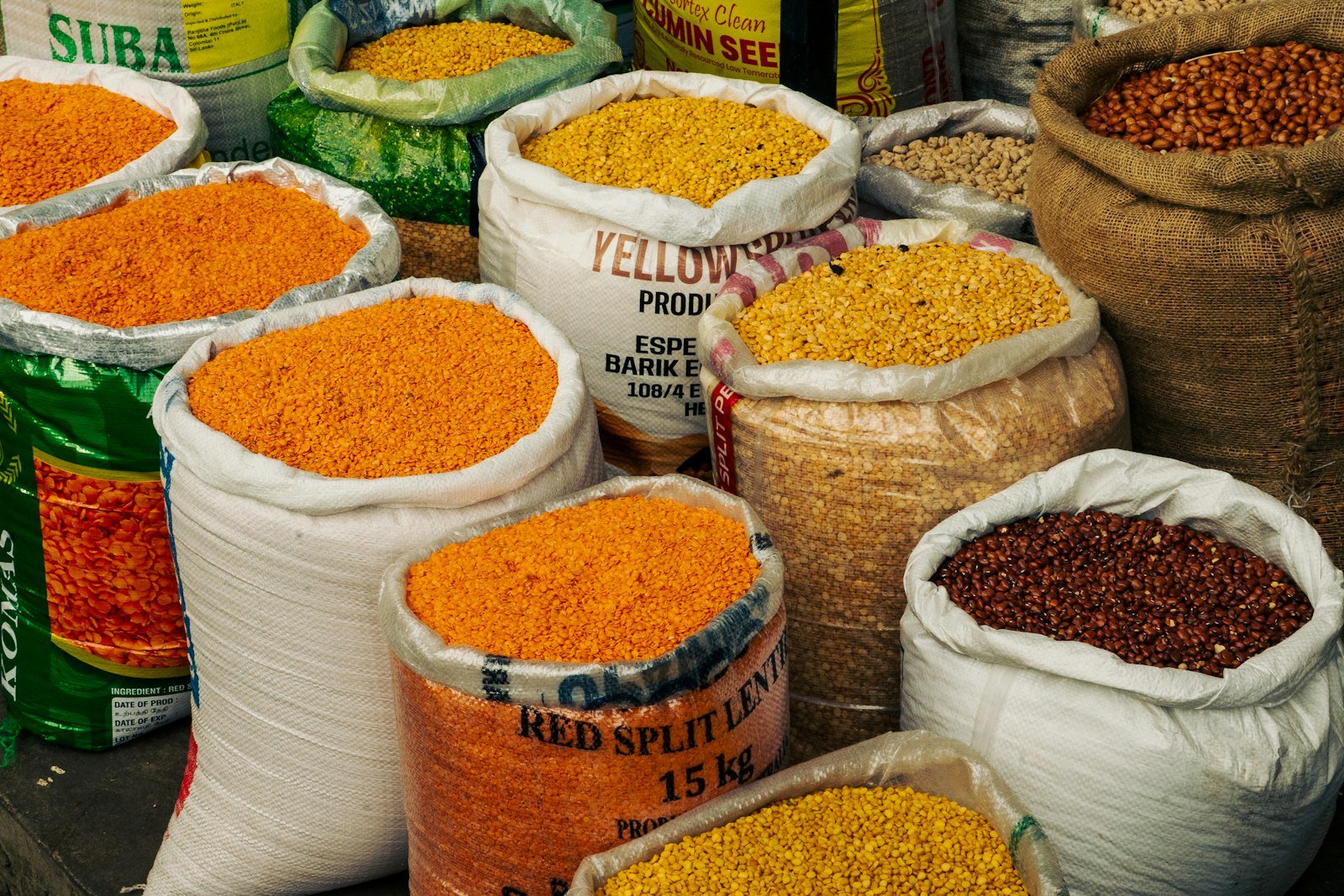
- Lentils, cooked (1 cup): about 18 g. The backbone of Indian dal and Middle Eastern soups.
- Chickpeas or black beans, cooked (1 cup): about 14 to 15 g, plus plenty of fiber.
- Firm tofu (half a cup): around 20 g. A staple of Japanese and Chinese home cooking.
- Eggs (2 large): about 12 to 13 g.
- Plain Greek yogurt (1 cup): roughly 20 g or more, depending on the brand.
- Salmon, sardines or other fish (3.5 oz / 100 g cooked): about 20 to 25 g, along with omega-3 fats.
- Hemp seeds (3 tablespoons): about 9 to 10 g. Pumpkin seeds and almonds add smaller but useful amounts.
Legumes deserve special mention. They pair protein with fiber and slow-digesting carbohydrates, which is exactly the “high protein, low glycemic” combination that performed well in the DiOGenes trial. If you want to go deeper, our guide to beans, lentils and chickpeas as a longevity food explores their long history in traditional diets, and our article on building muscle with plant protein shows that plant sources can support strength just as well when you eat enough.
How to Add More Protein: A Simple 6-Step Plan
- Find your target. Multiply your weight in kilograms by 1.2 (or your weight in pounds by about 0.55) for a reasonable starting goal. Divide by three to get a per-meal target.
- Rebuild breakfast first. Breakfast is often the lowest-protein meal of the day. Swap a plain bagel for eggs with sautéed greens, Greek yogurt with seeds and berries, a tofu scramble, or a savory bowl of mung-bean kitchari.
- Anchor every plate. Start each meal by choosing your protein, then add vegetables and a slow carbohydrate like whole grains or sweet potato. Our fat-loss plate tutorial walks you through this step by step.
- Eat your protein mindfully. Slowing down lets protein’s fullness signals catch up with you. Our article on mindful eating for natural weight loss offers easy ways to practice.
- Choose protein-rich snacks. A handful of roasted chickpeas, a boiled egg, a small bowl of edamame, or yogurt with nuts will tide you over better than crackers or sweets.
- Pair it with movement. Protein protects muscle best when you give your muscles a reason to stay. Even short sessions of bodyweight squats, push-ups or resistance bands two or three times a week help. See our guide to strength training in 30 to 60 minutes a week.
A Few Things to Keep in Mind
More protein is helpful, but it is not a reason to abandon vegetables, fruits and whole grains. The benefits in the research came from balanced diets with a higher share of protein, not from extreme, all-meat plans. Quality matters too: favoring legumes, fish, eggs, yogurt, nuts and seeds over heavily processed meats keeps your diet in line with the traditional eating patterns that have the strongest long-term health records.
The Bottom Line
Protein is one of the simplest, most natural tools for supporting weight loss. Research shows that eating a bit more of it can quiet hunger, help you shed fat while keeping muscle, and make it easier to maintain your results over time. You do not need special products to benefit. A bowl of dal, a tofu stir-fry, a plate of eggs and greens, or a piece of grilled fish with beans can carry you toward your goal the same way they have nourished traditional cultures for generations. Aim for about 25 to 30 grams at each meal, favor whole-food sources, and pair your protein with movement for the best results.
Frequently Asked Questions
Can I get enough protein for weight loss on a vegetarian or vegan diet?
Yes. Lentils, beans, chickpeas, tofu, tempeh, edamame, seeds and whole grains can add up to plenty of protein. Combining a variety of plant proteins throughout the day helps you get a full range of amino acids, and some people find a slightly larger total intake helpful.
Is a high-protein diet the same as a low-carb or keto diet?
No. In the studies above, carbohydrates were not eliminated. In the Weigle study, carbohydrate stayed at about half of calories, and the DiOGenes results favored slow, low-glycemic carbohydrates rather than cutting them out.
Do I need protein powder?
Not usually. Whole foods provide protein along with fiber, vitamins, minerals and other plant compounds. A powder can be a convenient backup on busy days, but it is optional.
Is it bad to eat most of my protein at dinner?
It is not harmful, but researchers suggest spreading protein across meals, with about 25 to 30 grams at each, may better support fullness and muscle maintenance than eating most of it in one sitting.
Safety note: If you have chronic kidney disease or have been advised to limit protein for any reason, check with your health practitioner before increasing your protein intake.
Sources
- Weigle DS, et al. A high-protein diet induces sustained reductions in appetite, ad libitum caloric intake, and body weight despite compensatory changes in diurnal plasma leptin and ghrelin concentrations. American Journal of Clinical Nutrition, 2005. PubMed
- Wycherley TP, Moran LJ, Clifton PM, Noakes M, Brinkworth GD. Effects of energy-restricted high-protein, low-fat compared with standard-protein, low-fat diets: a meta-analysis of randomized controlled trials. American Journal of Clinical Nutrition, 2012;96(6):1281-1298. PubMed
- Larsen TM, et al. Diets with high or low protein content and glycemic index for weight-loss maintenance (DiOGenes). New England Journal of Medicine, 2010. Study summary (EurekAlert)
- Leidy HJ, Clifton PM, Astrup A, et al. The role of protein in weight loss and maintenance. American Journal of Clinical Nutrition, 2015;101(Suppl):1320S-1329S. PubMed
- NutraIngredients. Could protein be the key to weight loss? (coverage of the University of Washington study), 2005. Article
This article is for educational purposes and is not a substitute for personalized advice from a qualified health practitioner.





